In the intricate world of industrial automation and robotics, the ability to detect the presence, absence, or position of an object without physical contact is paramount. Among the diverse array of non-contact sensing technologies, pneumatic proximity sensors stand out for their unique operating principles and robust advantages in challenging environments. Unlike their electronic counterparts, these sensors utilize air pressure and flow to perform detection, offering a compelling alternative where electricity, heat, or contaminants pose significant risks.
The fundamental principle behind a pneumatic proximity sensor is based on changes in air pressure or flow rate. The core component is a precision air nozzle that emits a constant, low-pressure stream of air. When an object approaches the sensing face, it obstructs this airflow. This obstruction causes a backpressure to build up within the sensor's internal circuit. A sensitive diaphragm or pressure switch within the sensor detects this minute pressure change. Once the backpressure reaches a pre-set threshold, it triggers an output signal. This signal is typically a pneumatic pilot signal that can directly actuate other pneumatic valves or, through a transducer, be converted into an electrical signal for integration with PLCs (Programmable Logic Controllers). The sensing distance is determined by the nozzle design, air pressure, and the set threshold, typically ranging from a few millimeters up to about 20 mm.
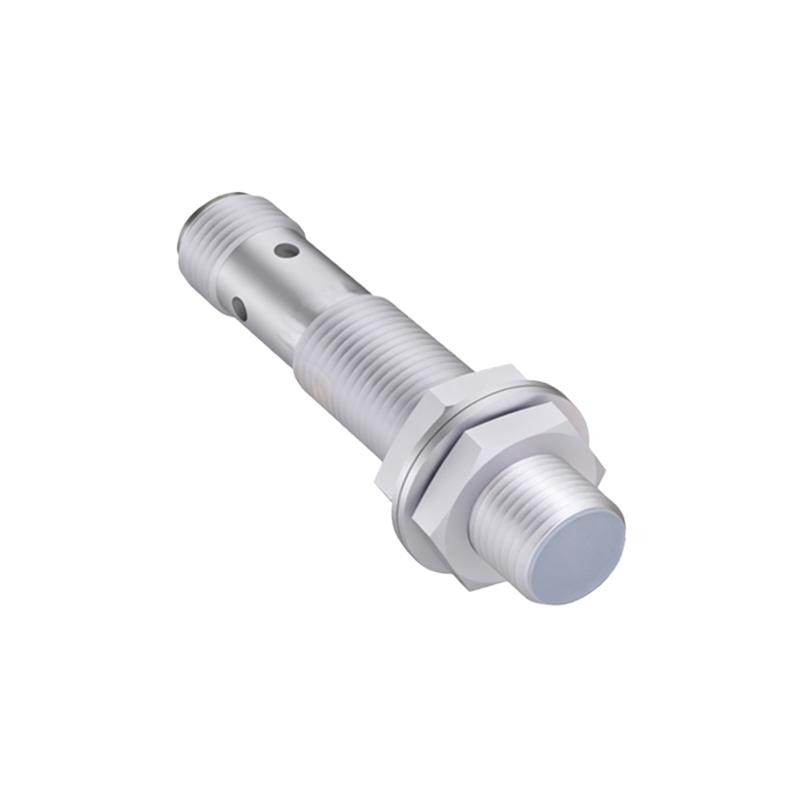
The advantages of choosing pneumatic proximity sensors are significant in specific applications. First and foremost is their intrinsic safety. Because they operate purely on compressed air, they generate no electrical spark, making them the ideal choice for hazardous locations with flammable gases, vapors, or combustible dust—environments classified as ATEX or IECEx zones. Secondly, they are exceptionally resilient to environmental interference. They are unaffected by strong electromagnetic fields (EMI/RFI), welding sparks, or extreme temperatures that would cripple electronic sensors. Their simple construction, often with no moving parts in the sensing head, translates to high durability, resistance to vibration, and minimal maintenance. Furthermore, they are inherently self-cleaning; the constant airflow helps prevent the accumulation of dust, chips, coolants, and other contaminants on the sensing surface.
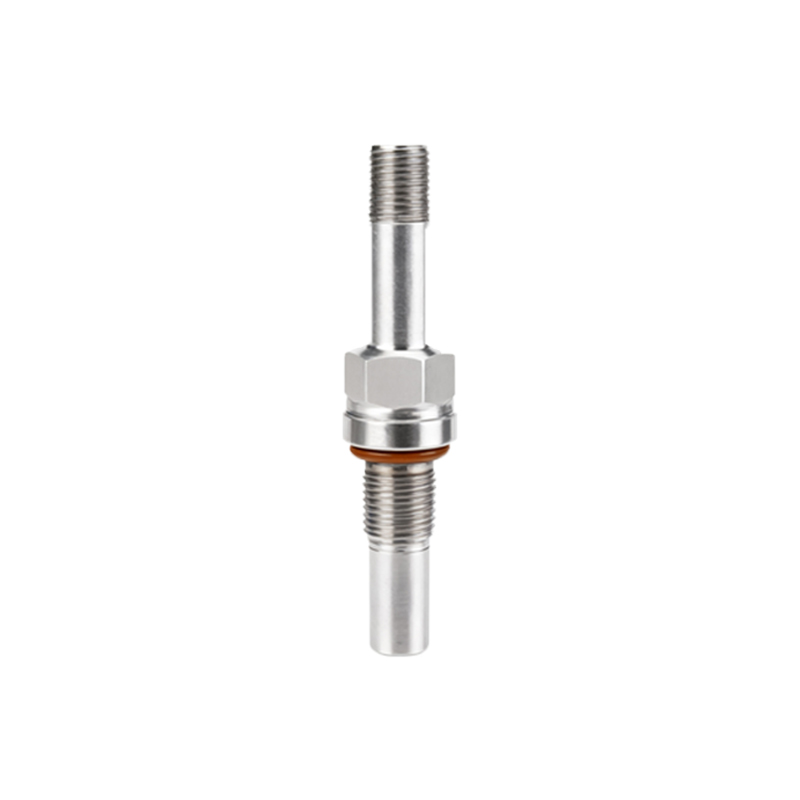
These characteristics dictate their prime applications across industries. They are ubiquitous in metalworking and machining centers for detecting the presence of metal parts, tools, or clamps amidst coolant mist and metallic debris. In the automotive sector, they are employed in painting and coating booths where explosive atmospheres exist. Woodworking and packaging machinery benefit from their immunity to sawdust and paper dust. They are also crucial in food and pharmaceutical processing where washdown with high-pressure, corrosive chemicals is routine, as many pneumatic sensors are constructed from stainless steel and are fully sealed.
Selecting the right pneumatic proximity sensor requires careful consideration of several parameters. The sensing distance must be appropriate for the application to avoid false triggers or missed detections. The operating pressure range must be compatible with the plant's compressed air supply, typically between 1.5 and 8 bar. Output type is critical: a discrete pneumatic output (e.g., a 3/2 way valve signal) for direct pneumatic control, or an electronic output (PNP/NPN) via an integrated converter for connection to a controller. Material and housing should be chosen based on the environment—stainless steel for corrosive settings, brass for general use. Response time, though generally slower than electronic sensors, must be fast enough for the process cycle. Finally, the port size (e.g., M5, 1/8" NPT) must match the existing pneumatic fittings.
Installation and maintenance are straightforward but vital for optimal performance. The sensor should be mounted securely to minimize vibration. The sensing face must be kept clear of obstructions, and the air supply must be clean and dry; using a filter-regulator-lubricator (FRL) unit is highly recommended to prevent clogging of the fine nozzle orifice. Periodic checks should involve verifying the sensing distance and ensuring the air supply pressure remains stable.
In conclusion, pneumatic proximity sensors are not a legacy technology but a specialized and vital solution for modern industry. Their unique blend of safety, ruggedness, and simplicity ensures they remain the sensor of choice for the most demanding and hostile industrial environments. When the application involves dirt, sparks, explosions, or extreme conditions, the reliable flow of air from a pneumatic sensor often provides the most robust and fail-safe detection solution available.