In the intricate world of industrial automation, the reliability and precision of sensing technology are paramount. Among the various components, proximity switch sensors stand out for their non-contact detection capabilities, crucial for tasks ranging from object positioning to speed monitoring. The concept of "self-operation" or managing these sensors in-house has gained significant traction among businesses seeking greater control, cost efficiency, and tailored solutions. This guide delves into the essentials of proximity sensor self-operation, outlining its benefits, implementation strategies, and key considerations.
Proximity sensors function by emitting an electromagnetic field or a beam of electromagnetic radiation and looking for changes in the field or return signal. The primary types include inductive, capacitive, and photoelectric sensors, each suited for different materials and environments. Inductive sensors, for instance, detect metallic objects, while capacitive sensors can handle both metallic and non-metallic materials. Opting for self-operation means a company takes direct responsibility for the selection, integration, maintenance, and procurement of these sensors, bypassing reliance on third-party system integrators for day-to-day management.
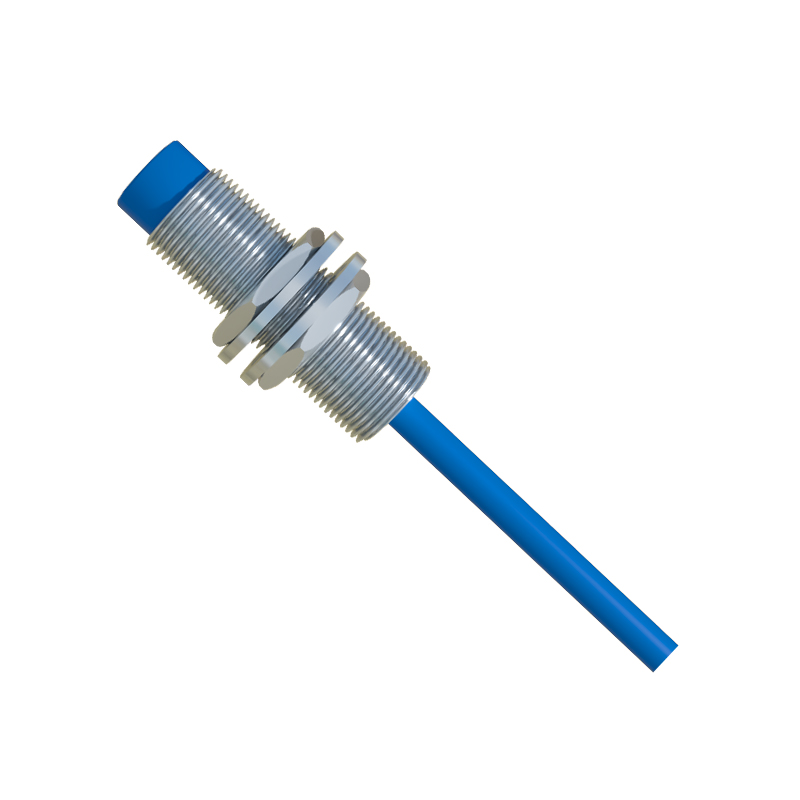
The advantages of embracing a self-operated model are compelling. First and foremost is cost reduction. By eliminating middlemen and long-term service contracts, companies can achieve substantial savings on both initial procurement and ongoing operational expenses. Direct sourcing from manufacturers or authorized distributors often leads to better pricing and volume discounts. Secondly, self-operation grants unparalleled flexibility and speed. In-house teams can quickly adapt sensor configurations, troubleshoot issues, and implement upgrades without waiting for external vendor schedules, minimizing production downtime. This agility is critical in dynamic manufacturing environments where line changes are frequent.
Furthermore, self-operation fosters deeper internal expertise. Engineers and technicians develop a hands-on understanding of the sensor's behavior within their specific application context. This knowledge is invaluable for optimizing performance, performing predictive maintenance, and innovating processes. It also enhances supply chain resilience; companies are not locked into a single vendor's ecosystem and can diversify their supplier base to mitigate risks.
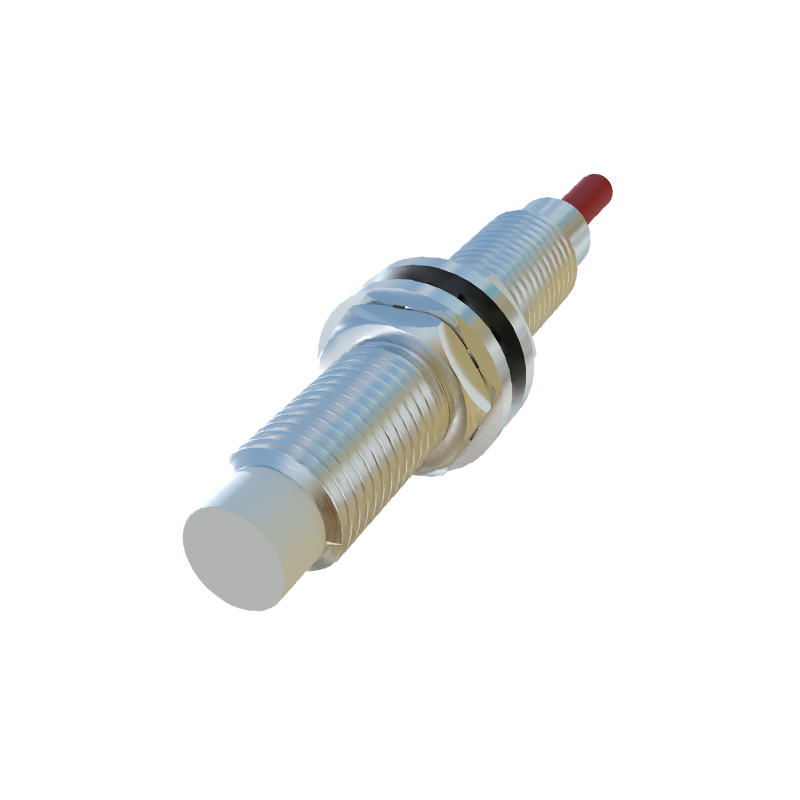
Successful implementation of a self-operated proximity sensor strategy requires a structured approach. The journey begins with a thorough needs assessment. Analyze the application requirements: What type of materials need detection? What are the required sensing distance, response time, and environmental conditions (temperature, humidity, presence of contaminants)? Selecting the correct sensor type is the foundational step. Following selection, a focus on integration is key. This involves proper mechanical mounting, correct electrical wiring (sourcing vs. sinking), and interface with Programmable Logic Controllers (PLCs) or other control systems. Developing standard operating procedures (SOPs) for installation and calibration ensures consistency and quality.
Training the workforce is non-negotiable. Technicians must be proficient in installation, basic troubleshooting, and interpretation of sensor diagnostics. Many modern sensors come with LED indicators and diagnostic functions that simplify maintenance. Establishing a reliable procurement channel is equally important. Building relationships with reputable sensor manufacturers or distributors ensures access to genuine parts, technical documentation, and support when needed. Maintaining an organized inventory of critical spares prevents extended stoppages.
However, self-operation is not without its challenges. It demands an upfront investment in training and possibly in diagnostic tools. The responsibility for performance and troubleshooting rests entirely with the internal team. Therefore, a clear evaluation is necessary. For companies with complex, multi-vendor automation systems or those lacking technical personnel, a hybrid model—self-operating standard sensors while outsourcing highly specialized integrations—might be optimal.
In conclusion, self-operating proximity switch sensors represents a strategic move towards greater operational autonomy and efficiency. It empowers organizations to tailor sensing solutions directly to their production needs, reduce long-term costs, and build valuable internal competency. While it requires careful planning, investment in knowledge, and robust processes, the payoff in enhanced control and agility can provide a significant competitive edge in today's fast-paced industrial landscape. By mastering the intricacies of these vital components in-house, companies can ensure their automated systems run smoother, smarter, and more independently.