Selecting the right proximity sensor for your application is a critical decision that impacts efficiency, safety, and cost. With various technologies available, the choice can seem overwhelming. This guide breaks down the key factors to consider, helping you make an informed decision based on your specific needs.
The first and most crucial step is to define the application requirements clearly. What object needs to be detected? Is it metallic, non-metallic, liquid, or transparent? Different sensor technologies excel at detecting different materials. For instance, inductive sensors are ideal for detecting metals, while capacitive sensors can detect a wider range of materials, including plastics, wood, and liquids. Photoelectric sensors, using light beams, are excellent for long-range detection and can sense virtually any object that interrupts the light path. Understanding the target material narrows down the technology options significantly.
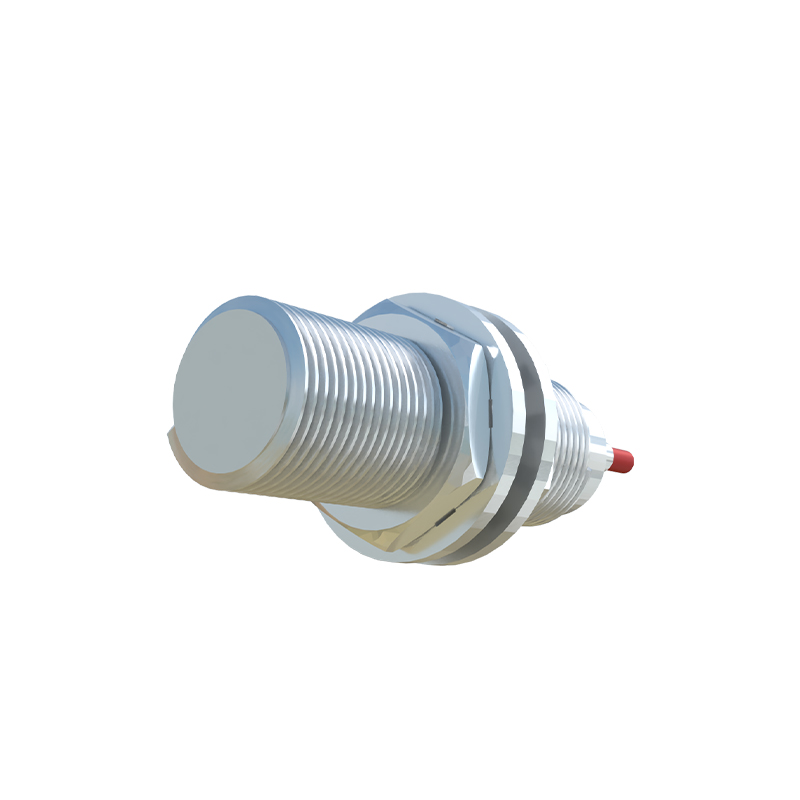
Next, consider the sensing range, often called the nominal sensing distance. This is the maximum distance at which the sensor can reliably detect the target object. It's essential to choose a sensor with a range that exceeds your actual required distance by 10-20% to account for environmental factors and manufacturing tolerances. Operating too close to the sensor's maximum limit can lead to unreliable performance. Also, factor in the size and shape of the target; a smaller object may require a shorter nominal range or a sensor with a focused sensing field.
The operating environment presents another set of challenges. Will the sensor be exposed to extreme temperatures, moisture, dust, oils, or chemicals? Industrial environments often require sensors with robust housings and high Ingress Protection (IP) ratings. For example, an IP67 rating indicates the sensor is dust-tight and can withstand temporary immersion in water. Vibration, electrical noise from motors or welders, and ambient light (for photoelectric sensors) can also interfere with performance. Choosing a sensor designed to withstand these conditions is vital for long-term reliability.
Output type and electrical characteristics must match your control system. The two primary output types are digital (discrete) and analog. Digital outputs, like NPN (sinking) or PNP (sourcing) transistors, provide a simple on/off signal and are common in programmable logic controller (PLC) applications. Analog outputs (e.g., 4-20mA, 0-10V) provide a continuous signal proportional to the distance to the target, useful for measuring position or thickness. Ensure the sensor's voltage supply (e.g., 10-30V DC, 90-250V AC) and current consumption are compatible with your power source and circuitry.
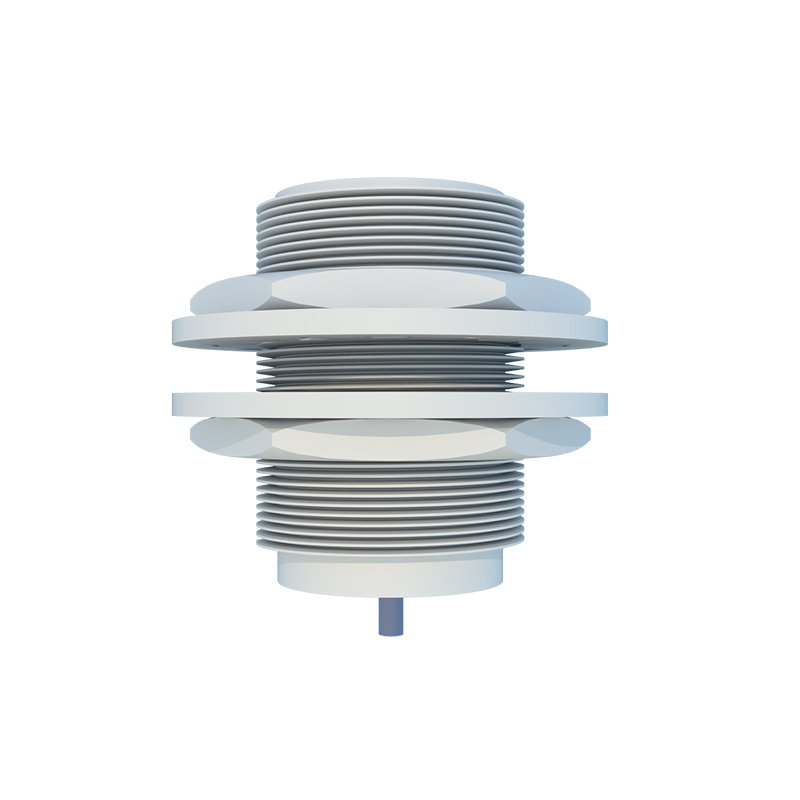
Physical characteristics cannot be overlooked. The sensor's size and shape must fit the available mounting space. Cylindrical sensors are common, but rectangular or slot-style sensors might be necessary for tight spaces. The housing material, typically nickel-plated brass, stainless steel, or plastic (PBT), should be chosen based on the need for mechanical strength and chemical resistance. Also, consider the connection type: pre-wired cables, quick-disconnect connectors, or terminal blocks, each offering different levels of convenience and protection.
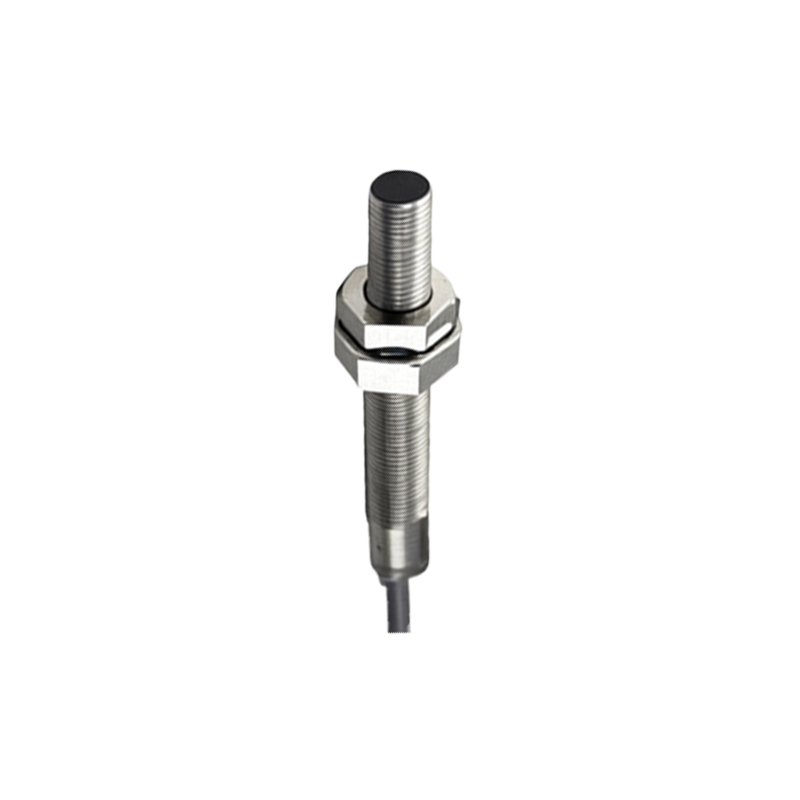
Finally, while cost is always a factor, it should be evaluated in the context of total value. A cheaper sensor that fails prematurely or causes production downtime can be far more expensive in the long run. Consider the sensor's reputation for quality, the manufacturer's support, and the availability of technical documentation. Standardizing on a few reliable models from a trusted supplier can simplify maintenance and inventory.
In summary, the selection process involves a systematic evaluation of the target object, required sensing distance, environmental conditions, electrical interface, physical constraints, and overall value. There is no single "best" proximity sensor; the optimal choice is the one that most precisely and reliably meets the demands of your specific application. Consulting with sensor manufacturers or technical specialists can provide valuable insights for complex or critical installations, ensuring your automation system operates smoothly and efficiently.