In industrial automation and machinery design, square proximity sensors have become a staple component due to their robust housing, reliable performance, and ease of installation. Understanding the pricing landscape for these sensors is crucial for procurement specialists, engineers, and business owners aiming to optimize their budgets without compromising on quality or functionality. This guide provides a comprehensive analysis of the factors influencing square proximity sensor prices and offers insights into current market trends.
The price of a square proximity sensor is not a single fixed value but a spectrum determined by a confluence of technical specifications and commercial factors. At the core, the sensing technology plays a primary role. Inductive sensors, designed to detect metallic objects, are generally the most cost-effective entry point. Capacitive sensors, capable of detecting both metallic and non-metallic materials like liquids or plastics, typically command a higher price. Within these categories, further specialization, such as analog output sensors or those with extended sensing ranges, adds to the cost.
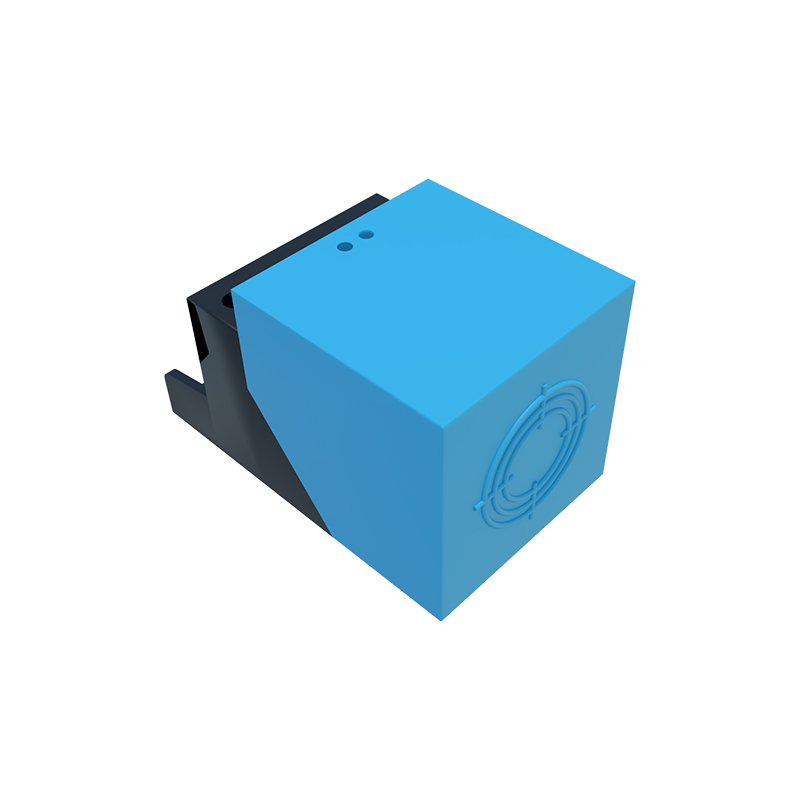
Build quality and housing material are significant price drivers. A standard plastic (PBT) housing is economical, while sensors housed in stainless steel or featuring enhanced ingress protection ratings (e.g., IP67, IP69K) for harsh environments—resistant to water, dust, oils, and chemicals—are priced higher. The brand's market position is another undeniable factor. Established global manufacturers like Siemens, Omron, Schneider Electric, and Pepperl+Fuchs often price their sensors at a premium, justified by extensive R&D, rigorous quality control, worldwide certification, and reliable after-sales support. In contrast, competitive offerings from reputable Asian manufacturers or generic brands provide a lower-cost alternative, though potential buyers must diligently assess consistency and longevity.
Additional features directly impact the final quotation. Sensors with built-in short-circuit protection, reverse polarity protection, or diagnostic LED indicators offer greater operational safety and ease of maintenance, increasing their value. Connection methods also matter; sensors with pre-wired cables or quick-disconnect M12 connectors are more convenient but may cost slightly more than those with simple lead wires. Order volume remains a classic commercial lever; substantial bulk purchases almost always secure considerable unit price discounts from distributors or manufacturers.
Currently, the market exhibits a trend toward smarter, more integrated sensors. While basic models remain in high demand for simple presence detection, there is growing interest in IO-Link enabled square proximity sensors. These "smart sensors" facilitate digital parameter setting, condition monitoring, and seamless integration into Industry 4.0 frameworks. Initially, they carry a higher price tag, but their value in reducing downtime and enabling predictive maintenance can lead to a lower total cost of ownership.
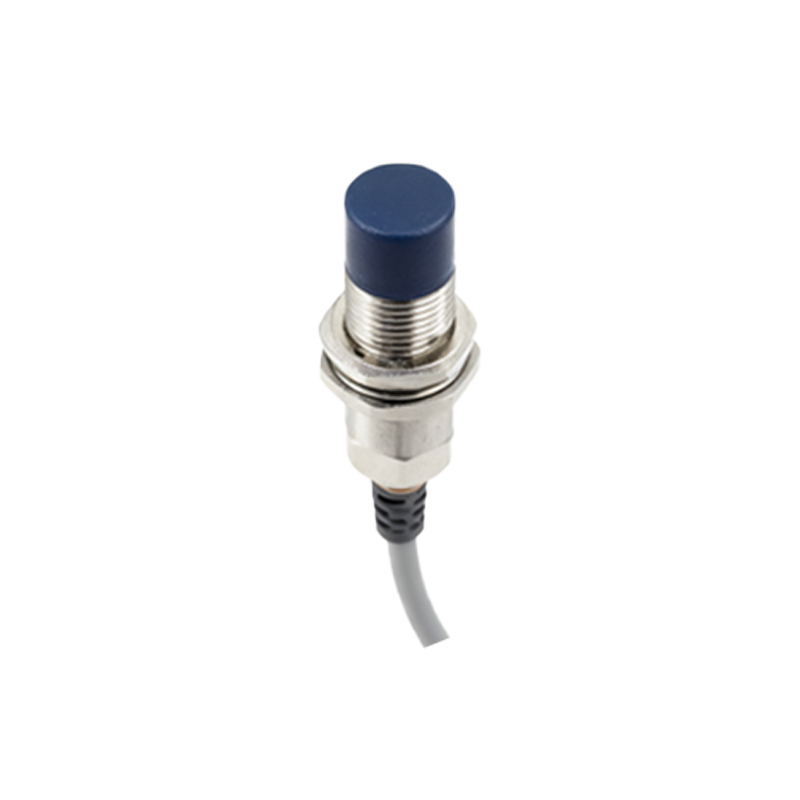
To navigate this market effectively, obtaining an accurate quotation requires providing suppliers with clear parameters: required sensing technology (inductive/capacitive), sensing distance, output type (PNP/NPN, NO/NC), housing material, protection rating, and supply voltage. It is advisable to request quotes from multiple suppliers, comparing not just the unit price but also warranty terms, delivery timelines, and technical support. For non-critical applications with moderate environmental demands, a mid-range or value-brand sensor could be perfectly adequate. For mission-critical processes in challenging conditions, investing in a premium, ruggedized sensor from a trusted brand is often the most economical long-term decision.
In summary, the quotation for a square proximity sensor is a reflection of its capabilities, durability, and brand assurance. Prices can range from under twenty dollars for a basic inductive model to over one hundred dollars for a specialized, feature-rich, heavy-duty unit. A thorough evaluation of technical needs against operational budgets will guide buyers to the optimal sensor that delivers reliability and value for their specific application.