In the world of automation, electronics, and smart devices, there exists a silent, unseen workforce that makes modern conveniences possible. These are proximity sensors. But what exactly are they? At its core, a proximity sensor is a device that detects the presence or absence of an object within a certain range without any physical contact. It sends out a signal, often an electromagnetic field or a beam of radiation, and looks for changes in the return signal or the field to determine if an object is nearby.
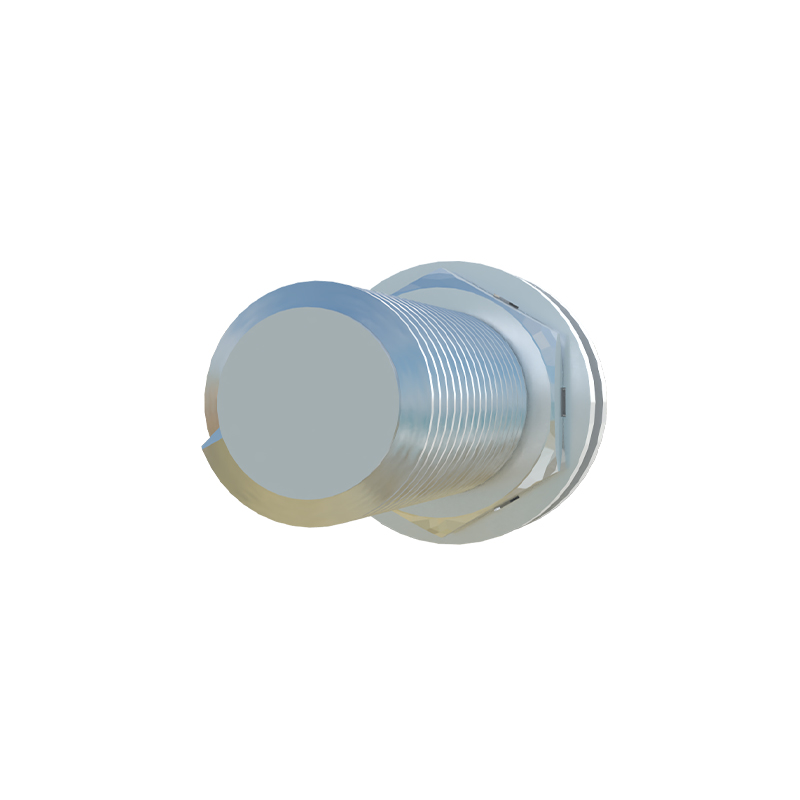
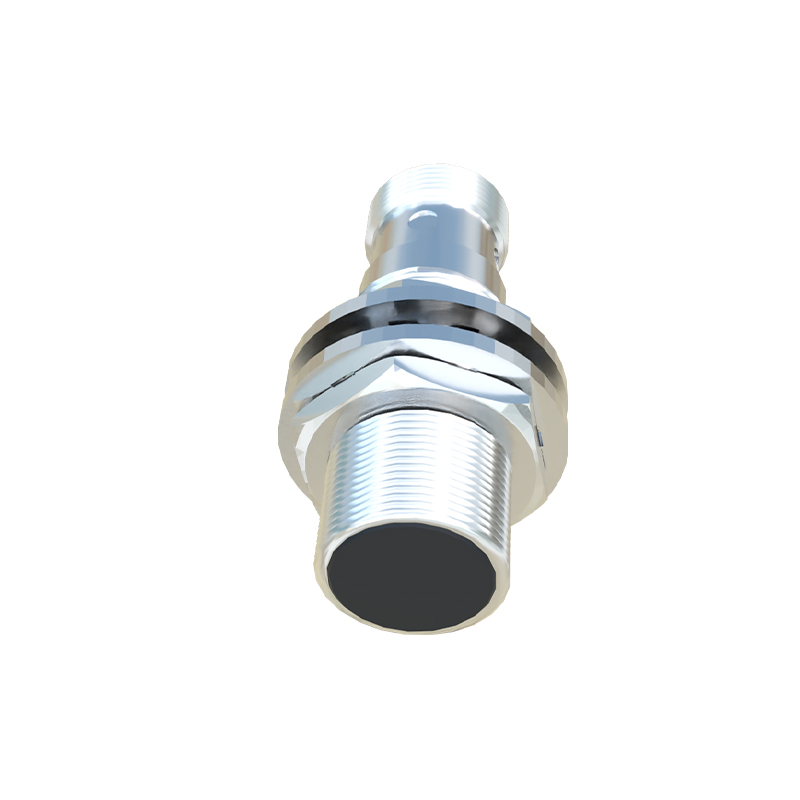
The principle of operation varies significantly depending on the technology used. One of the most common types is the inductive proximity sensor. These sensors generate an oscillating electromagnetic field. When a metallic object enters this field, it induces eddy currents within the object, which in turn causes a change in the oscillation amplitude. The sensor's circuit detects this change and triggers a switch. Inductive sensors are exceptionally reliable for detecting metals and are widely used in industrial automation for tasks like counting metal parts, determining position limits on machinery, or ensuring safety by detecting if a guard door is closed.
Another prevalent type is the capacitive proximity sensor. These can detect both metallic and non-metallic objects, including liquids, powders, plastics, and wood. They work by generating an electrostatic field. Any object that enters this field alters the capacitance of the sensor's circuit. This change is measured, and when it reaches a preset threshold, the sensor activates. You'll find capacitive sensors in applications like liquid level detection in tanks, material handling systems, and even in touchscreens (which are a form of capacitive sensing).
For longer-range detection or for sensing non-metallic objects where capacitive sensors might not be suitable, photoelectric sensors are often the choice. These operate by emitting a beam of light (visible, infrared, or laser) and then detecting the reflected light. There are three main configurations: through-beam (where a separate receiver detects the beam, and an object is sensed when it breaks the beam), retro-reflective (using a reflector), and diffuse (where the sensor detects light reflected directly off the object). They are versatile and used in packaging, conveyor systems, and even in your smartphone for automatic display dimming.
Ultrasonic proximity sensors use sound waves beyond human hearing. They emit high-frequency sound pulses and measure the time it takes for the echo to return. By calculating this time-of-flight, they can determine the distance to an object with high accuracy. These sensors are excellent for challenging environments with dust, smoke, or varying light conditions, and are common in parking assist systems, tank level measurement, and robotics for obstacle avoidance.
Magnetic proximity sensors, often called reed switches or Hall effect sensors, detect the presence of a magnetic field. They are simple, cost-effective, and used in applications like detecting the open/closed status of doors and windows in security systems or sensing the position of a magnet on a rotating component.
The applications of proximity sensors are virtually limitless. In your daily life, they are the reason your smartphone screen turns off when you hold it to your ear during a call. They enable touchless faucets and soap dispensers in public restrooms. In automotive systems, they are crucial for parking sensors, blind-spot monitoring, and automatic braking systems. In advanced manufacturing, they form the backbone of assembly line automation, robotic guidance, and quality control, ensuring precision, efficiency, and safety.
Choosing the right proximity sensor depends on several factors: the material of the target object (metal, plastic, liquid), the required sensing distance, the environmental conditions (temperature, humidity, presence of contaminants), the response speed needed, and the output type required (digital on/off signal or analog distance reading). Understanding these parameters is key to implementing an effective and reliable sensing solution.
In summary, proximity sensors are the fundamental building blocks for non-contact detection. They provide the "eyes" for machines, allowing systems to interact with the physical world intelligently and autonomously. From enhancing user convenience in consumer electronics to driving the relentless pace of industrial innovation, these unassuming devices are indispensable in our increasingly automated world.