In the realm of air quality monitoring, laser dust sensor fans have become a critical component for detecting and measuring particulate matter (PM) in various environments. These devices combine advanced optical sensing technology with efficient airflow systems to provide accurate, real-time data on airborne contaminants.
At the core of a laser dust sensor fan is a laser diode that emits a focused beam of light. As air is drawn into the sensor chamber by an integrated fan, particles passing through the laser beam scatter light in different directions. A photodetector then measures the intensity and pattern of this scattered light. Using principles like Mie scattering, the sensor calculates particle size and concentration, typically categorizing PM into sizes such as PM1.0, PM2.5, and PM10. The fan plays an indispensable role here: it ensures a consistent and representative sample of ambient air flows through the detection area, preventing stagnation and enabling continuous monitoring.
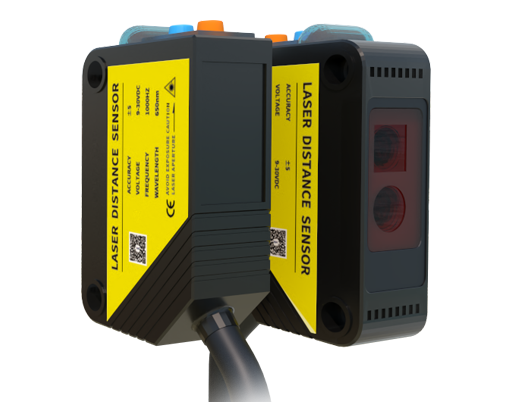
The integration of a fan addresses several challenges in dust sensing. Without active airflow, particles may settle or distribute unevenly, leading to inaccurate readings. The fan maintains a steady stream, allowing the sensor to respond quickly to changes in air quality. This is particularly vital in dynamic settings like HVAC systems, industrial workplaces, smart home devices, and outdoor environmental stations. Moreover, the fan helps reduce contamination buildup on optical components, extending the sensor’s operational lifespan and reliability.
Modern laser dust sensor fans are designed with energy efficiency and miniaturization in mind. Brushless DC fans are commonly used for their durability, low noise, and precise speed control. The fan speed can often be adjusted based on application needs—higher speeds for rapid detection in polluted areas, lower speeds for energy-saving operation in stable environments. This adaptability makes them suitable for portable air purifiers, wearable devices, and large-scale building management systems alike.
When selecting a laser dust sensor fan, key considerations include airflow rate, noise level, power consumption, and compatibility with the sensor’s detection chamber. The fan must generate sufficient airflow without causing turbulence that could interfere with laser measurements. Calibration is also crucial; manufacturers often pre-calibrate sensors using standardized particles to ensure accuracy across varying humidity and temperature conditions.
Applications of these sensors are vast. In residential settings, they enable smart thermostats and air purifiers to automatically adjust their operation based on real-time PM levels. In cities, networked sensors with robust fans provide data for pollution mapping and public health advisories. Industrial facilities use them to monitor workplace safety, ensuring compliance with air quality regulations.
Despite their advantages, laser dust sensor fans face challenges such as sensitivity to high humidity, which can cause false readings, and the need for periodic maintenance to clean accumulated dust. Ongoing advancements aim to improve resistance to environmental factors, enhance particle discrimination, and integrate IoT capabilities for smarter analytics.
In summary, laser dust sensor fans represent a synergy of precision optics and mechanical engineering. They transform passive sensing into active monitoring, delivering the accuracy and responsiveness required for today’s air quality demands. As awareness of airborne health risks grows, these components will continue to evolve, playing an ever-more central role in creating healthier living and working spaces.