Proximity sensors are essential components in modern automation and electronics, detecting the presence or absence of objects without physical contact. Their pricing varies widely, influenced by several key factors. Understanding these factors can help buyers make informed decisions, balancing performance needs with budget constraints.
The type of sensing technology is a primary cost driver. Inductive sensors, used for detecting metallic objects, are generally the most affordable, with prices starting as low as $10 to $20 for basic models. Capacitive sensors, which can detect both metallic and non-metallic materials like liquids or plastics, tend to be slightly more expensive, often ranging from $20 to $50. Optical proximity sensors, including infrared and laser types, offer higher precision and longer ranges, pushing their prices into the $30 to $150 bracket or even higher for specialized industrial-grade units. Ultrasonic sensors, versatile for various material detections in challenging environments, typically fall between $40 and $200.
Performance specifications significantly impact the price. Sensing range is crucial; a sensor with a 2mm range may cost under $15, while one with a 30mm range could exceed $60. Higher switching frequency, which allows for faster detection cycles, and improved repeat accuracy also command premium prices. Environmental ratings are vital for durability. A basic IP67-rated sensor (dust-tight and protected against temporary immersion) is common and moderately priced. Sensors with higher IP ratings (like IP69K for high-pressure, high-temperature washdowns) or those designed for extreme temperatures and hazardous areas carry a substantial cost premium due to robust construction and certifications.
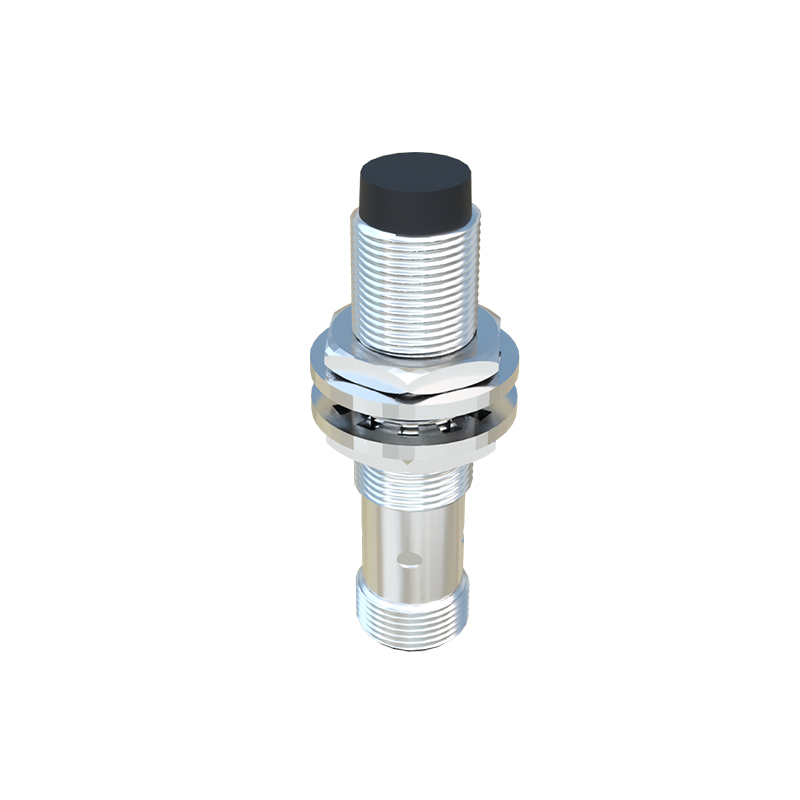
Output configuration and housing material add to the cost. Simple digital outputs (PNP or NPN) are standard. Analog outputs or IO-Link communication for smart sensor capabilities increase complexity and price. Stainless steel housings, necessary for corrosive or food-grade environments, are more expensive than standard nickel-plated brass or plastic housings.
Brand reputation and supply chain factors play a role. Established brands like Omron, Sick, or Pepperl+Fuchs often have higher prices, reflecting reliability, extensive technical support, and warranty. However, many reputable mid-tier or specialized manufacturers offer cost-effective alternatives without sacrificing core performance. Purchasing channel matters; buying directly from manufacturers or authorized distributors ensures authenticity but may cost more than third-party vendors, though the latter can pose risks of counterfeit products.
For cost-effective purchasing, clearly define the application requirements first. Avoid over-specifying; a standard-range sensor is sufficient if long-range detection isn't needed. Consider the total cost of ownership, including installation, maintenance, and potential downtime from sensor failure. A slightly more expensive, reliable sensor can be cheaper long-term. Comparing quotes from multiple suppliers and considering bulk discounts for large projects can lead to significant savings. Finally, review datasheets carefully to ensure the sensor meets all necessary electrical and mechanical specifications for seamless integration.
The proximity sensor market offers options for every budget and application, from simple DIY projects to complex industrial automation. By prioritizing essential features and understanding the value behind price differences, buyers can select the optimal sensor that ensures system efficiency and longevity without unnecessary expenditure.