In the realm of industrial automation and smart infrastructure, outdoor laser sensors represent a critical nexus of precision, durability, and innovation. An outdoor laser sensor factory is not merely an assembly line; it is a highly specialized ecosystem engineered to produce devices capable of withstanding nature's unpredictability while delivering micron-level accuracy. The manufacturing journey begins long before the first component is placed, rooted in rigorous Research and Development focused on environmental resilience. Engineers combat challenges like thermal expansion, condensation, dust ingress, and UV degradation through advanced material science. Housings are often crafted from marine-grade aluminum alloys or engineered polymers with high IP (Ingress Protection) and IK (Impact Protection) ratings, ensuring longevity against rain, snow, and physical shocks.
Within the factory's cleanrooms and controlled environments, the heart of the sensor—the laser diode and photodetector assembly—is calibrated with extraordinary care. Automated optical alignment systems, operating in vibration-damped chambers, position components to tolerances less than a micrometer. This precision is paramount for applications such as long-range distance measurement in construction or object detection for autonomous outdoor vehicles. Each sensor undergoes a barrage of functional tests, simulating years of exposure within accelerated life testing chambers. Temperature cycling tests span from -40°C to 85°C, while humidity chambers replicate tropical storms. Vibration tables mimic transportation stresses and operational environments from mining sites to wind farms.
The production philosophy is deeply intertwined with Industry 4.0 principles. Smart manufacturing lines employ IoT-enabled trackers that monitor each unit's test data and calibration parameters in real-time, creating a digital twin for traceability. This data-centric approach allows for predictive maintenance of the manufacturing equipment itself and continuous refinement of production processes. Quality assurance is not a final checkpoint but an integrated layer throughout manufacturing, with machine vision systems inspecting solder joints, seal integrity, and laser output patterns.
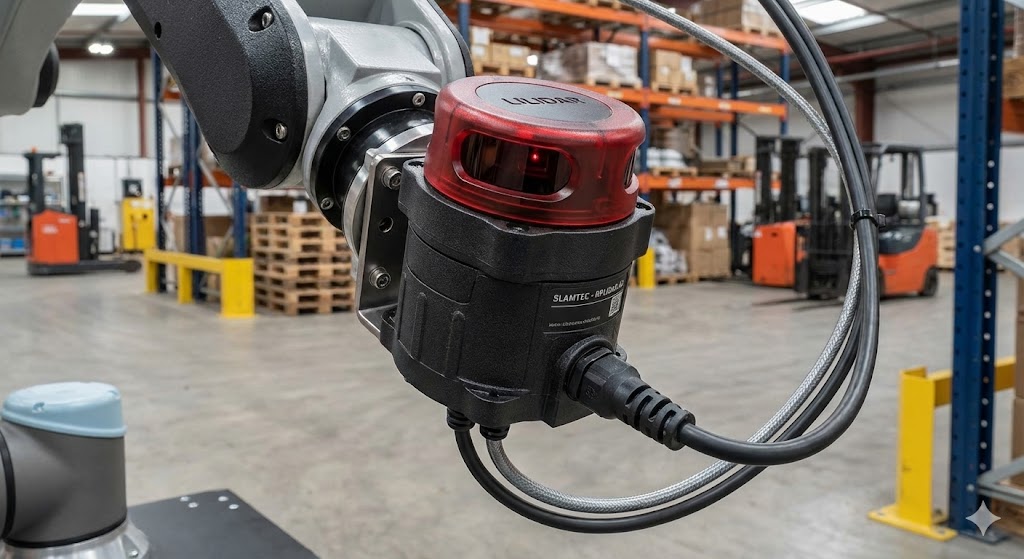
The final products emerging from such a facility are deployed across a vast landscape. They enable the safety and efficiency of port automation by precisely guiding container cranes, monitor structural health of bridges and dams through subtle displacement detection, and form the perception layer for agricultural robots navigating uneven terrain. In traffic management, laser sensors provide reliable vehicle counting and classification in all weather conditions, outperforming optical cameras in fog or darkness. The factory's output thus becomes the enabling technology for smarter cities, safer industrial zones, and more sustainable resource management.
Ultimately, an advanced outdoor laser sensor factory symbolizes a commitment to building the sensory organs of our automated world. It merges mechanical robustness with optical finesse, ensuring that the invisible beams of light can reliably translate the physical world into actionable data, day and night, in sunshine or storm. The relentless pursuit of reliability in these manufacturing hubs directly translates to trust in the field, where sensor failure is not an option.