In the realm of industrial automation and smart device design, the visual representation of components plays a crucial role in understanding, specifying, and integrating technology. Circular proximity sensor images are more than just simple photographs or diagrams; they are vital tools for engineers, procurement specialists, and technicians. These images typically depict a compact, disc-shaped device, often with a metallic or polymer housing, featuring a central sensing face. The circular form factor is dominant in the market due to its efficiency in creating a symmetrical detection field and ease of installation in drilled mounting holes.
A high-quality circular proximity sensor image provides immediate visual cues about the sensor's type. Inductive sensors, for detecting metallic objects, usually have a solid metal face, often made of stainless steel. Capacitive sensors, capable of detecting a wider range of materials including liquids and plastics, might have a different front-face design or labeling. Photoelectric sensors, while sometimes cylindrical, share visual similarities but are distinguished by the presence of a lens for light emission and reception. Key details visible in a well-composed image include the housing diameter (e.g., M8, M12, M18, M30 standard metric threads), the presence of LED status indicators, cable or connector type (e.g., pre-wired cable or quick-disconnect), and any labeling indicating specifications like sensing distance, output type (PNP/NPN, NO/NC), and supply voltage.
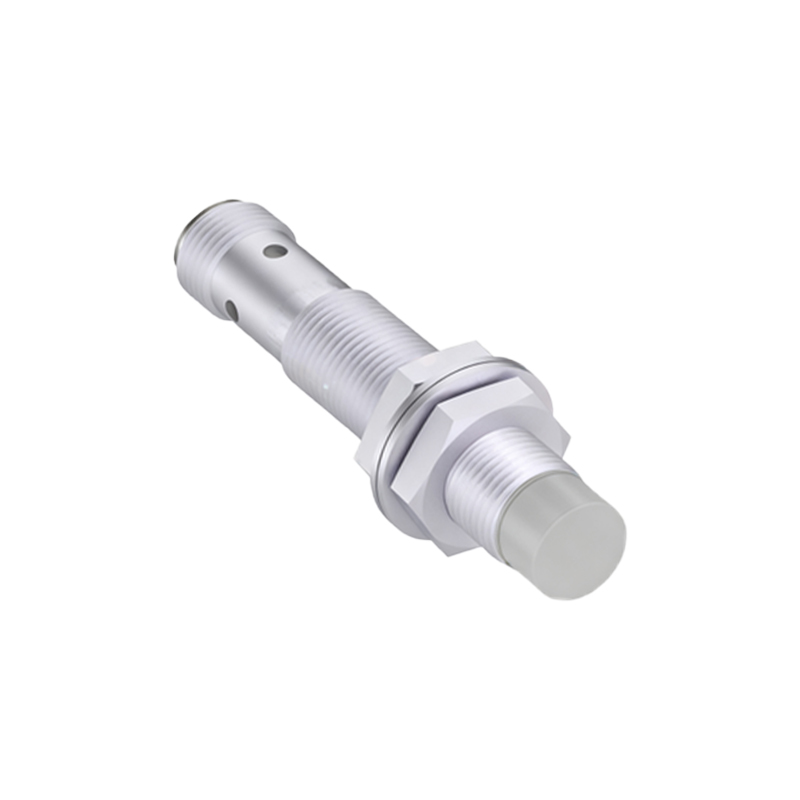
The practical importance of these images extends across the entire product lifecycle. During the design and specification phase, engineers rely on dimensional drawings and product images to ensure the sensor will fit the mechanical design and meet environmental requirements (IP ratings for dust and water resistance are often inferred from housing design). For procurement and inventory, an image helps in accurate part identification, reducing the risk of ordering errors. In installation and maintenance, a clear image aids technicians in recognizing the correct sensor type on a crowded machine or within a parts catalog, facilitating faster troubleshooting and replacement.
From an SEO and digital catalog perspective, circular proximity sensor images must be optimized. Filenames should be descriptive (e.g., "M18-Inductive-Proximity-Sensor-12mm-Range.jpg"), and alt-text must accurately describe the image for web accessibility and search engine indexing. High-resolution, multiple-angle views (front, side, mounting details) and context images showing the sensor installed in a typical application greatly enhance user understanding and engagement. These visual assets help technical buyers make confident decisions, reducing support inquiries and improving the overall user experience on manufacturer and distributor websites.
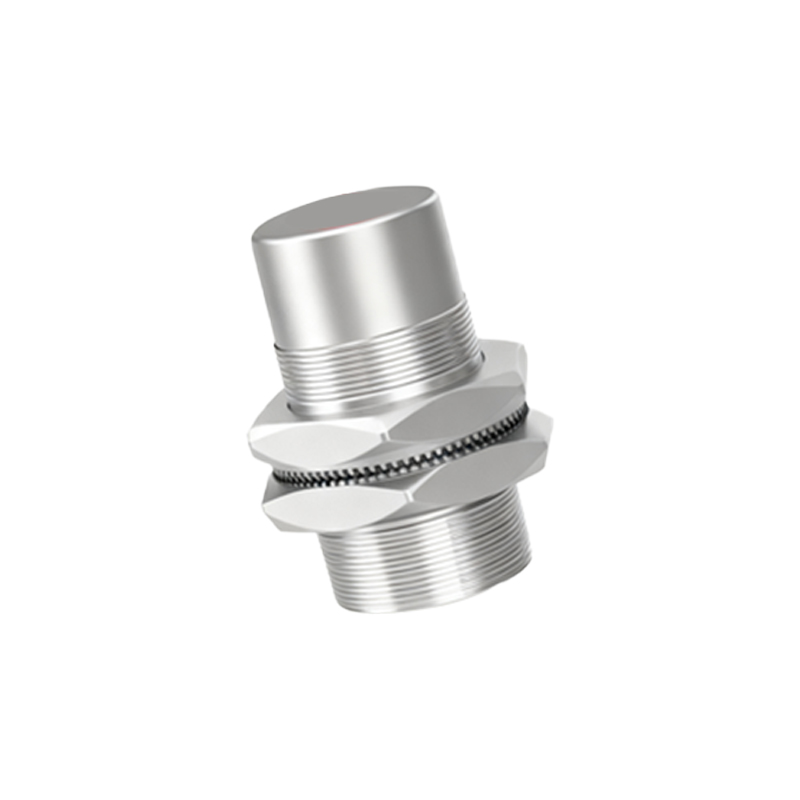
In conclusion, the humble image of a circular proximity sensor is a critical node of information in industrial technology. It bridges the gap between technical datasheets and physical reality, serving as an essential reference for professionals who build, maintain, and automate the systems that drive modern manufacturing and product innovation. Ensuring these images are accurate, detailed, and readily available is a fundamental aspect of technical communication in the digital age.