In the intricate world of industrial automation and smart systems, the seamless transfer of control signals is paramount. At the heart of this process lies a critical component: the proximity sensor transfer switch. This device is not merely a connector but a sophisticated gateway that ensures operational continuity, safety, and efficiency. Understanding its function, types, and applications reveals why it is indispensable in modern engineering.
A proximity sensor, by design, detects the presence or absence of an object without physical contact, typically using electromagnetic fields, light, or sound. However, the raw signal from the sensor often requires conditioning, isolation, or rerouting to be useful within a larger control system, such as a Programmable Logic Controller (PLC), robotic arm, or safety interlock. This is where the transfer switch comes into play. It acts as an interface, taking the output signal from the proximity sensor and reliably transferring it to activate or deactivate another circuit. Think of it as a trustworthy translator and courier, ensuring the sensor's message is delivered accurately and promptly to the intended recipient—a motor starter, a warning light, a counting module, or a data-logging system.
The core function of a transfer switch in this context is signal conversion and isolation. Many inductive proximity sensors, for instance, provide a simple DC switch output (like a PNP or NPN transistor). The transfer switch can take this low-power signal and use it to control a separate, higher-power circuit, providing electrical isolation that protects sensitive sensor electronics from voltage spikes or noise present in the load circuit. This isolation is crucial for longevity and reliability in harsh industrial environments filled with electromagnetic interference.
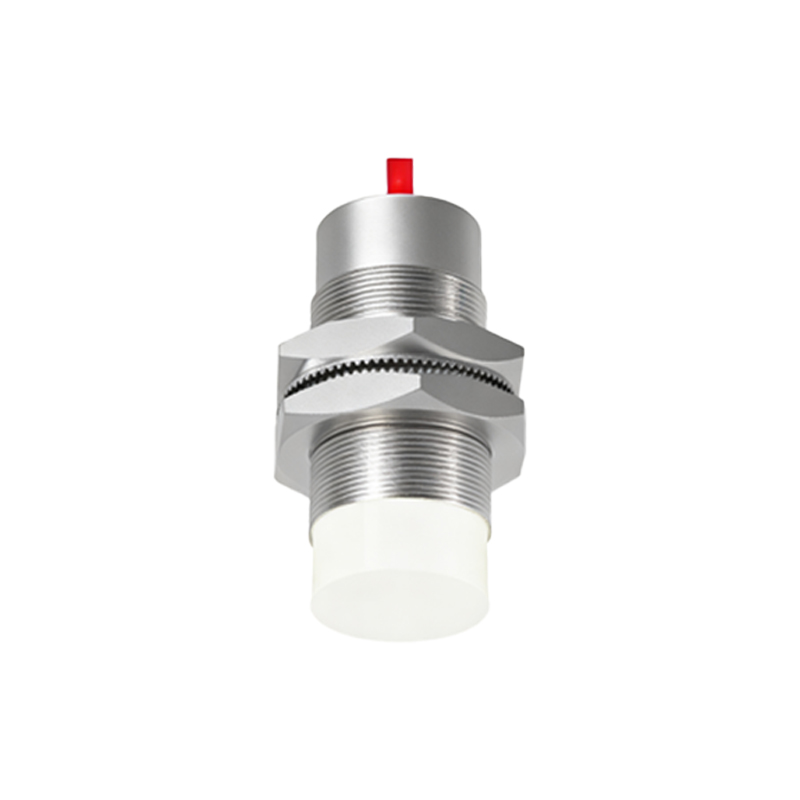
Several types of transfer mechanisms are employed, often built into the sensor housing or as standalone modules. Solid-state relays (SSRs) are a common form, using semiconductor switching for fast, silent, and long-life operation. Electromechanical relays, with their physical contacts, are another robust option, capable of handling very high inrush currents. More advanced units may include time-delay functions, logic controllers (e.g., one-shot pulses, window discriminators), or even wireless transmission capabilities, turning a simple presence detection into a smart triggering event.
The applications are vast and cross-industry. In automotive assembly lines, a proximity sensor detects a chassis on the conveyor, and its transfer switch instantly signals a welding robot to begin its programmed sequence. In packaging machinery, a sensor verifies a bottle is correctly positioned, and the switch transfers that "go" signal to initiate the filling head. Within automated storage and retrieval systems (AS/RS), sensors track pallet locations, and their associated switches manage the transfer of control between different zones of the warehouse management software, preventing collisions and optimizing flow. In critical safety systems, such as on press brakes or guarding doors, a safety-rated proximity sensor paired with a safety relay (a specialized transfer switch) creates a monitored circuit. Any fault or unexpected opening in the signal path causes an immediate and safe shutdown, protecting personnel.
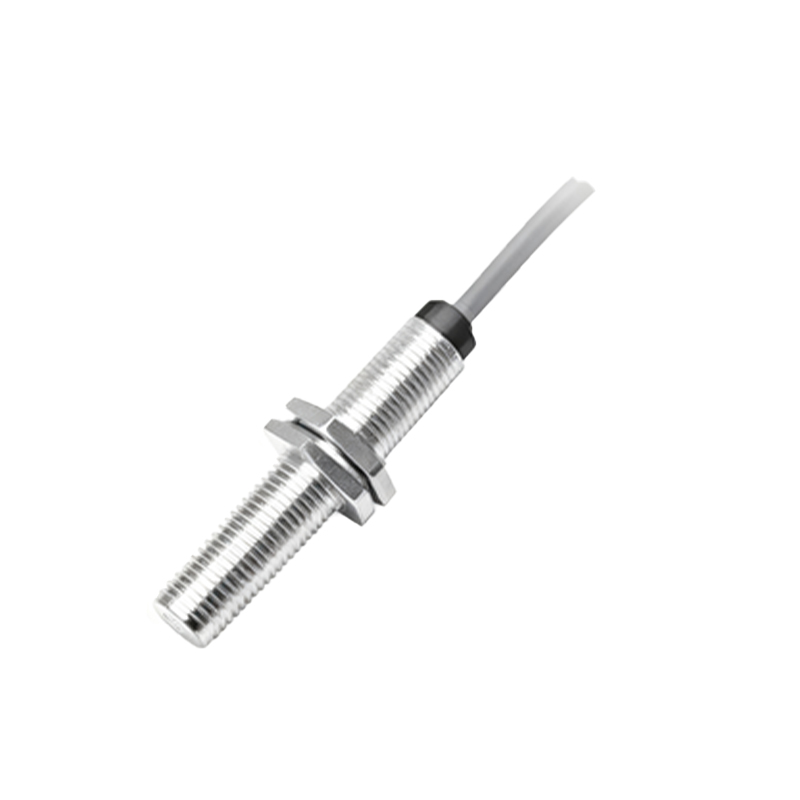
Selecting the right proximity sensor transfer switch involves careful consideration. Engineers must match the sensor's output type and voltage with the switch's input requirements. Equally important are the load characteristics (voltage, current AC/DC, inrush current) of the circuit being controlled. Environmental factors—temperature, humidity, exposure to oils or chemicals—dictate the necessary ingress protection (IP) rating. For safety applications, compliance with standards like IEC 61508 or ISO 13849 is non-negotiable. Furthermore, in setups requiring multiple sensors, multiplexing units can consolidate several signals into one communication line to a controller, simplifying wiring and reducing costs.
The evolution towards Industry 4.0 and the Industrial Internet of Things (IIoT) is further elevating the role of these components. Modern proximity sensors with integrated IO-Link communication, for example, do more than just switch; they transmit detailed parameter and diagnostic data. The "transfer switch" in such a system becomes a digital node in a network, facilitating not just basic control but also predictive maintenance data flow, such as reporting switch cycle counts or signal strength degradation before a failure occurs.
In conclusion, the proximity sensor transfer switch is a fundamental enabler of automated control. It provides the essential link between detection and action, ensuring signals are transferred reliably, safely, and intelligently. Its design and implementation, though often residing in the background, directly impact system uptime, safety integrity, and operational intelligence. As automation grows more complex and interconnected, the humble transfer switch will continue to be a key component in building responsive, resilient, and smart industrial ecosystems.