Proximity sensors are widely used in industrial automation, automotive systems, and consumer electronics for non-contact detection of objects. Among various types, inductive and magnetic proximity sensors rely fundamentally on magnetization principles to function. Understanding how magnetization enables these sensors to detect targets provides insight into their design, applications, and limitations.
At its core, magnetization refers to the process by which a material becomes magnetized, meaning it acquires a magnetic moment. In proximity sensors, this typically involves the use of permanent magnets or electromagnets to generate a magnetic field. When a ferromagnetic object—such as iron or steel—enters this field, it becomes magnetized itself, altering the original magnetic flux distribution. This change is detected by the sensor, triggering an output signal.
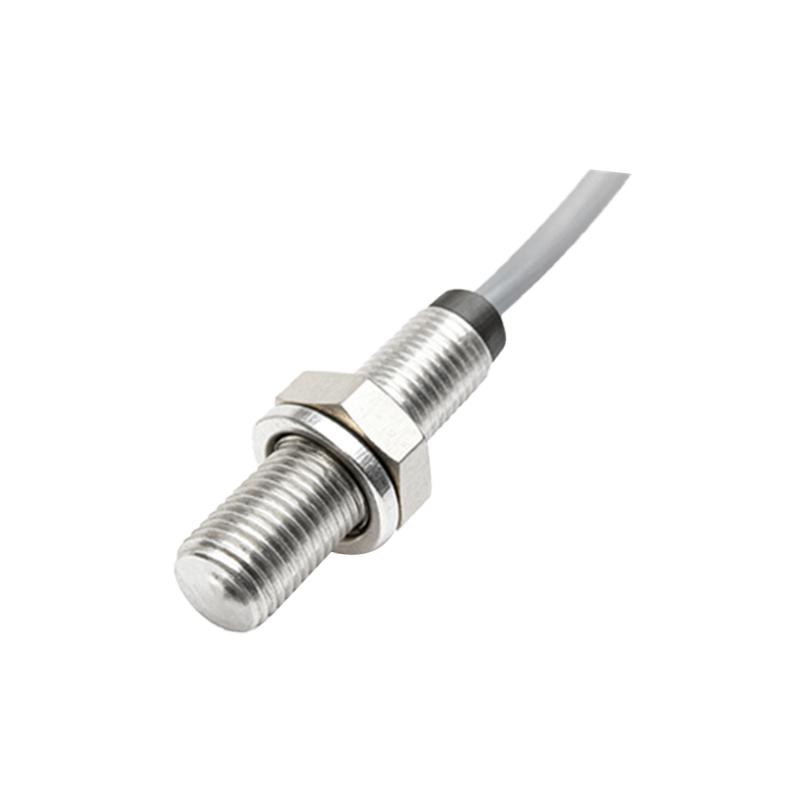
Inductive proximity sensors often incorporate a coil wound around a ferromagnetic core. An alternating current passes through the coil, creating an oscillating magnetic field. If a conductive or ferromagnetic target approaches, eddy currents are induced in the target, which in turn generate their own magnetic field opposing the original one. This opposition changes the coil's inductance and the amplitude of oscillation, which is monitored by the sensor's circuitry. The detection range depends on factors like the target material, size, and the strength of the generated magnetic field.
Magnetic proximity sensors, such as reed switches or Hall effect sensors, operate slightly differently. Reed switches consist of two ferromagnetic reeds sealed in a glass tube. When an external magnetic field from a permanent magnet or electromagnet approaches, the reeds magnetize and attract each other, closing the circuit. Hall effect sensors detect changes in magnetic field strength by measuring the voltage difference across a conductor when exposed to a magnetic field. Both types rely on the magnetization of components to sense proximity.
The magnetization principle also explains why these sensors are selective in target detection. Non-ferromagnetic materials like aluminum, copper, or plastic do not magnetize easily and may not be detected by inductive sensors unless they are conductive enough to generate eddy currents. Magnetic sensors primarily respond to ferromagnetic materials or other magnets. This selectivity is advantageous in environments where specific object types need monitoring.
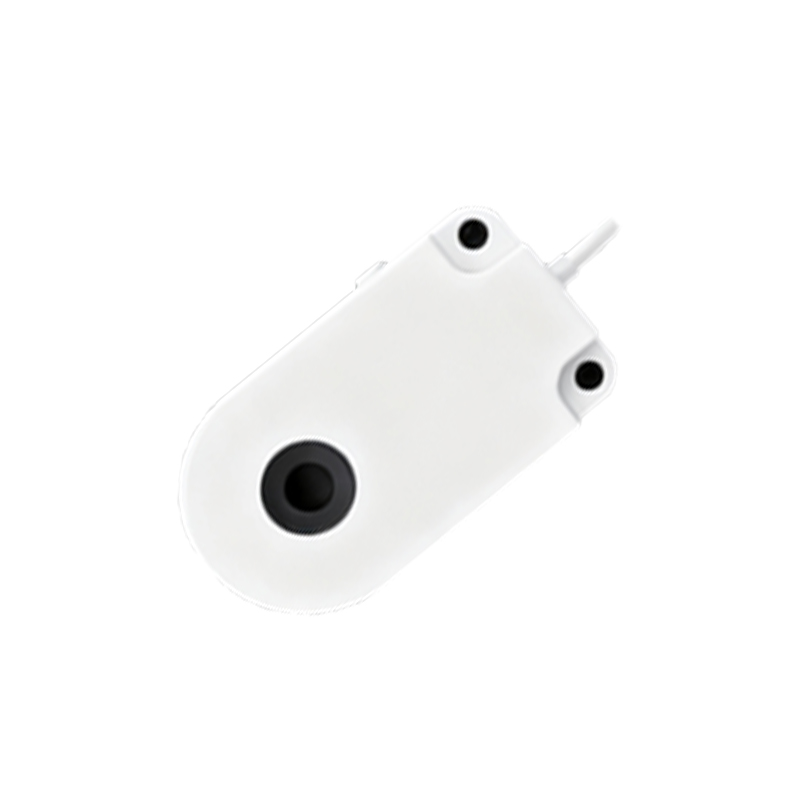
In practical applications, the design of proximity sensors considers magnetization efficiency. Factors such as core material (e.g., ferrite or iron), coil design, magnet strength, and sensor geometry are optimized to enhance sensitivity and range. For instance, using high-permeability materials in the core concentrates the magnetic field, improving detection accuracy. Additionally, shielding may be employed to minimize interference from external magnetic sources, ensuring reliable operation.
Advancements in magnetization technology have led to more compact and energy-efficient sensors. Modern sensors integrate microcontrollers and signal processing algorithms to distinguish between target-induced magnetization changes and environmental noise. This has expanded their use in precision applications like robotics, medical devices, and smart appliances.
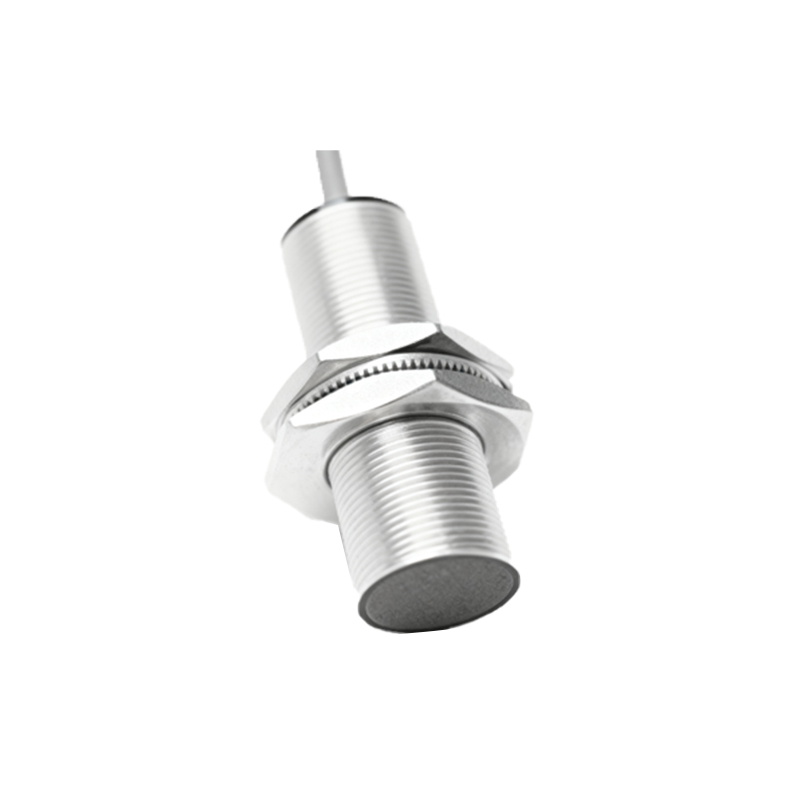
Despite their reliability, proximity sensors based on magnetization face challenges. Extreme temperatures can affect magnetic properties, leading to drift in detection thresholds. Corrosive environments may degrade magnetic components over time. Engineers address these issues through material selection, protective coatings, and calibration techniques.
In summary, the magnetization principle is fundamental to the operation of many proximity sensors. By leveraging magnetic fields and material responses, these devices enable efficient, non-contact detection across industries. Continued research into magnetic materials and sensing technologies promises further improvements in performance and versatility.