In the realm of industrial automation and machinery control, the interface between human operators and complex systems is paramount. Among the various components facilitating this interaction, the proximity switch sensor knob stands out as a critical, yet often underappreciated, element. This guide delves into the functionality, selection criteria, and practical applications of these specialized knobs, providing essential knowledge for engineers, technicians, and procurement specialists.
A proximity switch sensor knob is not a standalone sensor but rather the actuating interface for a proximity switch. Proximity switches themselves are non-contact sensors that detect the presence or absence of a target object using electromagnetic fields, infrared light, or ultrasonic sound. The knob is the physical component an operator turns, which in turn moves a target (like a metallic vane or coded disc) into or out of the sensing field of the switch. This action changes the switch's output state, sending a signal to a programmable logic controller (PLC) or other control system to initiate a process, change a parameter, or provide feedback.
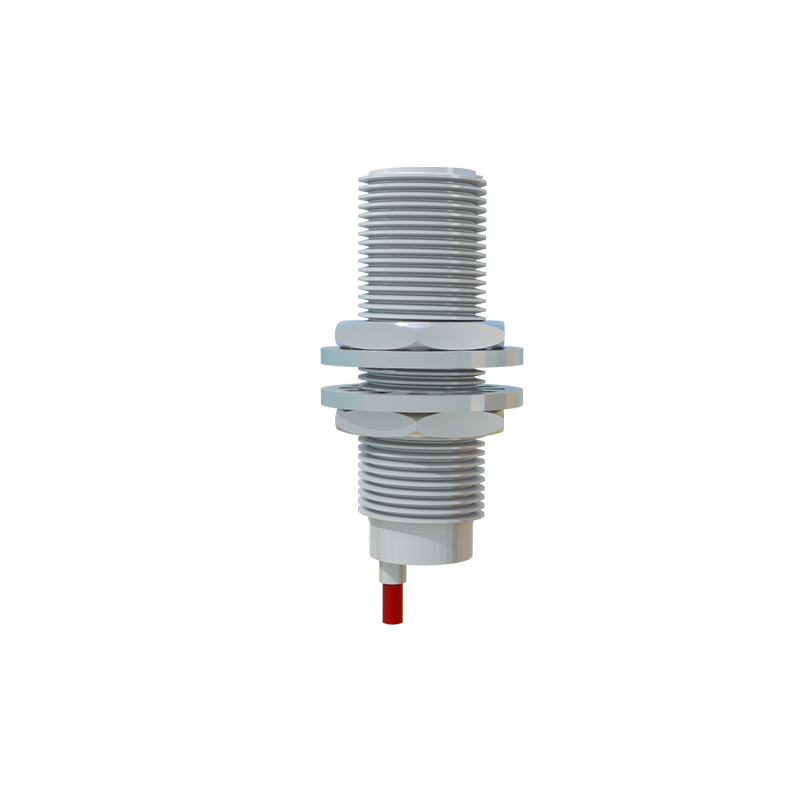
The core advantage of using a knob with a proximity switch is the combination of precise digital sensing with robust manual control. Unlike a simple potentiometer that provides a variable analog signal, a proximity switch knob offers distinct, repeatable switching points. This is crucial for applications requiring preset positions, mode selection, or limit setting. The non-contact nature of the sensing mechanism means there is no physical wear between the knob's internal target and the sensor, leading to exceptionally long life, high reliability, and maintenance-free operation even in environments with dust, moisture, or vibration.
Selecting the right proximity switch sensor knob requires careful consideration of several technical parameters. First, the type of proximity sensor must be matched. Inductive sensors require a ferrous metal target (like iron or steel) on the knob, while capacitive sensors can detect non-metallic materials. Optical encoder knobs use a patterned disc to interrupt a light beam. The number of positions or pulses per revolution defines the resolution; common configurations include 12, 24, or 36 positions. The mechanical specification is equally important: shaft diameter (e.g., 6mm, 1/4 inch), mounting style (panel mount with nut, screw-in, or snap-in), and the material and finish of the knob itself (metal, plastic, with or without a grip). Environmental ratings, such as IP (Ingress Protection) for dust and water resistance, are vital for harsh industrial settings.
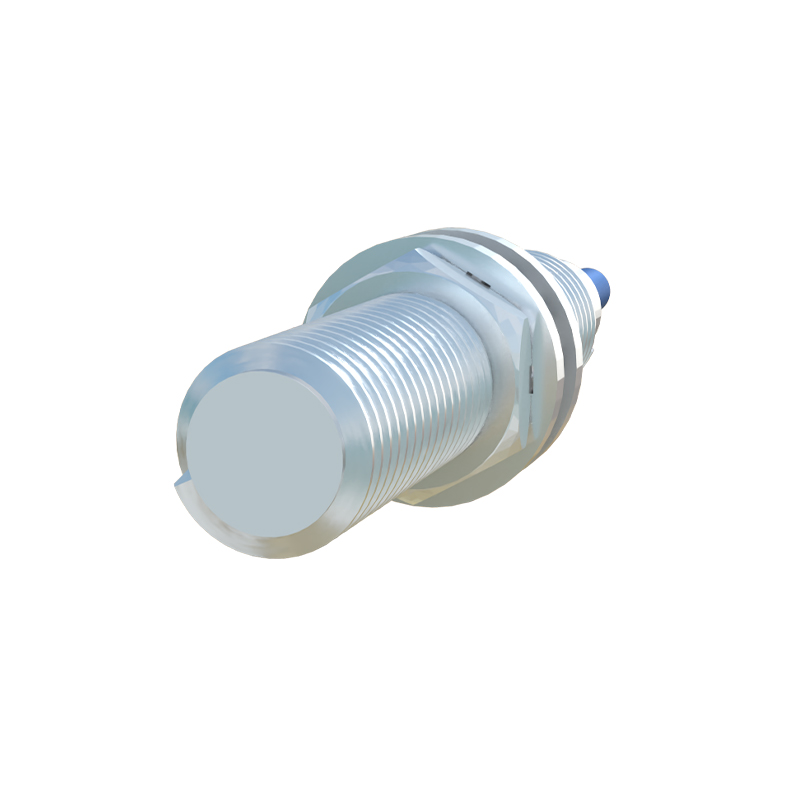
In practice, these knobs find extensive use across diverse industries. On factory automation lines, they are used on control panels to select machine modes (e.g., manual, automatic, setup) or to jog machinery to specific positions. In packaging equipment, they might set batch counts or adjust timing parameters. Process control industries utilize them for setting thresholds on displays or initiating calibration sequences. Their sealed designs make them suitable for food and beverage processing or outdoor machinery, where washdowns or weather exposure are concerns. Beyond heavy industry, they are also found in high-end professional audio equipment, medical devices, and scientific instruments where durable, precise, and repeatable selection is needed.
Installation and integration are straightforward but demand attention to detail. The knob must be securely mounted to the panel, with the internal target aligned correctly within the sensing range of the proximity switch. The switch itself is typically mounted behind the panel. Wiring follows standard practice for the sensor type (e.g., NPN or PNP for DC sensors). The output signal is then connected to the digital input of a controller. Troubleshooting usually involves verifying the sensor's power supply, checking the alignment and distance between the target and sensor face, and ensuring the switching output is being correctly read by the control system.
Future trends point toward increased integration and intelligence. We are seeing the emergence of "smart knobs" that combine the traditional switching function with absolute position feedback and even built-in Bluetooth or IO-Link connectivity for direct parameterization and diagnostics. However, the fundamental principle of robust, non-contact actuation remains the bedrock of their design.
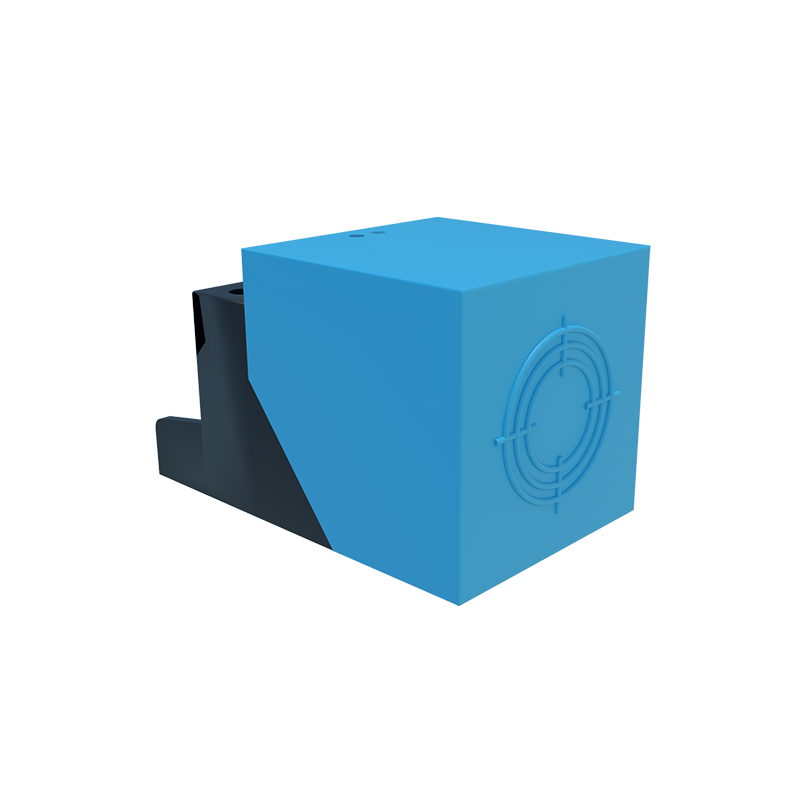
In conclusion, the proximity switch sensor knob is a sophisticated fusion of mechanical interface and electronic sensing. Its value lies in providing a reliable, long-lasting, and precise method for operators to input discrete commands into automated systems. By understanding their operation, specifications, and ideal use cases, professionals can effectively specify and deploy these components, ensuring smoother human-machine interaction and enhanced operational efficiency in countless applications.