In the realm of industrial automation, robotics, and smart devices, the ability to detect the presence, absence, or position of an object without physical contact is paramount. This capability is elegantly provided by photoelectric proximity sensors. These versatile devices operate on the fundamental principle of using light to sense objects, offering high precision, reliability, and flexibility across countless applications.
At its core, a photoelectric sensor consists of two main components: an emitter (light source) and a receiver (photodetector). The emitter projects a beam of light—often infrared, visible red, or laser—toward a target area. The receiver is designed to detect changes in this light beam. The specific method of detection defines the primary operating modes. The most common types are through-beam, retro-reflective, and diffuse reflective sensors.
Through-beam sensors, also called opposed-mode sensors, feature separate units for the emitter and receiver. The emitter sends a continuous beam to the receiver. An object is detected when it interrupts this beam. This configuration offers the longest sensing range and highest reliability, as it is less affected by the object's color, texture, or angle. They are ideal for precise detection over distances of several meters, commonly used in material handling, packaging, and safety curtains.
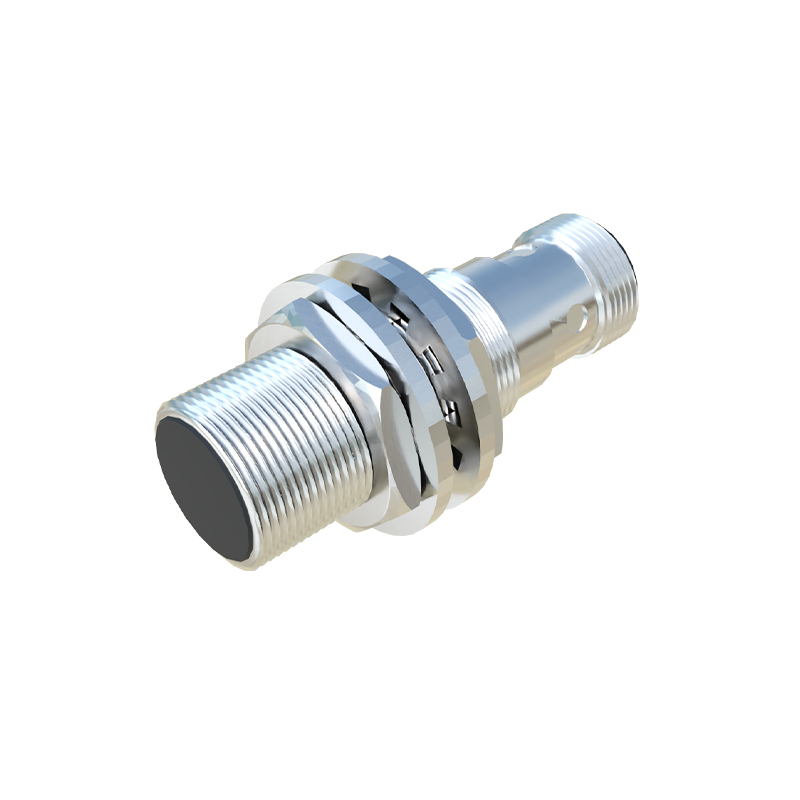
Retro-reflective sensors house both the emitter and receiver in a single housing. The light beam is directed toward a specialized reflector, which bounces it directly back to the receiver. Detection occurs when an object breaks the beam path to the reflector. These sensors provide a good balance of range and convenience, simplifying installation as only one device and a reflector need to be mounted. A key feature is the use of polarizing filters to prevent false triggers from shiny objects that might otherwise reflect light like the target reflector.
Diffuse reflective sensors, or proximity-mode sensors, also combine the emitter and receiver in one unit. However, they detect an object by the light reflected directly off the object's surface itself. The sensing distance is therefore dependent on the object's size, color, and reflectivity. Light-colored, matte objects are detected at greater ranges than dark, glossy ones. This type is widely used for short-range detection, level control, and counting applications where mounting a reflector is impractical.
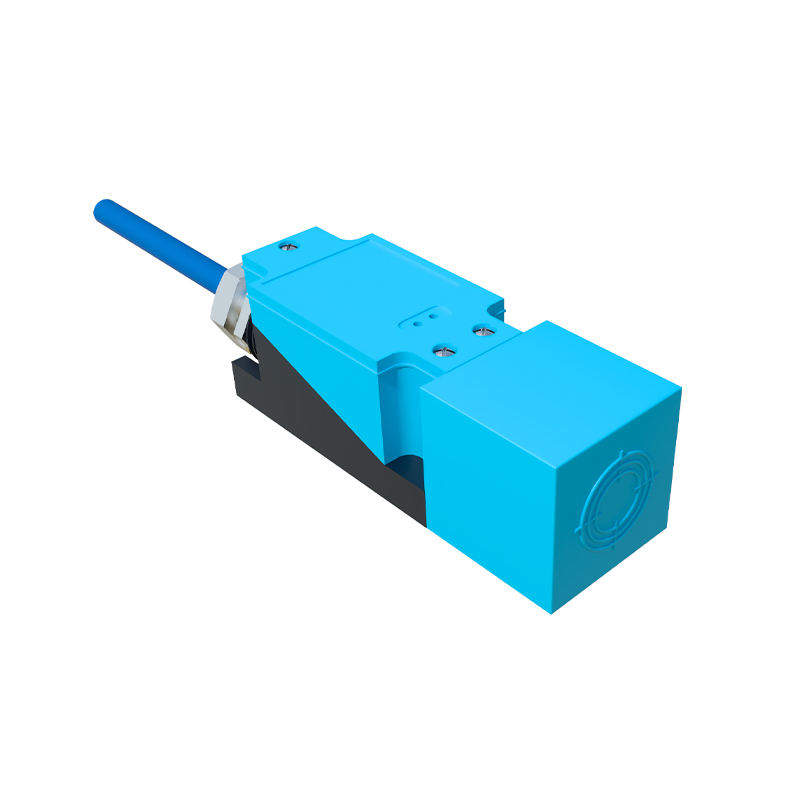
Modern advancements have significantly enhanced sensor performance. The adoption of modulated LED light sources, typically pulsed at a specific frequency, allows the receiver to distinguish the sensor's own light from ambient background light, dramatically improving noise immunity and stability. Digital circuitry enables features like adjustable sensing thresholds, time delays, and output configurations (NPN/PNP). Furthermore, specialized models with background suppression or fixed-field background suppression use triangulation principles to detect objects only within a precise, defined zone, ignoring objects and surfaces beyond it, which is crucial for consistent detection regardless of object color.
The application spectrum for photoelectric proximity sensors is vast. In manufacturing, they count bottles on a conveyor, detect the position of a robotic arm, or verify the presence of a component for assembly. In logistics, they monitor package heights on sorting lines. In the automotive industry, they ensure proper door and hood closure. Consumer electronics employ miniature versions for screen proximity detection in smartphones and tablets. They are also fundamental in automated parking systems, vending machines, and printing equipment.
Selecting the right photoelectric sensor requires careful consideration of several factors. The primary decision is the operating mode (through-beam, retro-reflective, diffuse) based on the required sensing distance, object characteristics, and installation constraints. The sensing range must have a sufficient margin for the application. Environmental conditions are critical; sensors may need specific ingress protection (IP) ratings for dust and water resistance, robust housings for washdown areas, or specialized materials for corrosive atmospheres. The output type must be compatible with the control system, typically a programmable logic controller (PLC). Other considerations include response speed for high-speed lines, the size of the sensing spot, and connectivity options like IO-Link for advanced diagnostics and parameter setting.
In conclusion, photoelectric proximity sensors are indispensable tools in modern technology. Their non-contact operation, adaptability through different sensing modes, and continual technological refinement make them a superior choice for precise, reliable object detection. From ensuring the smooth flow of industrial production to enabling intuitive interactions with everyday devices, these sensors silently and efficiently bridge the gap between the physical and digital worlds.