Through-beam photoelectric sensors, often referred to as "opposed mode" sensors, represent one of the most fundamental and reliable sensing technologies in industrial automation. Their operation is elegantly simple yet delivers unparalleled performance for long-range, high-precision detection tasks. Unlike other photoelectric sensor types, the through-beam configuration physically separates the two core components: the emitter and the receiver. The emitter projects a continuous or modulated beam of light—typically infrared, visible red, or laser—directly towards the receiver unit. The receiver's sole function is to monitor the intensity of this incoming light beam. An object is detected the moment it passes between the two units, interrupting the beam and causing the receiver's output state to change.
This physical separation of transmitter and receiver is the key to its significant advantages. The primary benefit is an exceptionally long sensing range. Since the receiver is designed to see only the light from its paired emitter, it can detect the beam over distances that can extend up to 60 meters or more for some high-power models. This makes through-beam sensors ideal for large machinery, conveyor systems, and warehouse automation where other sensors would fail. Furthermore, they are largely immune to environmental challenges that plague other types. The target object's color, reflectivity, surface finish, or material (opaque, transparent, glossy, matte) have minimal effect on reliability. As long as the object is opaque enough to interrupt the beam, it will be detected consistently. This provides a level of detection stability that diffuse-reflective or retro-reflective sensors cannot always guarantee.
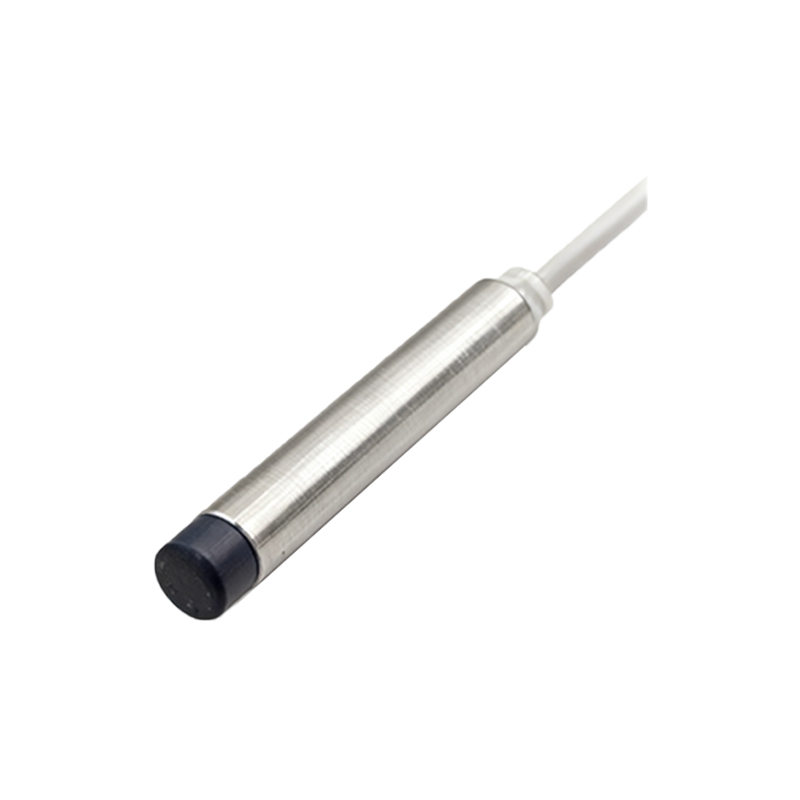
However, the through-beam design also introduces its own set of considerations. The most notable is the requirement for precise alignment during installation. Both the emitter and receiver must be meticulously mounted and aimed so that the beam is perfectly centered on the receiver's lens. Any misalignment can lead to reduced operational range or complete failure. In environments with significant vibration or thermal expansion, this alignment can drift over time, necessitating periodic checks. Additionally, running power and signal cables to two separate physical units doubles the wiring effort compared to a single-housing sensor.
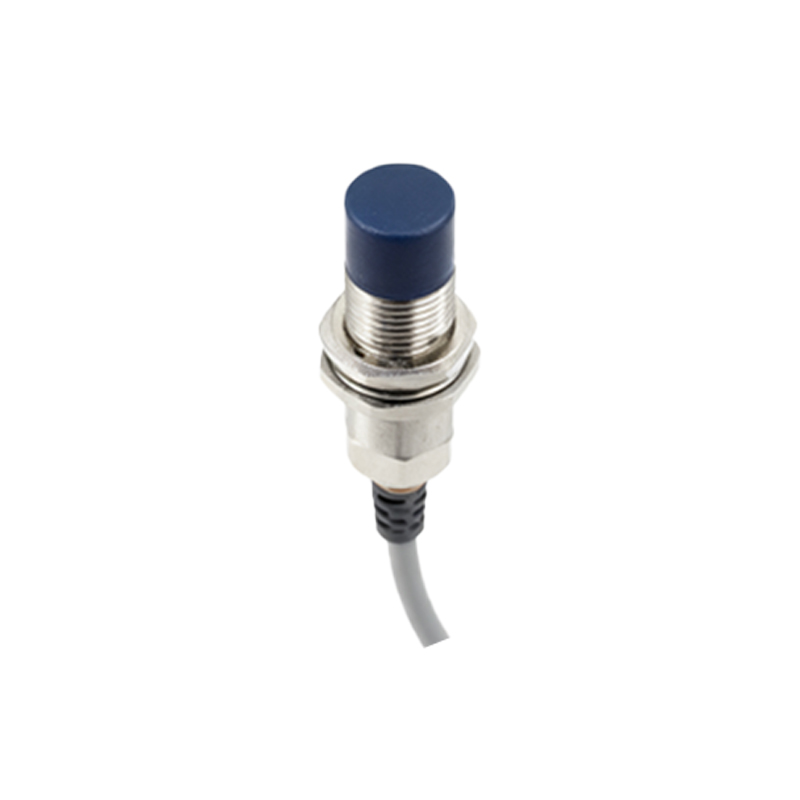
The applications for through-beam photoelectric sensors are vast and critical. They are the go-to solution for precise object counting on high-speed production lines, such as in bottling plants or packaging facilities. Their ability to detect small objects reliably makes them perfect for part presence verification in assembly automation. In material handling, they are used as safety curtains or as break-beam detectors to signal the presence of a pallet at the end of a conveyor. They also serve as effective safeguards, monitoring access points to hazardous areas on machinery; if the beam is broken, the machine can be programmed to stop immediately.
When selecting a through-beam sensor, several factors must be evaluated. First is the required sensing distance, which dictates the necessary light output power. For dirty or dusty environments, models with modulated LED light and synchronous detection circuits are essential to ignore ambient light interference. The choice of light source is also crucial: standard infrared is common and discreet, visible red aids in alignment, and laser diodes provide a precise, narrow beam for detecting very small objects or for extreme distances. The housing material, typically metal or rugged plastic, must withstand the specific industrial environment, including exposure to oils, coolants, or washdowns.
In summary, through-beam photoelectric sensors offer a robust, long-range, and material-independent detection solution. Their operational principle, while demanding careful installation, provides a level of reliability and consistency that is foundational in modern industrial control systems. By understanding their strengths—maximum range and detection certainty—and planning for their requirements—dual mounting and alignment—engineers and technicians can leverage this mature technology to create safer, more efficient, and highly automated processes.