In the dynamic landscape of industrial automation, the integration of proximity sensors into assembly lines represents a significant leap forward in manufacturing capabilities. These non-contact detection devices have become indispensable for ensuring precision, speed, and reliability in automated processes. Unlike mechanical switches or manual inspections, proximity sensors operate by emitting an electromagnetic field or a beam of electromagnetic radiation and looking for changes in the field or return signal. This fundamental principle allows them to detect the presence, absence, or position of an object without any physical contact, thereby eliminating wear and tear and enabling high-speed operations.
The core advantage of using proximity sensors in automated assembly lies in their versatility and robustness. Inductive sensors, for instance, are ideal for detecting metallic objects. In an automotive assembly line, they can verify the correct placement of engine components like pistons or bolts before a robotic arm proceeds to the next tightening sequence. Capacitive sensors, on the other hand, can detect both metallic and non-metallic materials, including liquids and plastics. This makes them perfect for packaging lines, where they ensure a bottle is correctly positioned before it is filled, or confirm the presence of a plastic cap. Photoelectric sensors, using light beams, are excellent for long-range detection and can be used to count products on a conveyor or ensure components are aligned before a welding operation.
The implementation process for proximity sensor automated assembly is methodical. It begins with a thorough analysis of the assembly task. Engineers must determine what needs to be detected—the presence of a part, its precise position, its material, or its orientation. Based on these parameters, the appropriate sensor type is selected. Following selection, the sensor is meticulously integrated into the assembly machinery. This involves precise mechanical mounting and electrical wiring to a Programmable Logic Controller (PLC). The PLC acts as the brain of the operation. It receives the sensor's signal—a simple "on" when an object is detected or "off" when it is not—and triggers a pre-programmed action. This could be instructing a robotic arm to pick up a part, activating a pneumatic cylinder to push a component into place, or signaling a warning if a part is missing.
The benefits of this technology are profound and multi-faceted. First and foremost is the dramatic increase in production efficiency. Automated systems with proximity sensors can operate continuously at high speeds, far surpassing human capabilities. They eliminate bottlenecks caused by manual verification. Secondly, product quality and consistency see remarkable improvement. Every single unit is inspected at critical points in the assembly process. A sensor can detect a misaligned gear or a missing screw with unerring accuracy, preventing defective products from moving down the line. This leads to a significant reduction in waste and rework costs. Furthermore, these systems enhance workplace safety. By automating repetitive and potentially hazardous tasks, such as handling heavy parts or working near stamping presses, human workers are removed from dangerous environments. The sensors themselves also contribute to safety by acting as guards, ensuring a robotic cell does not operate unless the area is clear.
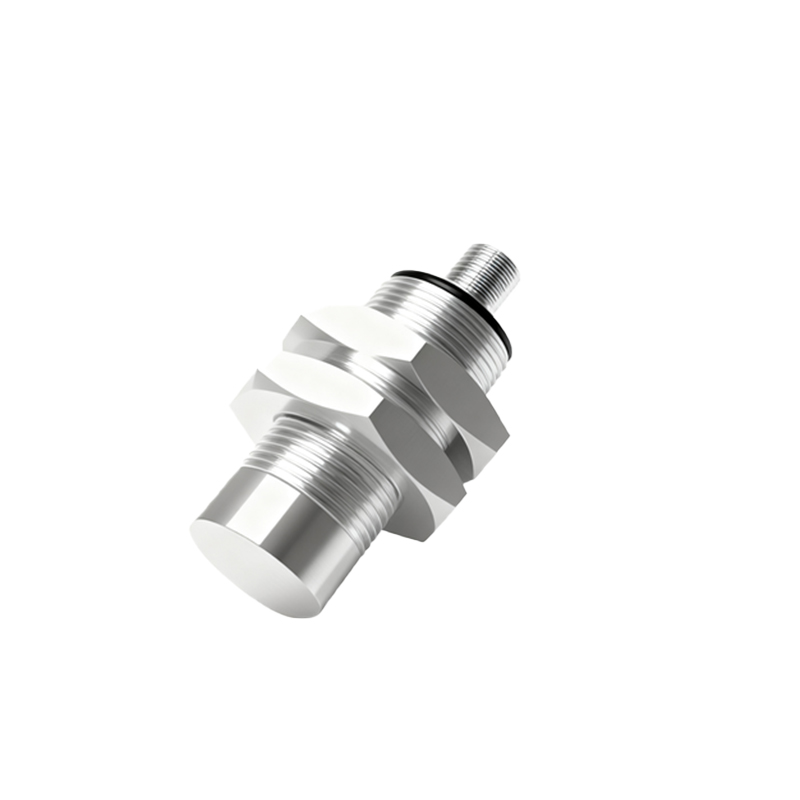
Looking toward the future, the role of proximity sensors in smart factories and Industry 4.0 is set to expand. Modern sensors are increasingly equipped with IO-Link communication capabilities. This digital protocol allows for bidirectional data exchange. Beyond just sending a detection signal, an IO-Link sensor can transmit detailed diagnostic information—such as its operating temperature, signal strength, or remaining service life—to a central control system. This enables predictive maintenance, where potential sensor failures can be addressed before they cause downtime. Additionally, data from networks of sensors can be aggregated and analyzed to optimize entire production flows, identify inefficiencies, and facilitate real-time adjustments. The convergence of robust sensing technology with advanced data analytics is creating assembly lines that are not only automated but also intelligent, self-optimizing, and seamlessly connected.
In conclusion, the automated assembly empowered by proximity sensors is a cornerstone of modern manufacturing. It delivers a powerful combination of unwavering precision, exceptional efficiency, and robust quality control. As sensor technology continues to evolve with smarter features and enhanced connectivity, its integration will further drive the transformation of assembly processes, paving the way for more agile, responsive, and competitive manufacturing ecosystems worldwide.