Proximity sensors are integral components in modern automation, robotics, and safety systems, detecting the presence or absence of objects without physical contact. However, developing and testing systems that rely on these sensors often requires simulating their signals. This process is crucial for validating designs, troubleshooting issues, and training systems in controlled environments before real-world deployment. Signal simulation for proximity sensors involves replicating the electrical or digital output that a physical sensor would produce under specific conditions, enabling engineers and developers to work efficiently without needing actual hardware for every test phase.
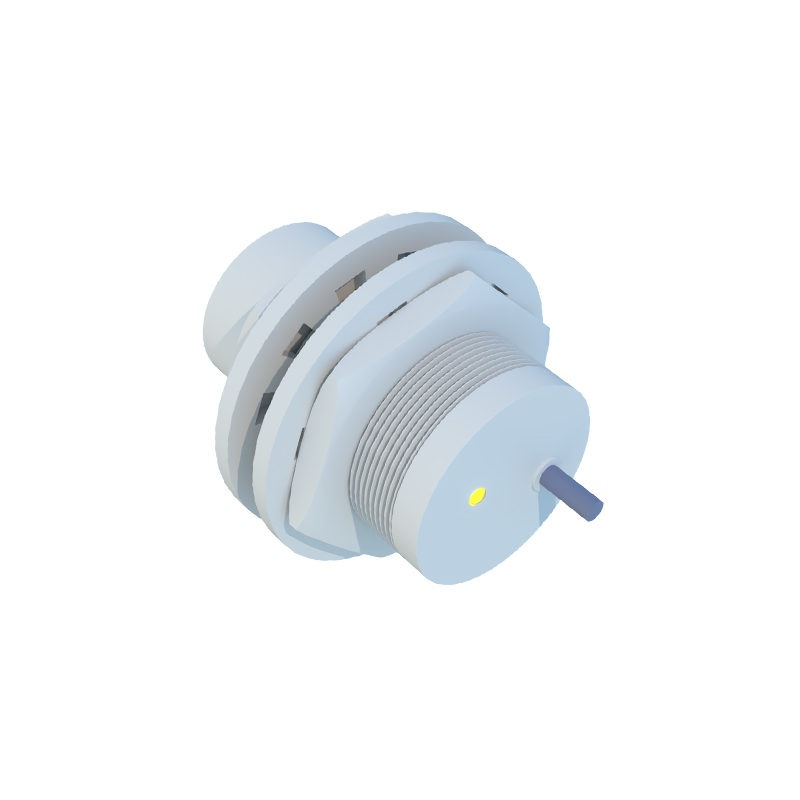
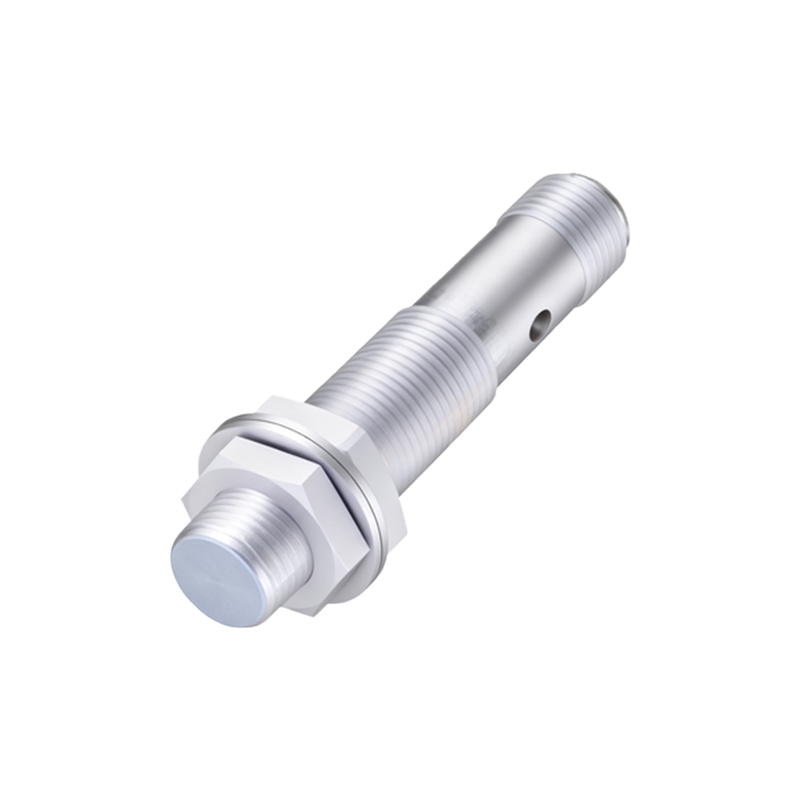
One primary technique for simulating proximity sensor signals is using programmable signal generators. These devices can produce analog voltage or current waveforms that mimic the output of sensors like inductive, capacitive, or photoelectric types. For instance, an inductive proximity sensor typically generates a DC voltage signal that switches between high and low states based on object detection. By configuring a signal generator to output a similar waveform with adjustable timing and amplitude, testers can evaluate how a control system responds to various detection scenarios, such as rapid object movement or intermittent presence. This method is particularly useful in industrial settings where sensor behavior under stress or failure modes must be analyzed without risking equipment damage.
Another common approach involves software-based simulation, often integrated with simulation platforms like MATLAB/Simulink, LabVIEW, or custom scripting in Python. These tools allow users to create virtual models of proximity sensors, incorporating parameters like sensing range, hysteresis, and response time. By simulating digital signals (e.g., TTL or PWM outputs), developers can interface with microcontrollers or PLCs to test logic and algorithms. For example, in automotive applications, simulating parking sensor signals helps calibrate alert systems by mimicking obstacles at different distances. Software simulations offer flexibility, enabling scenario testing that might be difficult or expensive to replicate physically, such as extreme temperatures or electromagnetic interference.
Hardware-in-the-loop (HIL) simulation takes this further by combining real hardware components with simulated signals. In HIL setups, a proximity sensor is replaced with an electronic emulator that injects simulated signals directly into a control unit. This technique is prevalent in aerospace and automotive industries, where safety-critical systems require rigorous validation. By simulating sensor faults—like short circuits or signal drift—engineers can assess system resilience and develop fail-safe mechanisms. HIL testing ensures that embedded software reacts correctly to sensor inputs, reducing development cycles and enhancing reliability.
Applications of proximity sensor signal simulation span multiple fields. In manufacturing, it aids in prototyping conveyor belt systems where sensors detect items for sorting or quality control. Simulating signals allows for optimizing sensor placement and timing without halting production lines. In robotics, simulation helps program robots to navigate environments by mimicking proximity feedback from ultrasonic or infrared sensors, crucial for autonomous operation. Consumer electronics also benefit; for instance, simulating hall effect sensor signals in smartphones enables testing of features like screen wake-on-approach without physical prototypes.
Best practices for effective simulation include calibrating simulated signals to match real sensor specifications, documenting test cases for reproducibility, and validating results against actual sensor data. Challenges may arise from environmental factors like noise or material properties, which can be incorporated into models for accuracy. As technology advances, trends like IoT integration are driving demand for more sophisticated simulation tools that can replicate networked sensor behaviors in smart systems.
In summary, proximity sensor signal simulation is a versatile practice that supports innovation across industries. By leveraging tools from basic signal generators to advanced software, professionals can enhance system design, ensure safety, and accelerate development, ultimately bridging the gap between theoretical models and real-world performance.