In the intricate world of industrial automation and electronic design, the humble proximity sensor wire core plays a pivotal, yet often overlooked, role. Far more than a simple conduit for electricity, the wire core is the critical lifeline that ensures the reliable transmission of signals from the sensor's sensing element to the control system. Its performance directly impacts the accuracy, stability, and longevity of the entire sensing application.
At its essence, the wire core within a proximity sensor cable is the central conductor, typically made from copper or a copper alloy due to its excellent electrical conductivity. This core can be configured as a single solid wire or, more commonly in flexible industrial cables, as a strand of multiple fine wires. Stranded cores offer superior flexibility and resistance to metal fatigue from repeated bending, making them ideal for dynamic applications on robotic arms, moving machine parts, or in cable carriers. The choice between solid and stranded core is one of the first critical decisions, balancing mechanical needs with electrical performance.
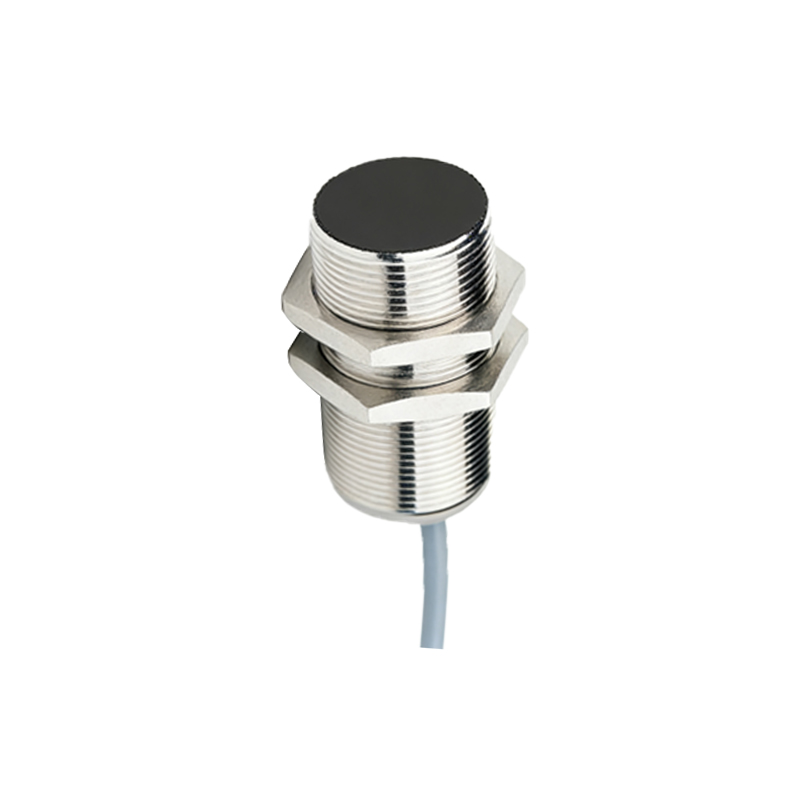
The material and construction of the wire core are paramount for signal integrity. Proximity sensors, especially inductive and capacitive types, generate relatively low-level analog or digital switching signals. A poor-quality core with impurities, inconsistent gauge, or high resistance can lead to voltage drop, signal attenuation, or electromagnetic interference (EMI). This might manifest as erratic sensor behavior, false triggering, or reduced sensing range. For analog sensors that provide a continuous current output (e.g., 4-20mA), a stable and precise core is even more crucial, as any resistance variation can be interpreted as a change in the measured distance.
Shielding is an inseparable companion to the wire core in most industrial proximity sensor cables. While the core carries the signal, a surrounding shield—usually a braided copper mesh or aluminum foil—protects that signal from external electromagnetic noise generated by motors, frequency drives, or power lines. The shield acts as a Faraday cage, diverting interference away from the inner core. For optimal performance, this shield must be properly grounded at the controller end. A high-quality core paired with an effective shield ensures the sensor's signal remains clean and unambiguous in electrically noisy environments.
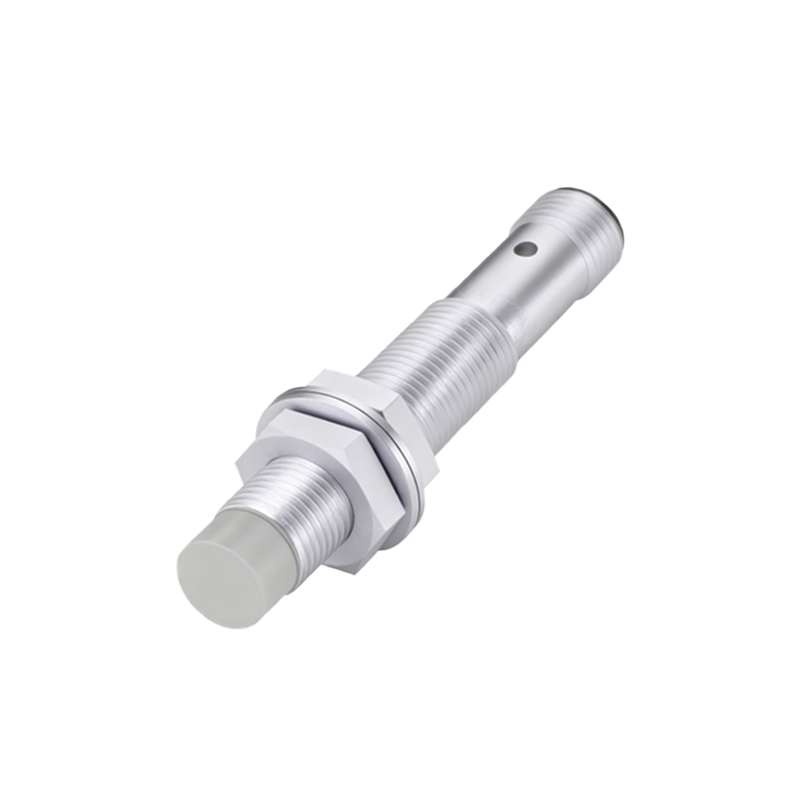
Environmental resilience is engineered into the wire core and its surrounding layers. The core itself may be plated with tin or silver to enhance corrosion resistance and solderability. It is then insulated with materials like PVC, PUR, or TPE. The choice of insulation is dictated by the operating environment: PVC for general use, oil-resistant PUR for machine tools, or highly flexible and abrasion-resistant TPE for severe conditions. In cables designed for continuous flexing, the core's stranding pattern and the insulation's elasticity are specially engineered to withstand millions of cycles without failure.
Selecting the right cable with the appropriate wire core is not an afterthought. It requires careful consideration of several application-specific factors:
Signal Type: Digital (ON/OFF) or analog (4-20mA, 0-10V) outputs have different tolerances for resistance and interference.
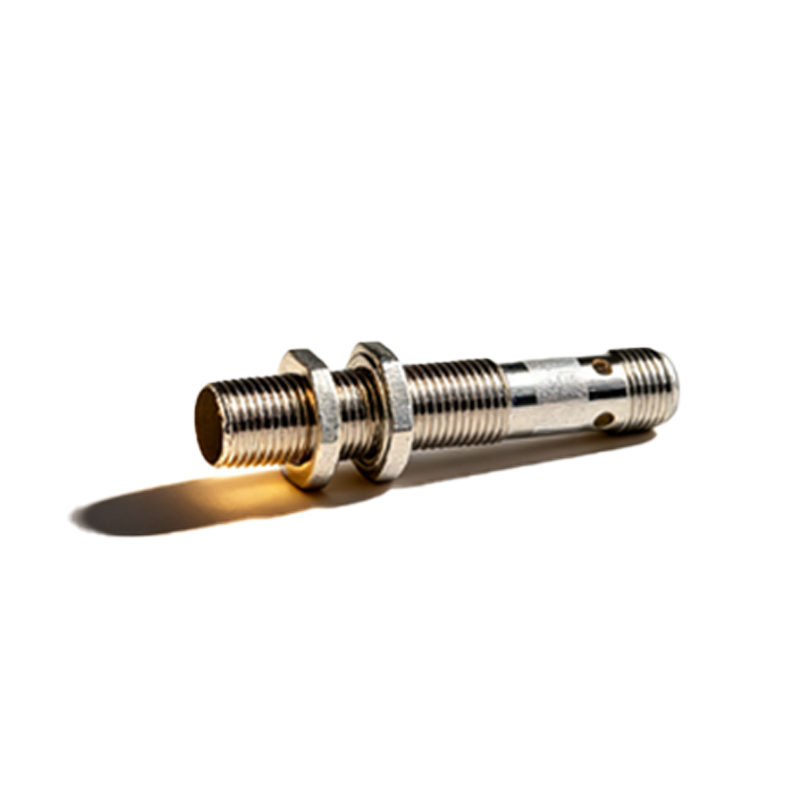
Flexibility Requirements: Static installation, occasional movement, or continuous flexing dictate the need for fine-stranded cores.
Environmental Hazards: Exposure to oils, chemicals, coolants, UV radiation, or extreme temperatures determines the necessary insulation and jacket material.
Electrical Noise: The presence of strong EMI sources mandates the use of a fully shielded cable with a high-coverage-rate braid.
Length: Longer cable runs increase resistance and capacitance, potentially requiring a larger core gauge (AWG) to minimize signal loss, especially for analog sensors.
In conclusion, the proximity sensor wire core is a masterpiece of focused engineering. It transcends its basic function to become a key determinant of system reliability. Specifying a sensor cable with a robust, correctly specified core—complemented by suitable shielding and jacket—is an investment in precision. It prevents costly downtime, ensures process consistency, and unlocks the full, accurate potential of the proximity sensor itself. Ignoring its specifications is a risk no system designer or maintenance engineer can afford to take in today's demand for high-precision automation.