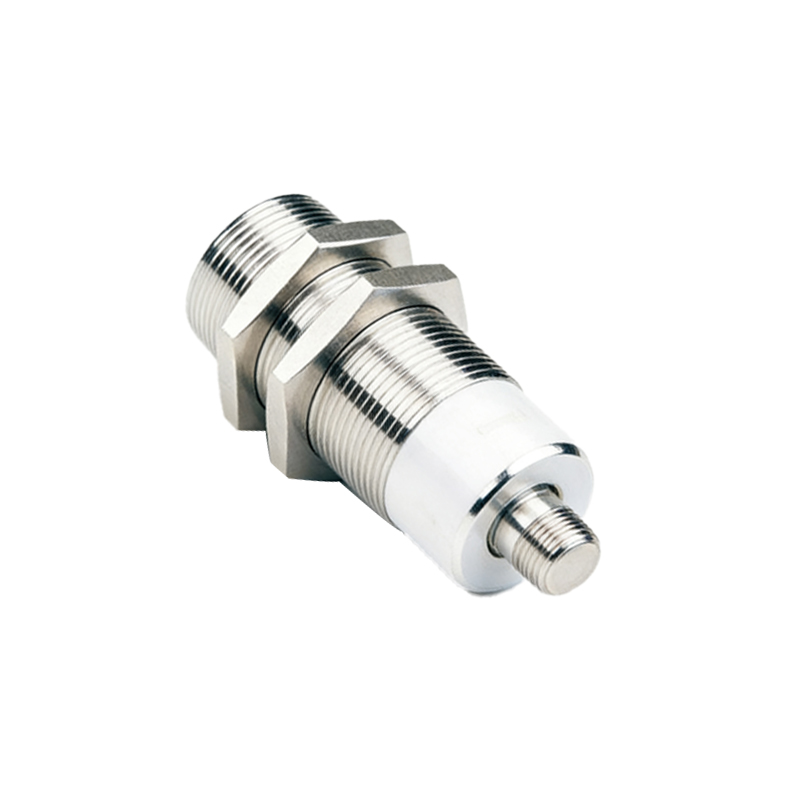
In industrial automation and machinery design, proximity sensors play a critical role in non-contact detection, object positioning, and process control. Among the various options available, the TL series of proximity sensors has established itself as a reliable and versatile solution for a wide range of applications. This article provides a detailed technical overview of the TL series, exploring its operating principles, key specifications, common models, and practical selection criteria.
The fundamental principle behind inductive proximity sensors, like many in the TL series, is electromagnetic induction. The sensor generates a high-frequency oscillating electromagnetic field from its active face. When a metallic target object enters this detection field, eddy currents are induced on the target's surface. This causes a change in the oscillation amplitude within the sensor's coil circuit. An internal evaluation circuit detects this change and triggers a solid-state switching output, signaling the presence of the object. This non-contact method ensures long operational life, high repeatability, and reliable performance even in harsh environments with dust, oil, or coolant mist.
Key specifications define the performance envelope of any proximity sensor, and the TL series is characterized by several important parameters. The sensing distance, typically rated for a standard mild steel target, is a primary consideration. Common TL models offer sensing ranges from 1mm to 15mm, with factors like target material, size, and shape influencing the effective range. The housing material, often nickel-plated brass or stainless steel in the TL line, determines resistance to mechanical stress and chemical exposure. Electrical characteristics are equally vital, including the operating voltage range (commonly 10-30V DC for DC models), output type (NPN or PNP, normally open or normally closed), and current rating. Many TL sensors feature short-circuit, overload, and reverse polarity protection, enhancing system robustness.
Several common model variants exist within the TL series to address specific application needs. The TL-N series often denotes standard cylindrical sensors with a threaded metal barrel, ideal for mounting in drilled and tapped holes. The TL-M models might feature a rectangular or block-style housing for applications where space is constrained in a particular dimension. Some TL variants are designed with extended sensing ranges (TL-L), while others are built with weld-field immunity (TL-W) to withstand the intense electromagnetic interference generated by resistance welding equipment. For hygienic or highly corrosive environments, specific TL models with FDA-compliant seals or full stainless-steel construction are available.
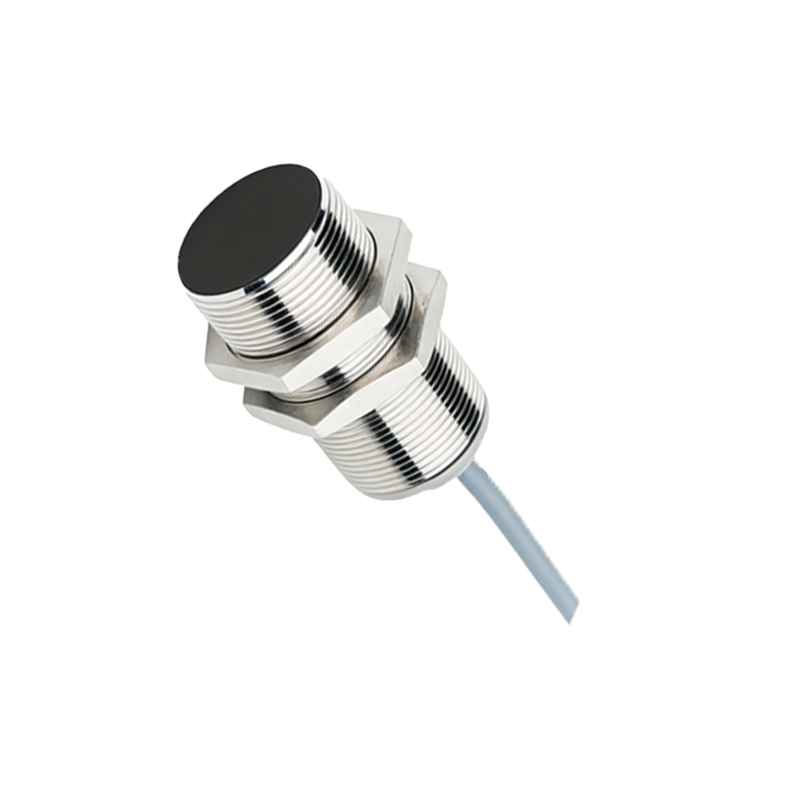
Selecting the correct TL proximity sensor requires a systematic evaluation of the application. First, identify the target material. Standard inductive TL sensors detect ferrous metals (like steel and iron) at their nominal range, while non-ferrous metals (aluminum, copper) are detected at a reduced range. For non-metallic object detection, a capacitive TL variant would be required. Next, determine the required sensing distance, adding a safety factor of 10-20% to account for mechanical tolerances and temperature drift. The physical installation space dictates the sensor's size and housing style—cylindrical or rectangular. Environmental factors are paramount: consider the presence of cutting fluids, washdown procedures, temperature extremes, or potential physical impacts to choose the appropriate housing material and ingress protection (IP) rating, such as IP67 or IP69K.
Electrical integration is the final step. Match the sensor's output configuration (NPN sinking or PNP sourcing) with the input card of the programmable logic controller (PLC). Ensure the power supply voltage is within the sensor's specified range. Proper wiring is essential; using shielded cables in electrically noisy environments and maintaining proper separation from high-voltage power lines can prevent erratic operation. Correct mounting is also crucial; flush-mountable sensors can be installed metal-surround, whereas non-flush models require a clear zone around the sensing face for proper operation.
In practice, TL series sensors are deployed across numerous industries. In automotive manufacturing, they count parts on conveyor lines or verify the position of robotic arms. In packaging machinery, they detect the presence of foil lids or metalized packaging. On CNC machine tools, they serve as homing switches or tool presence detectors. Their reliability and standardized form factors make them a preferred component for maintenance engineers and machine builders seeking to minimize downtime and ensure consistent production quality.
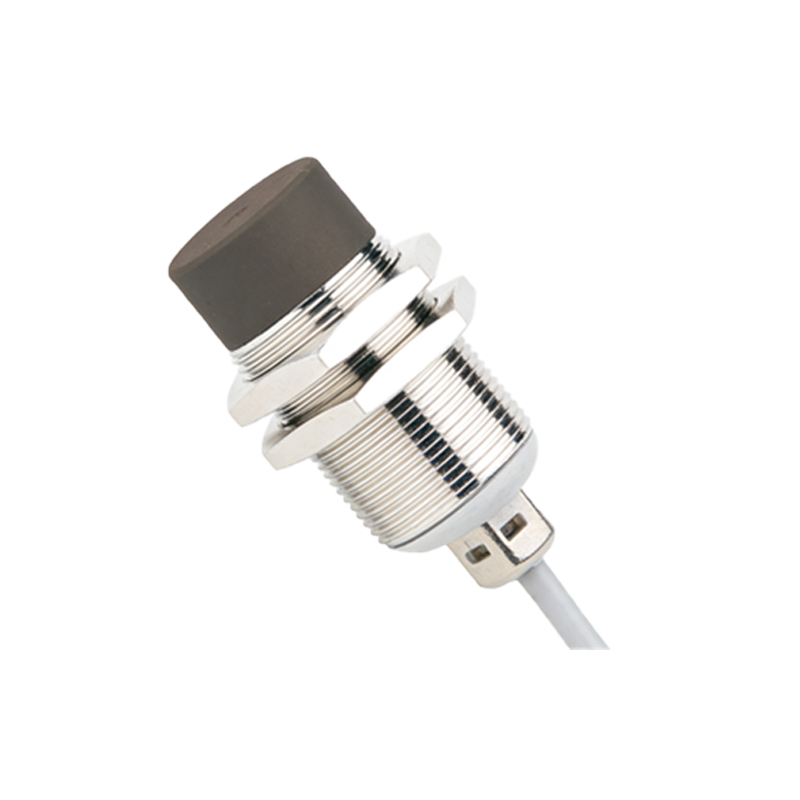
In conclusion, the TL series of proximity sensors offers a comprehensive portfolio for industrial sensing tasks. By understanding their inductive operating principle, carefully reviewing technical specifications like sensing distance, housing, and output type, and methodically applying selection criteria based on the target, environment, and electrical system, engineers can reliably integrate these components. This ensures optimal performance, contributing to efficient, safe, and automated industrial processes. Always consult the specific manufacturer's datasheet for the exact model under consideration, as specifications and model number suffixes can vary between producers.