In the realm of industrial automation, robotics, and smart machinery, proximity sensors are the silent sentinels. They detect the presence or absence of objects without physical contact, enabling precise control and safety. However, these sophisticated electronic components are often deployed in harsh environments where they face significant threats. This is where proximity sensor protective structures become not just an accessory, but a critical component for system reliability and longevity. A well-designed protective structure shields the sensor from physical damage, environmental contaminants, and electromagnetic interference, ensuring consistent and accurate operation.
The primary role of a protective structure is to create a barrier between the sensitive sensing face of the proximity sensor and its operating environment. Common threats include mechanical impact from moving parts or tools, abrasion from conveyed materials, and accumulation of dust, chips, coolants, or other process debris. In washdown environments common in food and beverage or pharmaceutical industries, protection against high-pressure water and chemical cleaning agents is paramount. The design must therefore balance robust protection with minimal interference to the sensor's effective sensing range and field.
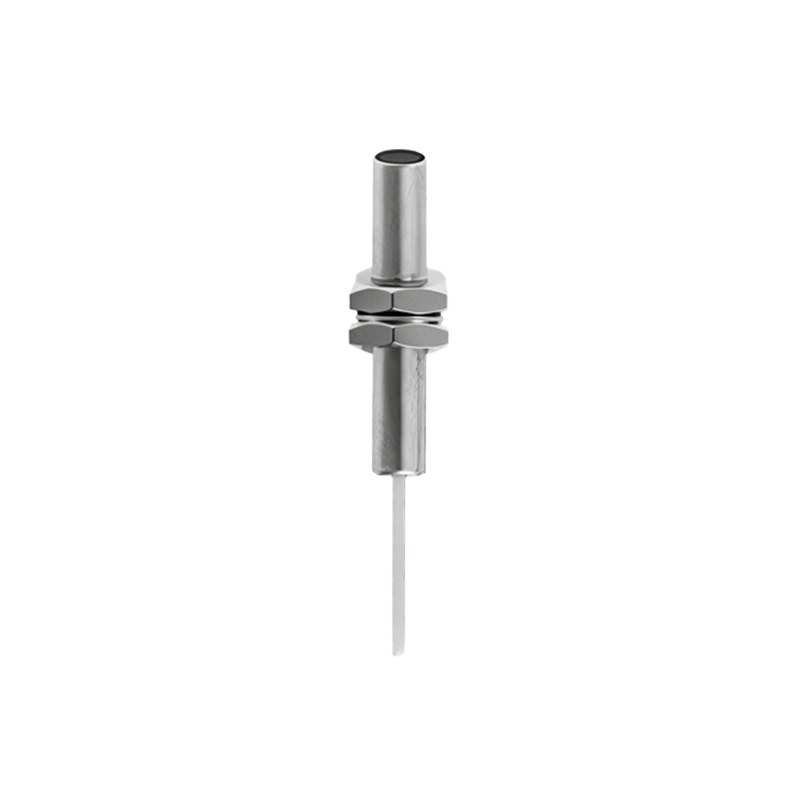
Material selection is the cornerstone of an effective protective structure. Engineers must consider factors like chemical resistance, impact strength, temperature tolerance, and, crucially, the material's effect on the sensor's electromagnetic or capacitive field. For inductive proximity sensors, which detect metallic objects, non-metallic materials are typically used. Engineering plastics such as PBT (Polybutylene Terephthalate), PEEK (Polyether Ether Ketone), or UHMW-PE (Ultra-High-Molecular-Weight Polyethylene) offer excellent durability and chemical resistance. For capacitive sensors or in applications requiring extreme toughness, stainless steel or aluminum housings with a protective coating on the sensing window are employed. The sensing window itself may use specialized plastics or composites that are transparent to the sensor's field.
Design geometry is equally critical. A common and highly effective design is the "bumper" or "horn" style protector. This structure extends in front of the sensor face, taking the brunt of any direct impact. Its tapered design can help deflect objects and prevent material buildup. Another design is the flush-mounted housing, which allows the sensor to be installed flush with a machine surface, protecting it from side impacts. For sensing in tight spaces, low-profile protectors are used. Ventilation or drainage holes might be incorporated to prevent pressure buildup or fluid entrapment, but these must be designed carefully to avoid allowing contaminants to reach the sensor.
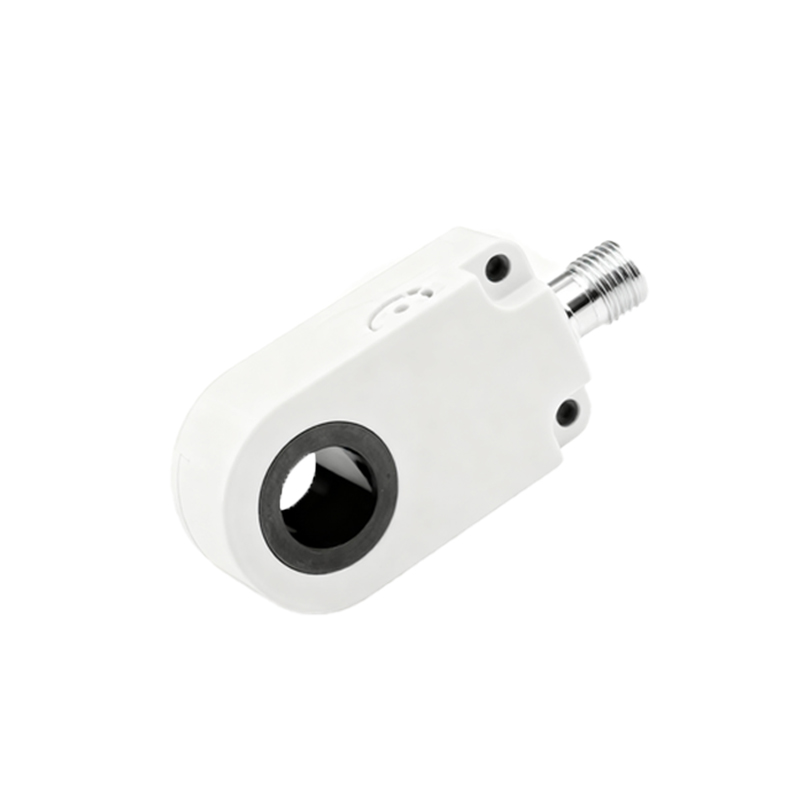
The integration of the protective structure with the sensor body must be secure and sealed. Many protectors feature threaded designs for easy mounting and O-ring seals to achieve specific Ingress Protection (IP) ratings, such as IP67 or IP69K. These ratings certify the assembly's resistance to dust and high-pressure water jets, which is a key requirement for procurement in many industries. It is vital that the protector does not loosen due to vibration, a common cause of failure in industrial settings. Locknuts, thread-locking adhesives, or integrated locking collars are standard solutions.
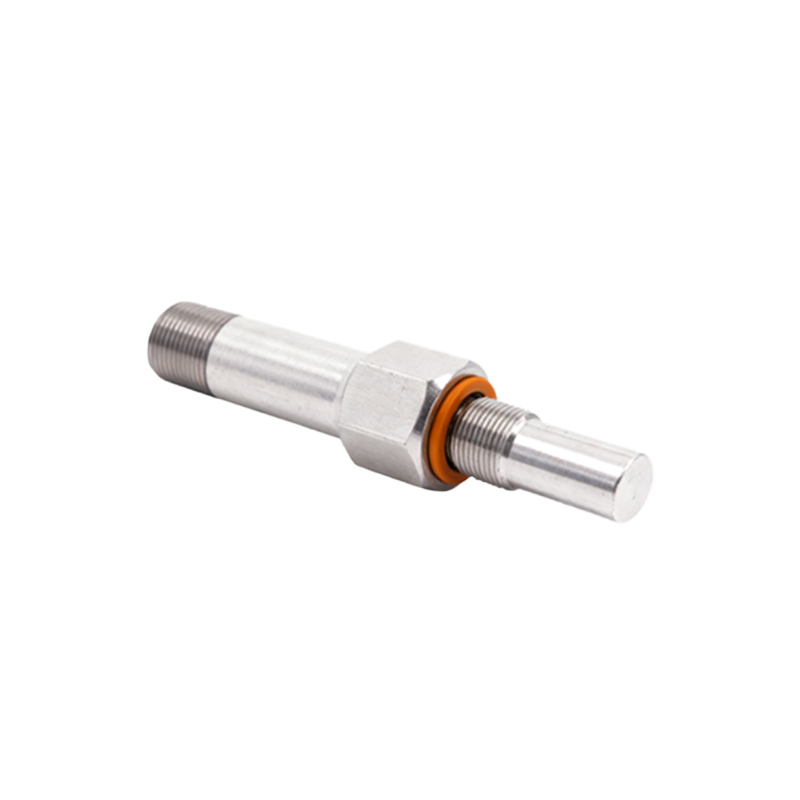
Beyond physical protection, some structures are designed to manage the sensing field. For instance, "focusing" rings or shields can be used to narrow the sensing field of a capacitive sensor, preventing it from detecting a background object like a conveyor belt. Conversely, "extending" rings can slightly amplify the range for specific applications. These functional add-ons demonstrate how protective structures have evolved from simple bumpers to performance-tuning components.
In application, the choice is vast. On automated guided vehicles (AGVs), proximity sensors with rugged guards prevent collisions with infrastructure. In metal stamping presses, heavy-duty steel protectors guard sensors that monitor die position against flying scale and tremendous force. In packaging lines, FDA-compliant plastic shields protect sensors from product spillage and frequent washdowns. The result is reduced downtime, lower maintenance costs through fewer sensor replacements, and enhanced overall equipment effectiveness (OEE).
Ultimately, specifying a proximity sensor without considering its protective needs is an incomplete engineering practice. The protective structure is an integral part of the sensing system. By understanding the environmental challenges, selecting appropriate materials like chemical-resistant polymers or hardened metals, and applying thoughtful design principles for impact resistance and sealing, engineers can ensure that these critical sensing devices perform reliably for years. This proactive approach to protection safeguards not only the sensor but also the productivity and safety of the entire automated process.