In the rapidly evolving landscape of electronic components, the demand for miniaturization and seamless integration has never been higher. Among the key innovations driving this trend are ultra-thin proximity sensors. These sophisticated devices, often measuring less than a millimeter in thickness, are fundamentally changing how machines interact with their environment and users. Unlike their bulkier predecessors, these slim sensors can be discreetly embedded into the slimmest of devices, from smartphones and tablets to wearable technology and advanced automotive interiors, without compromising on performance or sensitivity.
The core technology behind these sensors typically involves infrared (IR), capacitive, or inductive sensing principles, meticulously engineered into an exceptionally thin form factor. An IR-based ultra-thin proximity sensor, for instance, emits an invisible beam of light. When an object comes within a predetermined range, the light reflects back to a receiver within the same compact module. The sensor's microcontroller then calculates the distance based on the time or intensity of the reflected signal. This entire process happens within a package that is astonishingly slim, enabling its placement under delicate displays or within the bezels of modern gadgets.
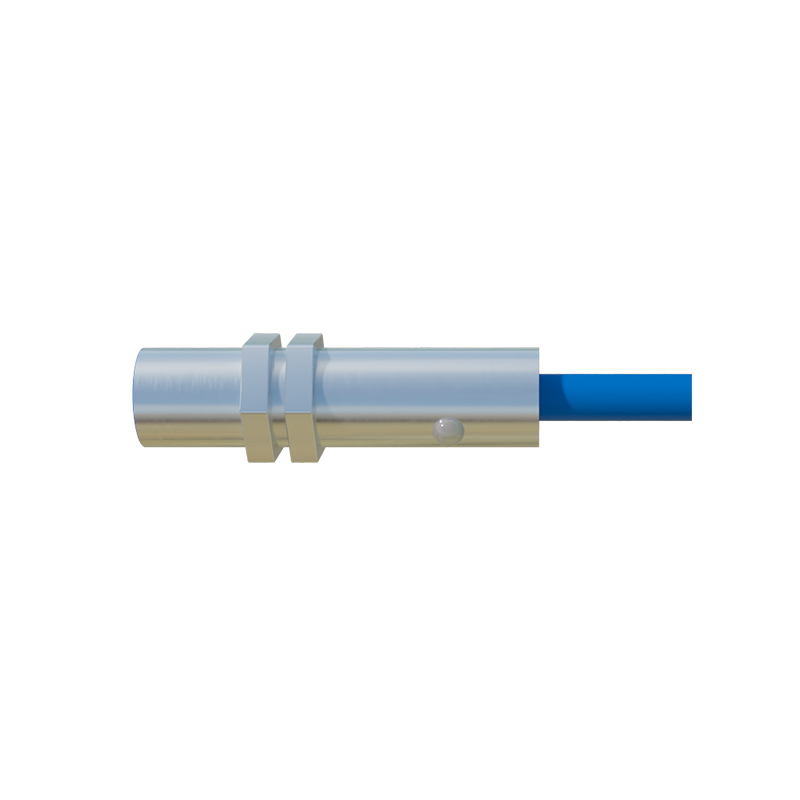
The applications are vast and transformative. In consumer electronics, ultra-thin proximity sensors are indispensable. They enable features like automatic screen turn-off during phone calls when the device is held to the ear, conserving battery life. In ultra-slim laptops and tablets, they facilitate intelligent power management by detecting when a user is present. The automotive industry leverages these sensors for enhanced safety and user experience, integrating them into touch-sensitive dashboards, gesture-controlled infotainment systems, and as part of advanced driver-assistance systems (ADAS) for object detection in tight spaces.
Furthermore, the rise of the Internet of Things (IoT) and smart home devices has created a perfect ecosystem for ultra-thin sensors. They can be embedded into the surface of appliances, light switches, and security panels, allowing for touchless control and presence detection while maintaining aesthetic purity. In industrial settings, their slim profile allows for installation in confined spaces on production lines for precise object counting, positioning, and machine guarding.
Manufacturing these sensors presents significant engineering challenges. Achieving high sensitivity and accuracy while reducing thickness requires breakthroughs in materials science, micro-electro-mechanical systems (MEMS) fabrication, and circuit design. Engineers must carefully manage trade-offs between detection range, response time, power consumption, and physical size. Advanced materials like flexible substrates are also being explored, paving the way for sensors that can conform to curved surfaces, opening new possibilities in wearable health monitors and flexible displays.
The benefits extend beyond mere size. Ultra-thin proximity sensors often consume less power, a critical factor for battery-operated devices. Their low profile also contributes to more streamlined and aesthetically pleasing product designs. However, developers must also consider environmental factors such as resistance to ambient light interference (for optical sensors) and operational stability across varying temperatures and humidity levels.
Looking ahead, the trajectory for ultra-thin proximity sensors points toward even greater integration and intelligence. Future iterations may combine proximity sensing with other functionalities like ambient light detection or biometric scanning within a single, minuscule package. Research into novel sensing technologies, such as time-of-flight (ToF) principles implemented in ultra-thin formats, promises to deliver even higher accuracy for 3D gesture recognition and spatial awareness.
In conclusion, ultra-thin proximity sensors represent a critical enabler of modern design and functionality. By packing reliable detection capabilities into an almost invisible form, they allow designers and engineers to create more intuitive, efficient, and compact products across countless industries. As technology continues to push the boundaries of what is possible, these unassuming components will undoubtedly remain at the forefront, silently and sensitively bridging the gap between the digital and physical worlds.