Video laser sensors represent a cutting-edge fusion of optical imaging and laser measurement technologies, enabling high-precision, non-contact detection and analysis across various industries. Unlike conventional vision systems, these sensors integrate laser projection with high-resolution video capture, allowing for three-dimensional data acquisition in real-time. The core mechanism involves emitting a laser line or pattern onto a target surface. A synchronized camera then captures the deformation or displacement of this pattern, which is processed through triangulation algorithms to calculate precise depth, dimensions, or surface contours. This method significantly enhances accuracy, especially in dynamic or variable environments where traditional sensors may falter.
One of the standout features of video laser sensors is their exceptional resolution and speed. Capable of capturing thousands of data points per second with micron-level accuracy, they are ideal for applications demanding detailed inspection. In manufacturing, for instance, they are deployed for quality control on assembly lines, measuring component dimensions, detecting defects like cracks or deformities, and ensuring alignment in automotive or electronics production. The non-contact nature eliminates wear and tear, reducing maintenance costs and minimizing product damage during inspection.
Beyond industrial settings, video laser sensors find utility in robotics and automation. They provide robots with spatial awareness, enabling precise object recognition, sorting, and manipulation in logistics or packaging operations. In the field of civil engineering, these sensors assist in structural health monitoring by detecting minute shifts or cracks in bridges and buildings, contributing to preventive maintenance and safety. Additionally, agricultural sectors employ them for crop monitoring and yield estimation, using laser-scanned data to assess plant health and growth patterns.
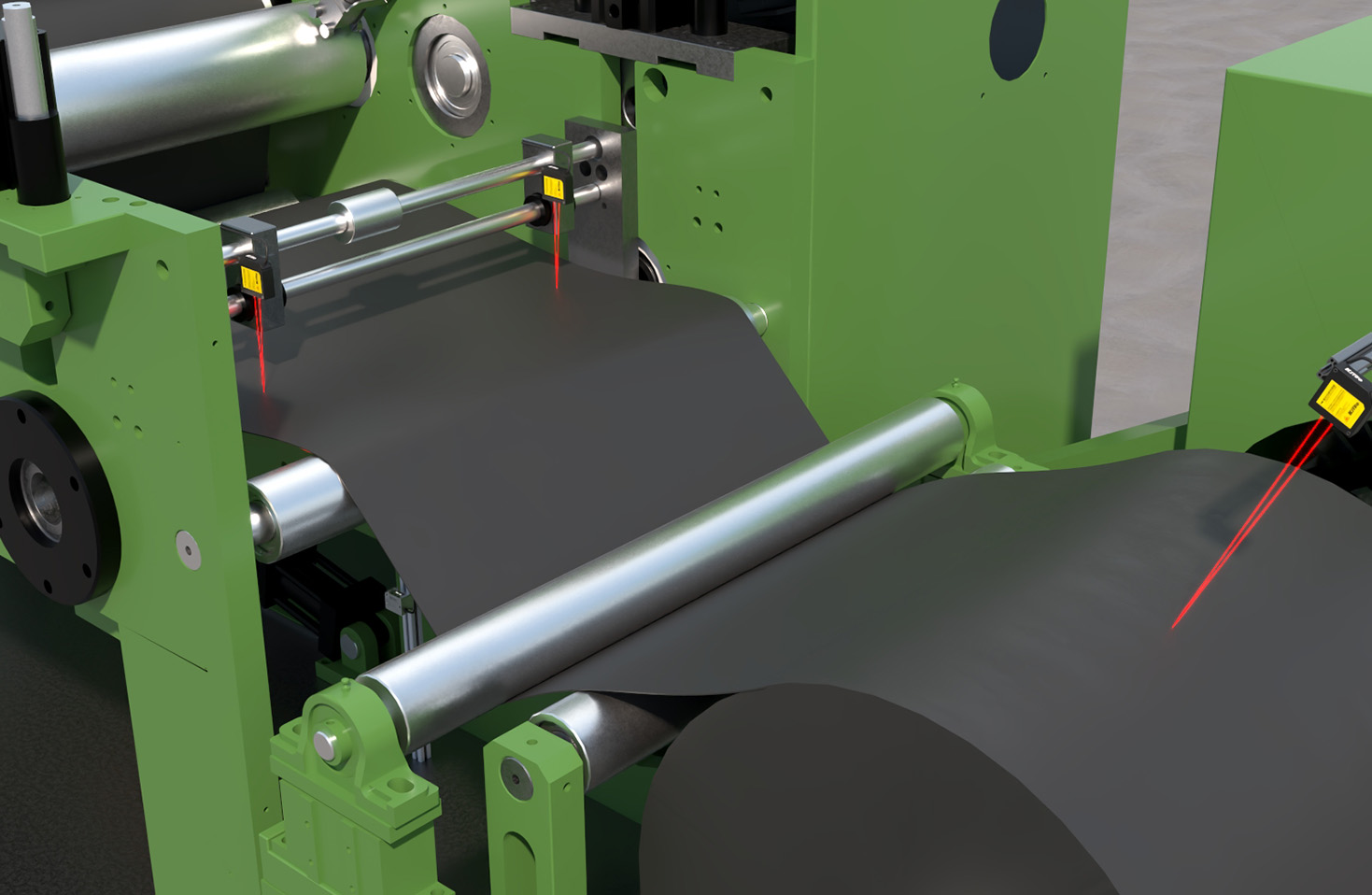
The technology also supports advancements in medical devices and research. In surgical instruments, video laser sensors aid in minimally invasive procedures by offering real-time feedback on tissue topography. Research laboratories utilize them for material analysis and biological sample imaging, where high precision is paramount. Environmental monitoring applications include tracking terrain changes or glacier movements, leveraging their ability to operate under diverse lighting conditions without external illumination.
Despite their advantages, implementing video laser sensors requires consideration of factors like environmental interference. Ambient light, reflective surfaces, or extreme temperatures can affect performance, necessitating protective housings or calibration adjustments. However, ongoing innovations in adaptive algorithms and multi-sensor integration are mitigating these challenges, enhancing robustness. Future trends point toward miniaturization and cost reduction, making the technology more accessible for small-scale enterprises and consumer electronics.
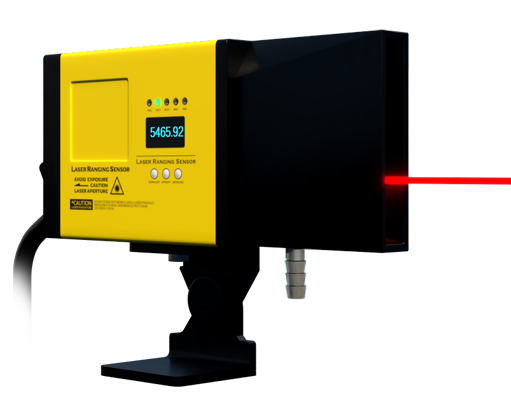
In summary, video laser sensors are revolutionizing precision measurement by combining laser accuracy with visual clarity. Their versatility spans from factory floors to scientific labs, driving efficiency and innovation. As technology evolves, these sensors are poised to become integral to smart systems, supporting automation and data-driven decision-making in an increasingly digital world.