In the realm of technology, certain advancements quietly revolutionize entire industries. The laser sensor, a cornerstone of modern measurement and detection, is experiencing such a moment. Its capabilities are not just evolving; they are fundamentally "lighting up" new pathways for innovation, safety, and efficiency across diverse fields. This illumination signifies a leap from being a specialized tool to a ubiquitous enabler of smarter systems.
At its core, a laser sensor operates by emitting a focused beam of light and analyzing the reflected signal. The time it takes for the light to return, changes in its phase, or alterations in its intensity are measured with extraordinary accuracy. This simple principle belies immense complexity and power. Modern iterations have achieved unprecedented levels of precision, speed, and robustness, allowing them to function reliably in environments that were once prohibitive—from the dusty floor of a manufacturing plant to the vacuum of space.
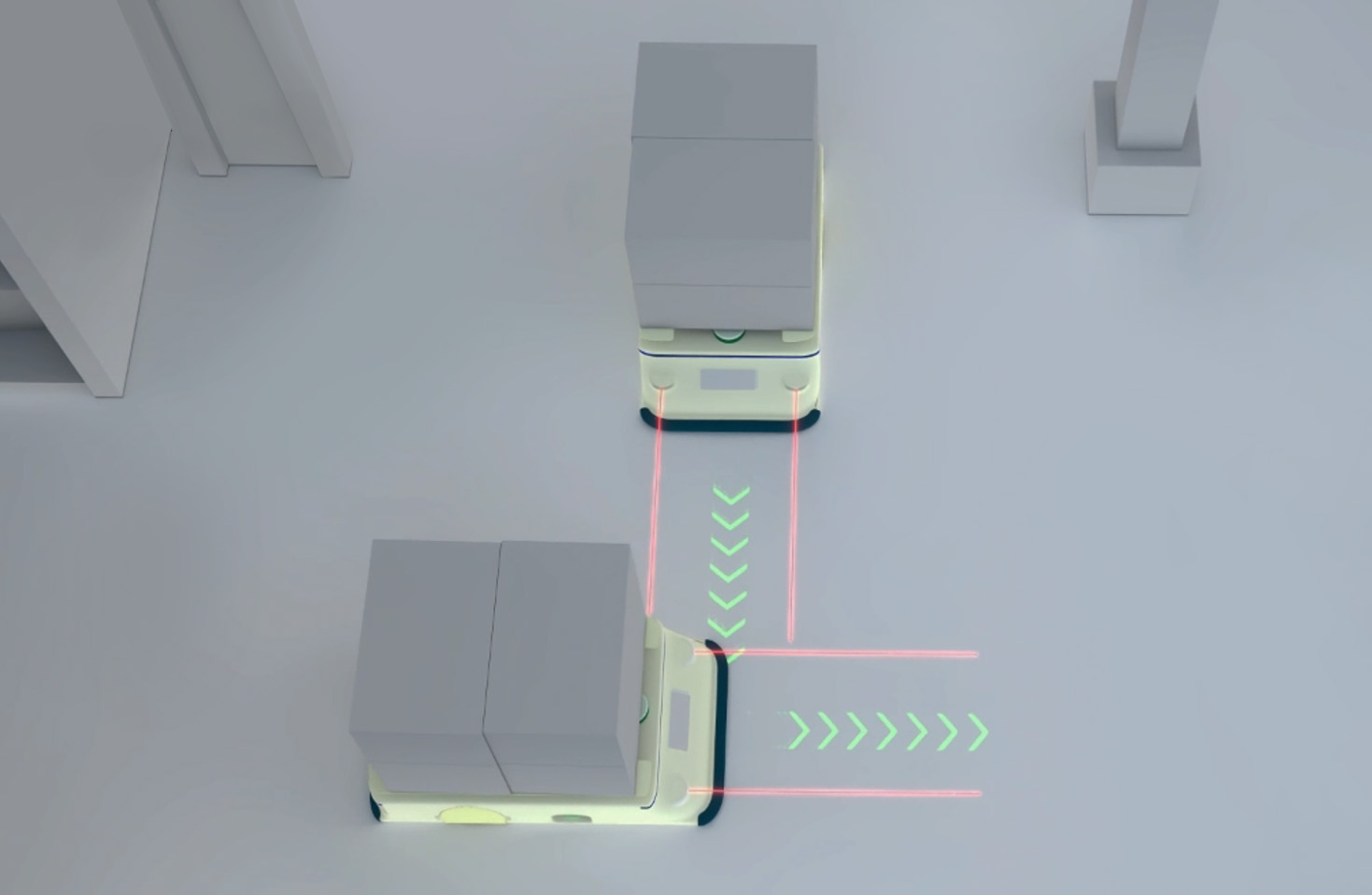
The impact is profoundly visible in industrial automation and robotics. Here, laser sensors act as the eyes of machines. They enable precise non-contact measurement of dimensions, ensuring every component on an assembly line meets exact specifications without physical wear. In logistics, they guide autonomous mobile robots through dynamic warehouses, detecting obstacles and navigating with centimeter-level accuracy, optimizing supply chains 24/7. The "light" from these sensors creates a real-time digital map of the physical world, allowing machines to interact with it intelligently and autonomously.
Beyond the factory, this illumination is enhancing safety and awareness. In the automotive sector, LiDAR (Light Detection and Ranging) sensors, a sophisticated form of laser sensing, are pivotal for advanced driver-assistance systems (ADAS) and autonomous vehicles. They paint a high-resolution, three-dimensional picture of the vehicle's surroundings, detecting pedestrians, cyclists, and other vehicles in all weather conditions, day or night. This capability is literally lighting the way toward a future with drastically reduced traffic accidents.
The reach extends into environmental monitoring and scientific research. Laser sensors mounted on satellites or aircraft measure atmospheric composition, track deforestation, and map terrain with stunning detail. They can detect minute concentrations of pollutants or greenhouse gases, providing critical data for climate science. In archaeology, ground-penetrating LiDAR has "lit up" lost cities beneath dense jungle canopies, revealing historical secrets without disturbing a single stone.
Furthermore, the consumer electronics and healthcare sectors are beginning to harness this light. From the facial recognition systems that use dot-projector lasers to map unique features securely, to medical devices that employ laser sensors for non-invasive monitoring of vital signs or for guiding ultra-precise surgical tools, the technology is becoming more integrated into daily life. It offers new paradigms for security, convenience, and personal health management.
The convergence of improved laser diode technology, advanced photodetectors, and powerful, compact processing algorithms is the fuel for this bright future. Costs are decreasing while performance soars, democratizing access to high-precision sensing. The next frontier involves the integration of laser sensor data with artificial intelligence and the Internet of Things (IoT). This synergy will create systems that not only perceive the world with laser-sharp clarity but also interpret, learn, and predict, leading to truly adaptive and intelligent environments.
In conclusion, the phrase "the laser sensor illuminates" is more than a statement about a device turning on. It symbolizes a paradigm shift. The technology is shedding light on previously opaque processes, illuminating paths to greater precision, safety, and understanding. As it continues to evolve and permeate every corner of our technological landscape, the laser sensor stands as a brilliant beacon, guiding us toward a more measured, efficient, and insightful future. Its light, once a narrow beam, is now a wide-reaching glow, revealing possibilities we are only beginning to explore.