In the realm of industrial automation and machine control, the ability to detect the presence or absence of metallic objects without physical contact is paramount. This is where the inductive type proximity sensor excels. Operating on a fundamental principle of electromagnetic induction, these robust and reliable devices have become a cornerstone in countless applications, from assembly lines to safety systems. Unlike optical or capacitive sensors, inductive sensors are specifically designed to detect ferrous and non-ferrous metals, making them indispensable in harsh, dirty environments where other technologies might fail.
At the heart of an inductive proximity sensor lies a coil wound around a ferrite core, which forms part of an oscillator circuit. When an alternating current is passed through this coil, it generates an oscillating electromagnetic field that radiates from the sensor's active face. In the absence of a metallic target, the oscillator operates at a constant amplitude. However, when a conductive metal object enters this alternating magnetic field, eddy currents are induced on the surface of the target. These eddy currents create their own magnetic field, which opposes the original field generated by the sensor coil. This opposition results in a loss of energy or a "damping" effect within the oscillator circuit. The sensor's electronics monitor this change in oscillation amplitude. Once the damping reaches a predetermined threshold, the sensor's output state switches, signaling the detection of an object.
This working principle grants inductive proximity sensors several key characteristics. First is their non-contact nature, which eliminates mechanical wear and tear, ensuring a long operational life. They are renowned for their high switching frequency, allowing them to detect objects at very high speeds—a critical feature in fast-paced manufacturing. Furthermore, they are exceptionally resistant to environmental factors. Being fully encapsulated, they are immune to dust, dirt, oil, and moisture. They are not affected by ambient light, making them ideal for use where optical sensors would be blinded. The sensing range, however, is a fixed characteristic dependent on the sensor's size and design, typically ranging from a few millimeters to about 60 millimeters. It's important to note that the sensing distance can vary slightly depending on the type of metal; steel is typically detected at the nominal range, while metals like aluminum or copper may reduce the effective sensing distance due to differences in conductivity and permeability.
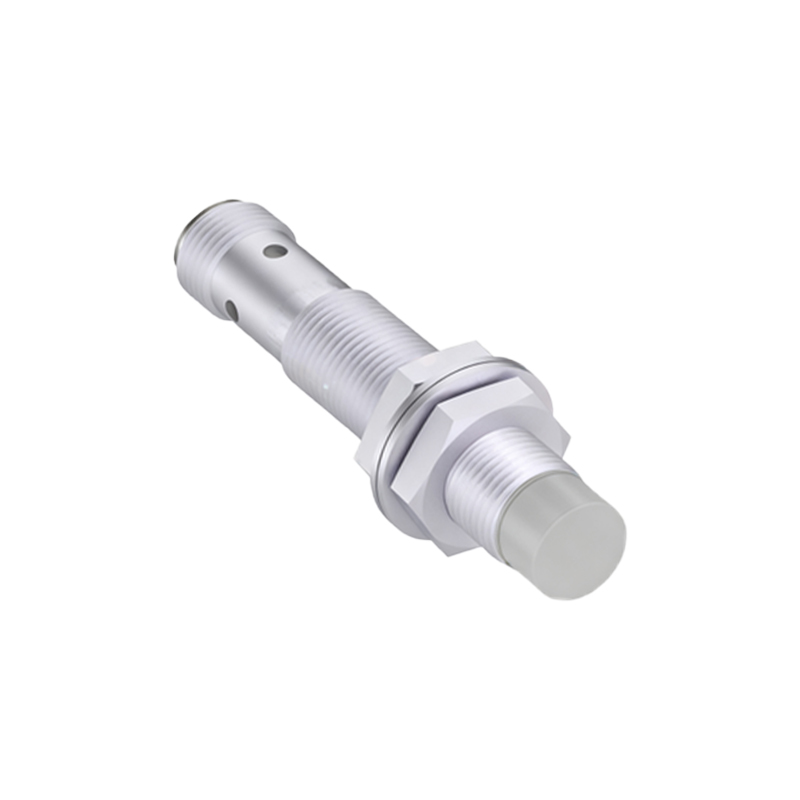
The applications for inductive type proximity sensors are vast and varied. A primary use is as a limit switch or position sensor. They can verify if a robotic arm has reached its home position, confirm the closure of a safety door, or count metallic parts on a conveyor belt. In the automotive industry, they monitor the position of cylinders, detect gear teeth, and ensure components are present before a welding or assembly operation. Within packaging machinery, they ensure proper filling levels by detecting metal lids or containers. Their robustness also makes them perfect for harsh environments like metalworking, where coolant and metal chips are prevalent. They are extensively used in material handling to control the positioning of cranes and elevators by detecting metal flags or cams.
When selecting an inductive proximity sensor, several factors must be considered. The required sensing distance, the target material and size, the operating voltage (commonly 10-30V DC or 20-250V AC), and the output type (PNP/NPN transistor or relay) are crucial. The housing material is also vital; sensors with nickel-plated brass or stainless steel housings are chosen for corrosive environments. Additionally, form factors like cylindrical barrels, rectangular blocks, or ring-shaped sensors are available for different mounting constraints.
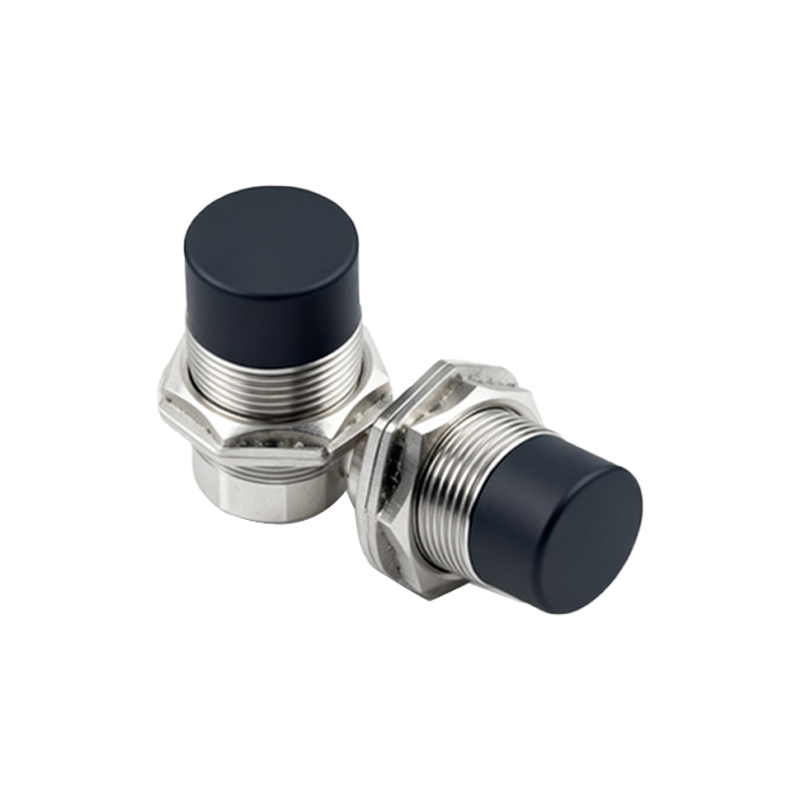
In summary, the inductive type proximity sensor is a workhorse of industrial sensing. Its simple yet effective electromagnetic principle provides a reliable, maintenance-free solution for metallic object detection. By offering high speed, environmental immunity, and unwavering reliability, it continues to be the sensor of choice for engineers designing systems that demand precise, non-contact detection of metal in the most demanding conditions. Its evolution continues with miniaturization, improved sensing ranges, and integration into smart sensor networks, securing its role in the future of industrial automation.