Long stroke proximity sensors represent a significant advancement in industrial automation, offering extended detection ranges that traditional sensors cannot achieve. These non-contact devices utilize various technologies including inductive, capacitive, ultrasonic, and magnetic principles to detect objects at distances typically ranging from 50mm to over 300mm, with specialized models reaching several meters. Unlike standard proximity sensors limited to short ranges, long stroke variants maintain consistent performance across their entire sensing distance, making them indispensable for applications requiring flexible positioning or large movement tolerances.
The operational principle varies by technology type. Inductive long stroke sensors generate electromagnetic fields to detect metallic objects, with sensing distances proportional to coil size and oscillator design. Capacitive versions detect both metallic and non-metallic materials by measuring changes in electrostatic capacitance, particularly useful for liquid level sensing or plastic material detection. Magnetic long stroke sensors employ permanent magnets and Hall effect or magnetoresistive elements, ideal for hydraulic cylinder position feedback in harsh environments. Ultrasonic models calculate distance by measuring time-of-flight of sound waves, excelling in transparent or irregularly shaped object detection.
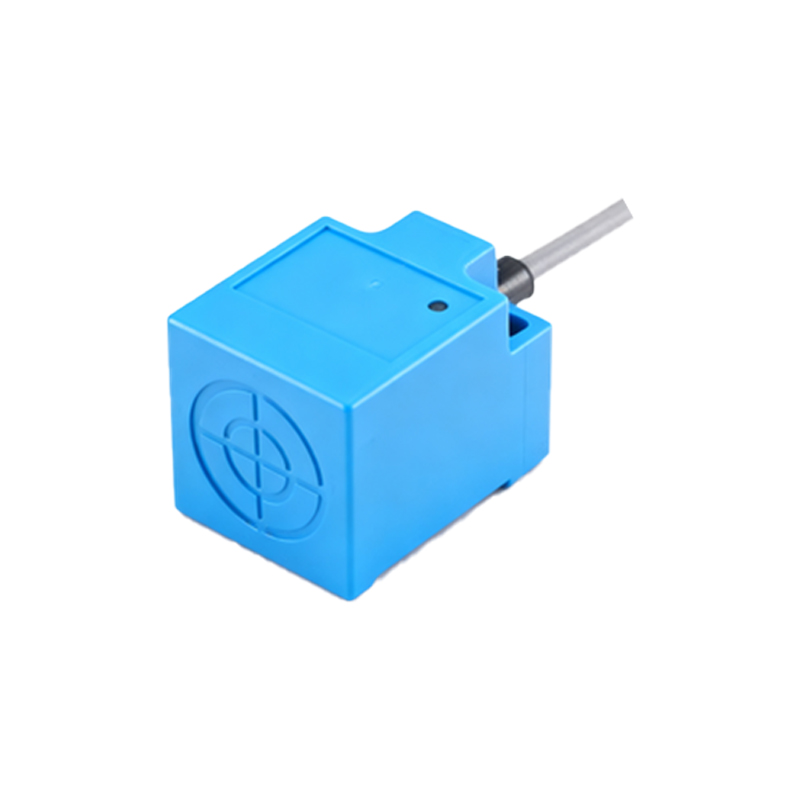
Industrial applications span numerous sectors. In automotive manufacturing, these sensors monitor robotic arm extensions and verify door panel alignments during assembly. Packaging machinery utilizes them to detect product presence on conveyor systems with varying product heights. Material handling equipment employs long stroke sensors for pallet positioning and crane hook height control. Agricultural machinery integrates them for implement position feedback, while renewable energy systems use them for solar panel tracking and wind turbine blade pitch control.
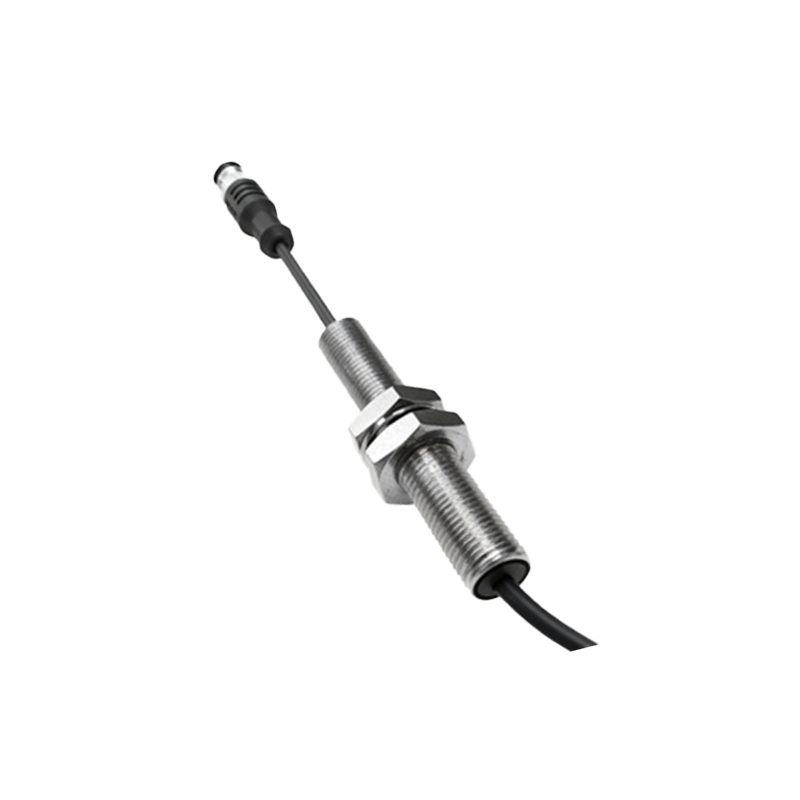
Selection criteria for long stroke proximity sensors involve multiple considerations. Environmental factors including temperature extremes, humidity, vibration, and exposure to chemicals dictate housing material and protection ratings, with IP67 and IP69K being common for washdown environments. Electrical requirements encompass supply voltage ranges (typically 10-30V DC or 90-250V AC), output types (PNP/NPN, analog, IO-Link), and current capacity. Mechanical specifications include housing style (cylindrical, rectangular, slot-type), mounting configurations, and connector types. Response time, typically ranging from 0.5ms to 20ms depending on technology, determines suitability for high-speed applications.
Installation best practices ensure optimal performance. Maintaining proper clearance from metal surfaces prevents false triggering, with manufacturer recommendations typically specifying minimum distances. Alignment between sensor and target must be maintained within specified angular tolerances. Electrical wiring should follow EMI/RFI guidelines, with shielded cables recommended for analog signals in electrically noisy environments. Regular maintenance involves cleaning sensing faces, verifying mounting integrity, and checking for mechanical damage to cables or connectors.
Recent technological developments have enhanced long stroke sensor capabilities. Smart sensors with IO-Link communication provide diagnostic data including temperature monitoring, signal strength indicators, and contamination warnings. Advanced algorithms compensate for temperature drift and material variations, while redundant designs improve reliability in safety-critical applications. Miniaturization trends allow longer sensing ranges in smaller housings, with M8 and M12 connectors becoming standard for compact installations.
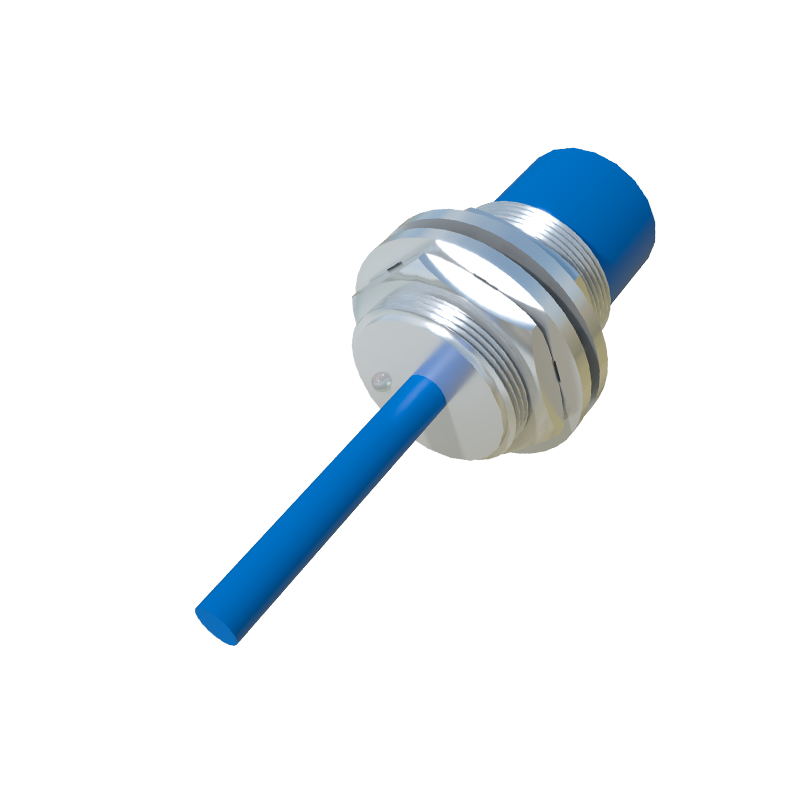
Comparative analysis reveals distinct advantages over alternative technologies. Compared to limit switches, long stroke proximity sensors offer wear-free operation, higher switching frequencies, and better resistance to contamination. Versus photoelectric sensors, they demonstrate superior performance in dirty environments with dust, oil mist, or steam. Against LVDT sensors, they provide simpler installation and lower cost while maintaining adequate precision for most industrial positioning tasks.
Future trends indicate increasing integration with Industry 4.0 systems through embedded intelligence and wireless connectivity. Energy harvesting designs are emerging for battery-free operation, while improved materials enhance durability in extreme temperatures exceeding 150°C. Standardization efforts aim to unify performance testing methodologies across manufacturers, facilitating easier comparison and selection for end users.
Implementation examples demonstrate practical benefits. A steel processing plant reduced downtime by 23% after replacing mechanical limit switches with inductive long stroke sensors on coil handling equipment. A food processing facility improved filling accuracy by 15% using capacitive long stroke sensors for powder level detection in silos. An automated warehouse increased retrieval speed by 30% through ultrasonic long stroke sensors guiding shuttle cart positioning.
Proper troubleshooting addresses common issues. False triggering often results from sensor interference, requiring increased separation between units or installation of shielding. Reduced sensing distance may indicate contamination buildup or voltage fluctuations. Intermittent operation frequently stems from cable damage or connector corrosion. Most modern sensors incorporate LED indicators showing power status, output activation, and fault conditions to simplify diagnostics.
Industry standards and certifications ensure reliability. IEC 60947-5-2 defines performance requirements for proximity sensors, while ATEX and IECEx certifications cover explosive atmosphere applications. SIL ratings according to IEC 61508 apply to safety-related implementations, with SIL 2 commonly available for position monitoring in safety systems.
Economic considerations reveal compelling ROI. Although initial costs exceed conventional sensors, reduced maintenance, fewer production stoppages, and longer service life typically deliver payback periods under 12 months