Laser sensors have become integral components across numerous industries, from manufacturing and robotics to autonomous vehicles and consumer electronics. At the heart of their functionality lie laser sensor commands—specific instructions that dictate how these devices operate, communicate, and process data. This article delves into the nature of these commands, their common types, and their pivotal role in enabling precision and automation.
Laser sensors operate by emitting a focused beam of light and measuring the reflection to determine distance, presence, or characteristics of an object. Commands sent to these sensors typically originate from a central controller, such as a programmable logic controller (PLC), microcontroller, or computer. These instructions are often transmitted via standard communication protocols like UART, I2C, SPI, or industrial networks such as EtherCAT or PROFINET. The commands themselves are usually formatted as binary or ASCII strings, containing specific codes that the sensor's firmware is programmed to interpret.
Common laser sensor commands can be broadly categorized into several functions. Configuration commands set parameters like measurement range, response time, output type (digital or analog), and sensitivity thresholds. For instance, a command might adjust the sensor to ignore background reflections beyond a certain distance. Measurement initiation commands trigger single or continuous readings, while data retrieval commands request the sensor to send back measured values, such as distance in millimeters or a binary detection signal. Calibration commands are used to zero the sensor or align it with a reference surface, ensuring long-term accuracy. Additionally, diagnostic commands query the sensor's health status, such as internal temperature, laser diode condition, or error logs, facilitating predictive maintenance.
In industrial automation, laser sensor commands enable precise control. On a production line, a sensor might receive a command to detect the height of components on a conveyor belt. If an object is out of tolerance, the sensor sends a signal to a robotic arm, which then removes the faulty item. This sequence relies on a well-timed command chain: configure sensor, start measurement, evaluate data, and trigger action. In autonomous vehicles, laser sensors (LiDAR) use rapid command cycles to scan the environment, creating real-time 3D maps. Commands here manage scan patterns, filter noise from rain or fog, and integrate with other sensors like cameras.
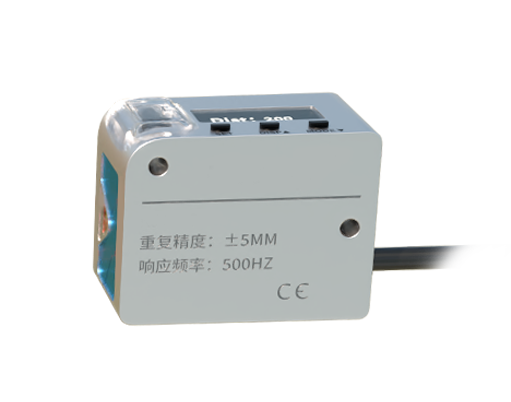
The effectiveness of laser sensor commands hinges on their precision and latency. Delays or errors in command transmission can lead to inaccuracies, especially in high-speed applications. Therefore, developers must optimize command structures for brevity and clarity, often using checksums or acknowledgment signals to confirm receipt. As technology advances, commands are becoming more sophisticated, incorporating machine learning algorithms that allow sensors to adapt autonomously to changing conditions without constant reconfiguration.
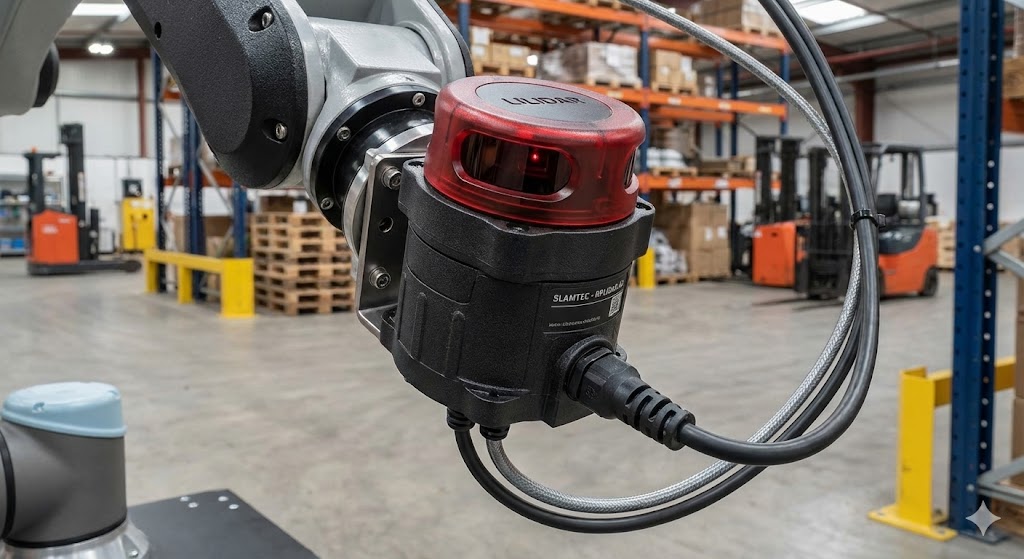
Understanding laser sensor commands is crucial for engineers and technicians designing or maintaining automated systems. By mastering command syntax and protocol integration, they can unlock the full potential of laser sensing technology, driving innovations in smart factories, medical devices, and beyond. As the Internet of Things (IoT) expands, standardized command sets will further enhance interoperability, making laser sensors even more versatile tools in the digital age.