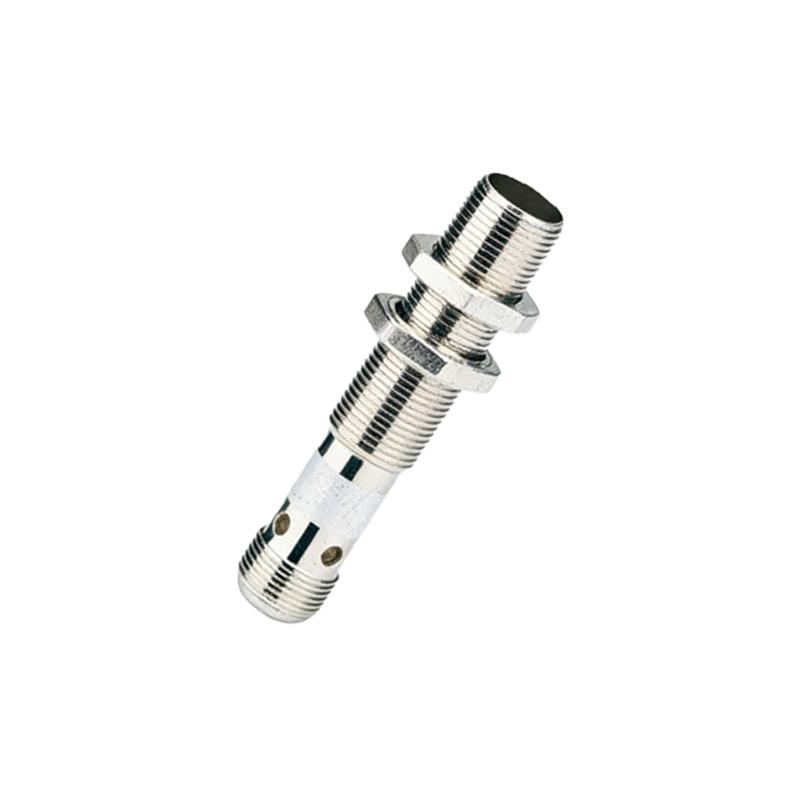
Photoelectric proximity sensors are widely used in industrial automation, packaging, material handling, and safety systems due to their non-contact detection capability, high speed, and reliability. Understanding the composition of these sensors is essential for proper selection, installation, and maintenance. Fundamentally, a photoelectric sensor consists of key components that work together to detect the presence or absence of an object by using a light beam.
The core of a photoelectric proximity sensor is its optical system. This system primarily includes a light emitter and a light receiver. The emitter is typically a light-emitting diode (LED) that produces the detection beam. Common types include visible red LEDs, which are easy to align, and infrared LEDs, which offer better immunity to ambient light interference. For longer-range applications or in environments with high contamination, some sensors use laser diodes to produce a more focused, coherent beam. The emitter circuit drives the LED, often modulating the light at a specific high frequency. This modulation allows the sensor to distinguish its own light signal from ambient background light, significantly enhancing stability and noise immunity.
Opposite or adjacent to the emitter is the light receiver. This component is usually a phototransistor or a photodiode. Its function is to detect the light emitted from the sensor's own source. When the emitted light strikes the receiver, it generates an electrical signal proportional to the received light intensity. The receiver is precisely tuned to respond to the modulated frequency of the emitter, filtering out constant or differently modulated light sources in the environment. The sensitivity of the receiver can often be adjusted, which defines the sensor's effective sensing range.
The housing and lens assembly form the physical structure of the sensor. The housing is constructed from robust materials like metal or industrial-grade plastic to provide protection against dust, moisture, oils, and mechanical impact, often meeting IP (Ingress Protection) ratings such as IP67. Integrated into the housing are precision lenses. The emitter lens collimates or focuses the emitted light into a beam, while the receiver lens collects the incoming light and directs it onto the sensitive area of the photodetector. The design of these lenses determines the shape and size of the sensing beam—whether it is a precise spot, a focused beam, or a diffuse pattern.
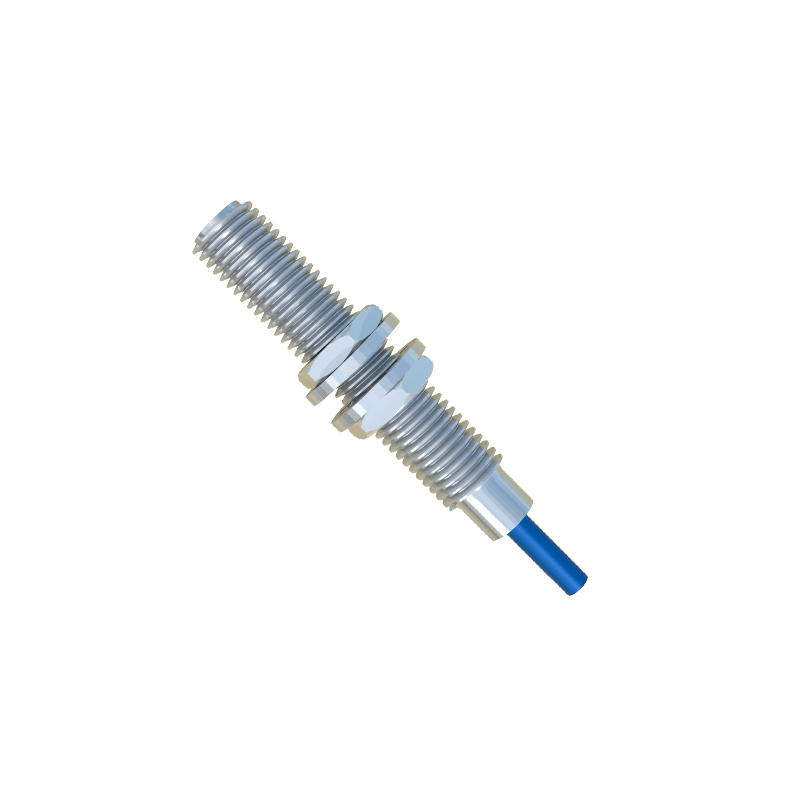
A critical electronic component is the signal processing circuit or amplifier. This unit is the "brain" of the sensor. It powers the emitter, processes the weak electrical signal from the receiver, and makes the detection decision. The amplifier compares the received signal strength against a predefined threshold. In a through-beam sensor setup (where emitter and receiver are separate units), the detection occurs when an object interrupts the beam, causing the signal to fall below the threshold. In a retro-reflective mode (using a reflector), detection also happens on beam interruption. In a diffuse or proximity mode (where emitter and receiver are in the same housing), detection occurs when enough light is reflected back from a target object to exceed the threshold. The amplifier then switches the sensor's output state accordingly.
The output stage provides the interface to the control system, such as a PLC (Programmable Logic Controller). Common output types include digital transistor outputs (NPN or PNP sourcing/sinking), analog current or voltage outputs (e.g., 4-20mA, 0-10V) for distance measurement, and relay outputs for high-power switching. Some advanced sensors feature programmable outputs, timers, and counters. Additionally, many sensors incorporate indicator lights—usually an LED that shows power status and another that indicates the output switching state—for visual diagnostics.
Finally, the connection method is a practical part of the sensor's composition. This involves cables or connectors. Sensors may come with pre-attached fixed cables of various lengths or with standardized quick-disconnect connectors (like M8 or M12 circular connectors). These connectors facilitate easy installation, replacement, and maintenance in control panels and machinery.
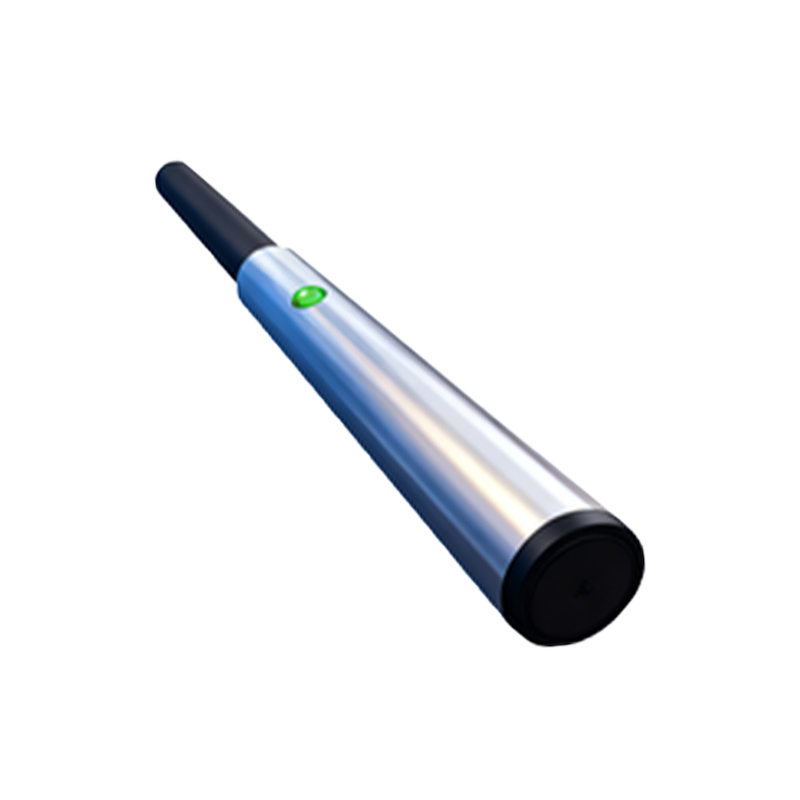
In summary, the seamless interaction between the optical components (emitter, receiver, lenses), the protective housing, the intelligent amplifier, and the output interface enables the photoelectric proximity sensor to perform accurate, high-speed, and reliable object detection across countless applications. Proper understanding of these components allows engineers and technicians to optimize sensor performance and ensure long-term system reliability.