In the rapidly evolving landscape of industrial automation and precision measurement, laser distance sensors have emerged as a cornerstone technology. Among the key contributors to this field is Yingyang, a region and hub known for its advanced manufacturing and technological development in sensor systems. Yingyang laser distance sensors represent a fusion of high-precision optics, robust electronics, and sophisticated software algorithms, designed to deliver reliable performance in diverse and demanding environments.
The fundamental operating principle of a Yingyang laser distance sensor is based on the time-of-flight (ToF) or phase-shift measurement method. A laser diode emits a focused beam of light towards a target object. The sensor then precisely measures the time it takes for the reflected light to return to a photodetector. Given the constant speed of light, the sensor's internal processor calculates the distance to the target with exceptional accuracy. This non-contact measurement method is crucial for applications where physical contact could damage the target, alter its properties, or simply be impractical.
One of the defining characteristics of high-quality Yingyang sensors is their remarkable precision and resolution. Modern units can achieve sub-millimeter accuracy even over ranges extending to several hundred meters. This is made possible by advanced signal processing techniques that filter out ambient light noise and compensate for environmental variables such as temperature fluctuations. The sensors often feature a visible red laser or a Class 1 infrared laser, ensuring both ease of alignment and compliance with international safety standards.
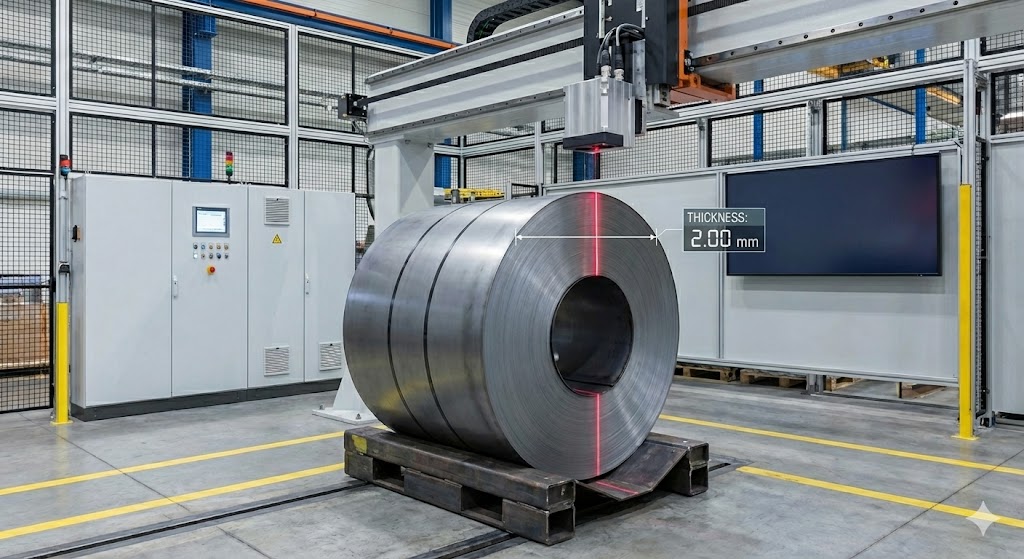
The application spectrum for Yingyang laser distance sensors is exceptionally broad. In industrial automation, they are indispensable for tasks such as positioning robotic arms, controlling conveyor belt levels, and measuring the dimensions of products on high-speed production lines. Their speed and accuracy enable real-time quality control, reducing waste and improving throughput. In the logistics and warehousing sector, these sensors are deployed in automated guided vehicles (AGVs) for navigation and in storage systems for inventory profiling and pallet measurement.
Beyond traditional industry, these sensors play a vital role in emerging fields. In construction and civil engineering, they are used for monitoring structural deformation, aligning heavy machinery, and conducting topographic surveys. The agricultural sector utilizes them for guiding autonomous tractors and monitoring crop growth. Furthermore, they are integral components in security systems for perimeter monitoring and in the development of autonomous vehicles for obstacle detection and distance keeping.
Selecting the right Yingyang laser distance sensor requires careful consideration of several parameters. The required measuring range, accuracy, and response time are primary factors. The sensor's housing is also critical; industrial-grade models typically feature robust metal casings with high Ingress Protection (IP) ratings (e.g., IP67) to withstand dust, moisture, and mechanical shocks. Connectivity options, such as analog voltage/current outputs, digital interfaces (RS232, RS485), or industrial Ethernet protocols (EtherCAT, PROFINET), must align with the existing control system architecture.
Installation and environmental factors significantly impact performance. Ensuring a stable mounting point, minimizing vibration, and avoiding optical interference from highly reflective or absorbent surfaces are essential best practices. Regular maintenance, primarily keeping the lens clean, ensures long-term reliability and consistent data integrity.
The future trajectory for Yingyang laser distance sensor technology points toward even greater miniaturization, enhanced intelligence, and network integration. We are seeing the development of sensors with integrated edge computing capabilities, allowing for preliminary data analysis and decision-making at the device level. The integration with Industrial Internet of Things (IIoT) platforms facilitates predictive maintenance, centralized data analytics, and seamless integration into smart factory ecosystems. Additionally, research into new laser wavelengths and multi-echo processing techniques promises to solve challenging measurement scenarios involving transparent objects or complex backgrounds.
In conclusion, Yingyang laser distance sensors are more than just measurement tools; they are enablers of automation, efficiency, and innovation across a multitude of sectors. Their ability to provide fast, accurate, and reliable distance data without physical contact makes them a fundamental component in the toolkit of modern engineering and technology development. As industries continue to strive for higher levels of precision and autonomy, the role of these advanced sensing solutions from technological hubs like Yingyang will only become more pronounced and indispensable.