In today's fast-paced world, convenience and efficiency are paramount in home and commercial design. Proximity sensor lights, also known as motion-sensor or presence-detecting lights, have emerged as a cornerstone of intelligent lighting systems. These innovative devices automatically illuminate spaces when they detect movement within a specific range, eliminating the need for manual switches and transforming how we interact with our environments. The core technology behind these lights is fascinatingly simple yet effective. Most common models utilize passive infrared (PIR) sensors, which detect changes in infrared radiation—essentially body heat—within their field of view. When a warm object, like a person or pet, moves into the detection zone, the sensor triggers the light to turn on. More advanced systems may use microwave or ultrasonic sensors, which emit waves and detect their reflection off moving objects, offering different ranges and sensitivities suitable for various applications.
The practical benefits of installing proximity sensor lights are substantial and multifaceted. Foremost is the significant enhancement in energy efficiency. Lights are only active when needed, dramatically reducing electricity consumption compared to lights left on manually. This not only lowers utility bills but also contributes to a smaller carbon footprint, aligning with growing environmental consciousness. Secondly, they provide unparalleled convenience. Imagine walking into a garage with arms full of groceries, navigating a dark hallway at night, or approaching an office building after hours. The light turns on automatically, providing safe, hands-free illumination exactly when and where it's required. This feature is particularly valuable for the elderly, children, or anyone with mobility challenges.
Safety and security are other critical advantages. A well-lit property is a proven deterrent to criminal activity. Exterior sensor lights flooding a driveway, porch, or garden with light upon detecting motion can startle potential intruders and draw attention. Internally, they prevent accidents in stairwells, bathrooms, and closets by ensuring these areas are never plunged into darkness when someone enters. For businesses, they can illuminate warehouse aisles, storage rooms, and restrooms, reducing workplace hazards.

The applications for proximity-activated lighting are vast and growing. In residential settings, they are ideal for laundry rooms, basements, pantries, and under-cabinet kitchen lighting. Outdoor models, built to withstand weather, are perfect for security lighting, pathway illumination, and garage entries. Commercially, they are indispensable in office buildings for corridors and conference rooms, in retail for stockrooms, and in industrial settings where hands-free operation is crucial. The hospitality industry uses them in hotel hallways and bathrooms to improve guest experience and save energy.
When selecting a proximity sensor light, several factors should be considered. The detection range and angle determine the coverage area—whether you need a narrow beam for a doorway or a wide angle for a room. The delay time setting controls how long the light stays on after motion ceases, which can be adjusted from a few seconds to several minutes. Lux control allows the light to activate only when ambient light is below a certain level, preventing it from turning on during the daytime. For outdoor use, ensure the fixture has an appropriate Ingress Protection (IP) rating for dust and water resistance. Modern options often include LED bulbs, which pair perfectly with sensor technology due to their instant-on capability, long lifespan, and low energy draw.
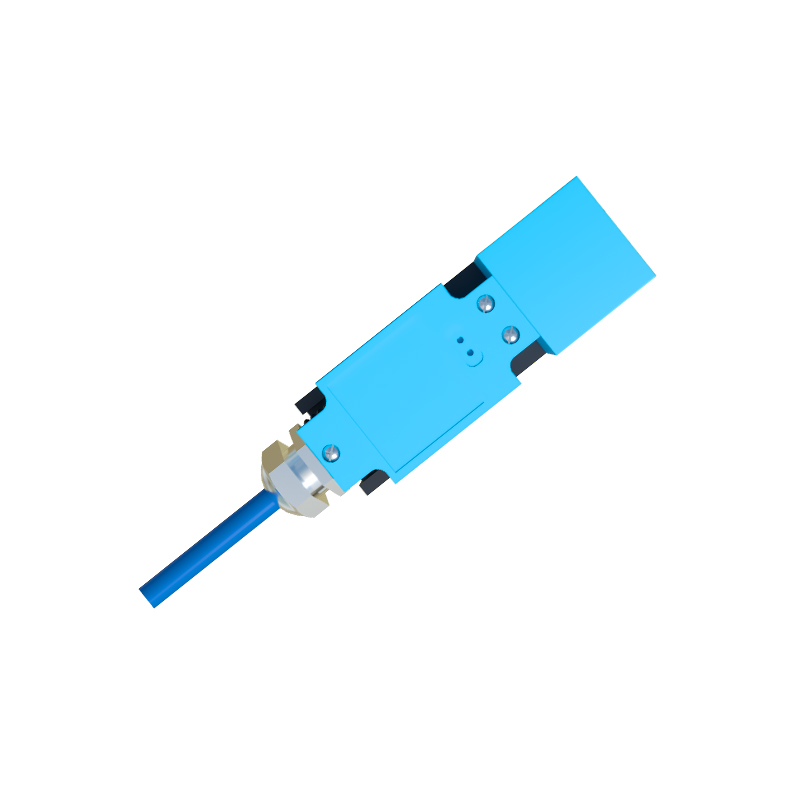
Installation is typically straightforward, often replacing an existing light fixture or wall switch with a sensor-integrated unit. Many are designed for DIY installation, though consulting an electrician is recommended for hardwired models or if you are unsure. The initial investment is quickly offset by energy savings and bulb longevity. Looking ahead, the integration of proximity sensors with broader smart home ecosystems is the next frontier. Lights that can communicate with other devices, be controlled via smartphone apps, and learn usage patterns for even greater efficiency are already entering the market.
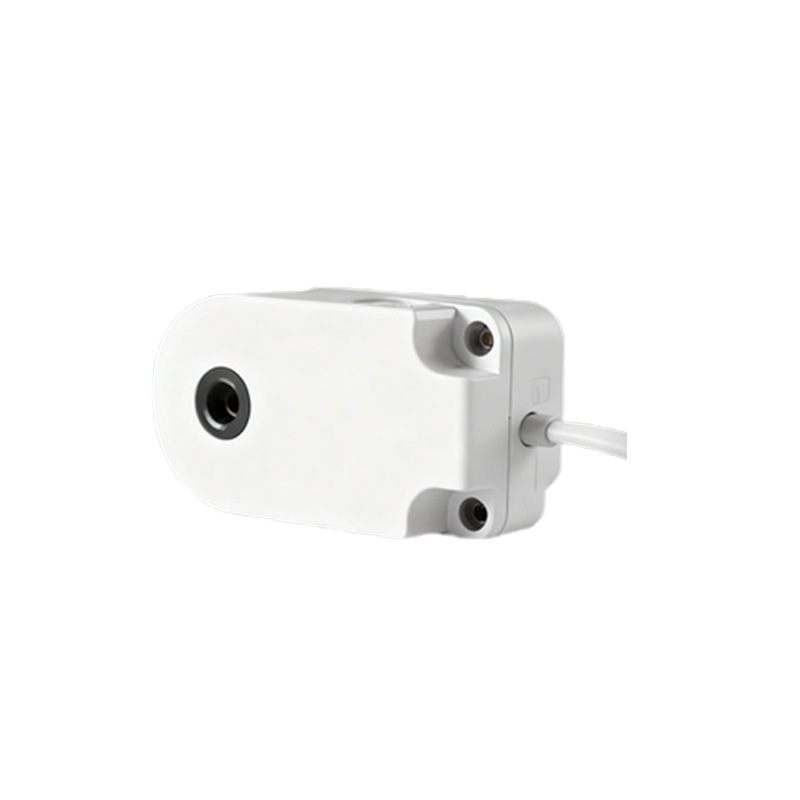
In conclusion, proximity sensor lights represent a simple yet profound upgrade to any space. They move beyond mere illumination to offer a responsive, intuitive, and economical lighting solution. By merging automation with practicality, they deliver tangible benefits in energy conservation, safety, convenience, and security. Whether for a home, office, or public facility, adopting this smart lighting technology is a bright step toward a more efficient and automated future.