In the realm of modern electronics, sensor modules are ubiquitous, serving as the critical interface between the physical world and digital systems. These modules, which include components like microphones, accelerometers, and optical sensors, convert real-world signals—such as sound, motion, or light—into electrical data. However, this very function can be exploited through a sophisticated technique known as laser eavesdropping, a form of side-channel attack that poses significant security risks. This article delves into the principles, methods, and implications of laser-based eavesdropping on sensor modules, offering insights into both the vulnerability and potential countermeasures.
At its core, laser eavesdropping leverages the physical properties of sensor components. Many sensors, particularly microphones and certain types of accelerometers, contain diaphragms or movable elements that vibrate in response to external stimuli. For instance, in a microphone, sound waves cause a diaphragm to oscillate, modulating an electrical signal. A laser beam, precisely aimed at these components, can detect these minute vibrations through techniques like laser interferometry or vibrometry. By measuring the reflected laser light, an attacker can reconstruct the original signals—such as conversations captured by a microphone or vibrations from a device—without any physical contact or direct electrical connection. This method exploits the sensor's intended functionality, turning it into an unintentional transmitter of information.

The process typically involves several steps. First, an attacker identifies a target sensor module, often in devices like smartphones, smart speakers, or industrial control systems. Using a low-power laser—commonly in the infrared or visible spectrum—the beam is directed at the sensor's surface through windows or other transparent enclosures. Advanced optical systems, including lenses and photodetectors, capture the reflected light, which carries subtle modulations caused by the sensor's vibrations. Signal processing algorithms then analyze these modulations to extract meaningful data, such as audio waveforms or mechanical movements. In laboratory settings, researchers have demonstrated successful eavesdropping from distances of several meters, highlighting the practical feasibility of this attack.

What makes laser eavesdropping particularly concerning is its stealth and versatility. Unlike traditional cyberattacks that require network access or malware, this method operates entirely offline, bypassing software-based security measures. It can target a wide range of sensors, including those in isolated or air-gapped systems, where data is presumed to be physically secure. For example, in critical infrastructure or confidential office environments, laser eavesdropping could capture sensitive discussions or monitor equipment activity without leaving a trace. The attack is also difficult to detect, as the laser beam may be invisible or disguised, and the sensor itself continues to function normally, unaware of the intrusion.
Despite its sophistication, laser eavesdropping is not infallible. Its effectiveness depends on factors like sensor design, material properties, and environmental conditions. Sensors with damped or shielded components may reduce vulnerability, while ambient noise or interference can degrade signal quality. Additionally, countermeasures are emerging to mitigate these risks. Physical defenses include using opaque or laser-absorbing materials for enclosures, adding vibration-damping layers to sensors, or employing optical filters to block specific laser wavelengths. On the design side, sensor manufacturers can incorporate randomness or noise injection into signals to obscure eavesdropping attempts, or develop sensors with minimal movable parts. Awareness and testing for such physical-layer vulnerabilities are becoming essential in security protocols, especially for high-stakes applications.
From a broader perspective, laser eavesdropping underscores the evolving landscape of security threats in an interconnected world. As sensors proliferate in Internet of Things (IoT) devices, autonomous systems, and smart environments, their physical vulnerabilities demand greater attention. This attack vector bridges the gap between digital and physical security, reminding us that protecting data requires holistic approaches—encompassing hardware, software, and environmental safeguards. While laser eavesdropping remains a niche technique, its potential impact on privacy and industrial espionage cannot be ignored. Ongoing research aims to better understand these mechanisms, develop robust defenses, and establish standards for sensor security.
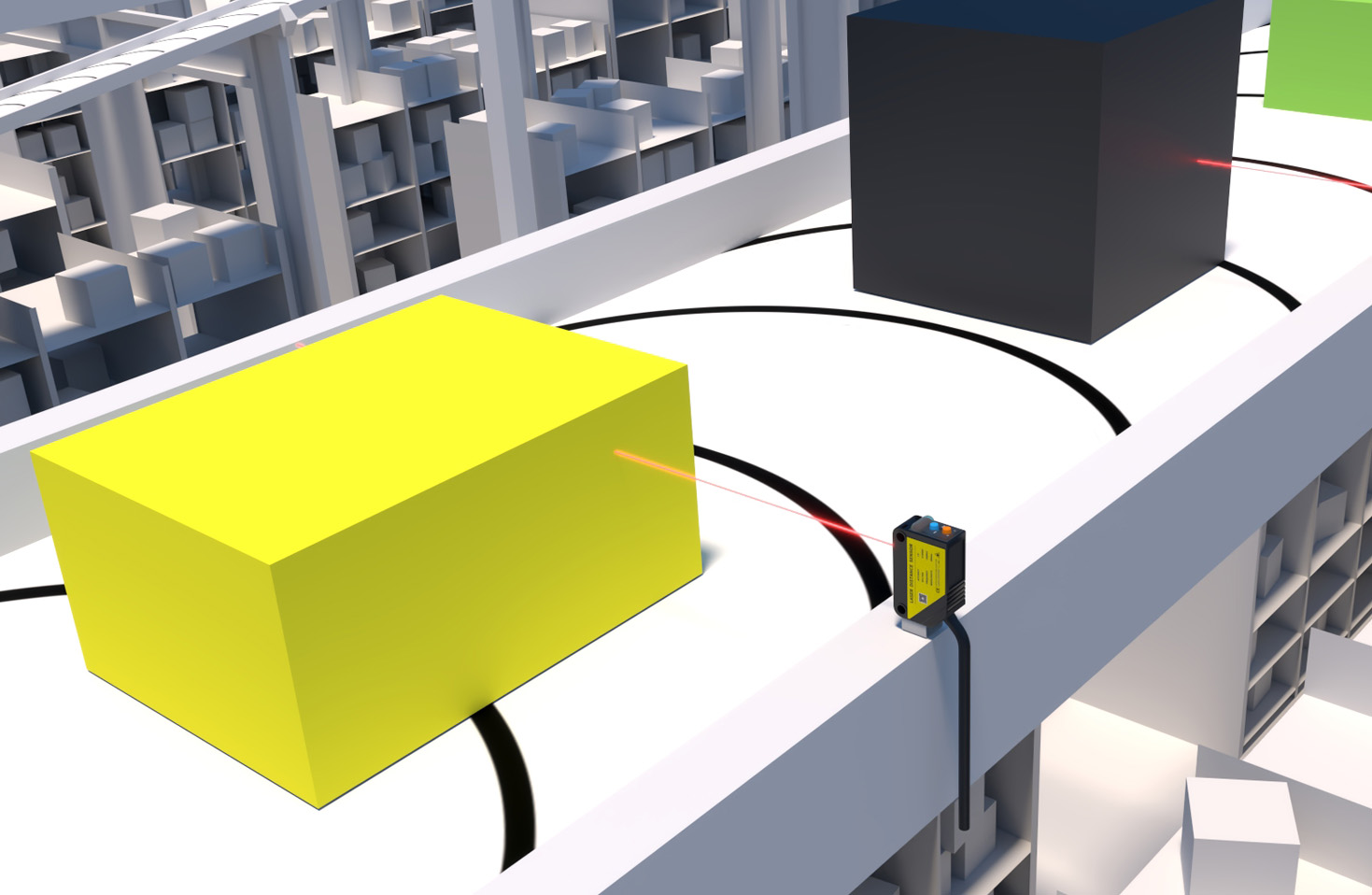
In conclusion, laser eavesdropping on sensor modules represents a fascinating yet alarming intersection of physics and cybersecurity. By exploiting the inherent sensitivity of sensors, attackers can extract valuable information through non-invasive means, challenging conventional security assumptions. As technology advances, both offensive and defensive capabilities will evolve, making it crucial for engineers, security professionals, and policymakers to stay informed. Through proactive measures—such as secure sensor design, regular vulnerability assessments, and public education—we can reduce risks and foster a safer technological ecosystem. Ultimately, understanding threats like laser eavesdropping is the first step toward building resilient systems in an increasingly sensor-driven world.