In the intricate dance of modern automation, where precision and reliability are paramount, a silent sentinel often goes unnoticed: the glass proximity switch sensor. Unlike their plastic or metal-bodied counterparts, these sensors utilize a specialized glass housing, typically crafted from borosilicate glass, to create a robust and versatile solution for challenging industrial environments. Their fundamental operation remains rooted in the principles of inductive or capacitive sensing, but the glass enclosure elevates their performance to meet unique demands.
The core advantage of a glass proximity sensor lies in its exceptional material properties. The hermetic seal provided by the glass body offers an unparalleled level of protection. It is completely impervious to liquids, oils, corrosive chemicals, and aggressive cleaning agents that would degrade or penetrate polymer housings. This makes them the ideal choice for applications in food and beverage processing, pharmaceutical manufacturing, chemical plants, and anywhere stringent hygiene protocols like frequent high-pressure steam cleaning or CIP (Clean-in-Place) procedures are mandatory. The smooth, non-porous glass surface prevents bacterial growth and allows for effortless, residue-free cleaning.
Furthermore, glass exhibits high thermal stability. Sensors with glass fronts can withstand extreme temperature fluctuations and direct exposure to high heat without warping, melting, or losing sensing accuracy. This characteristic is critical in applications like packaging machinery near heat seals, automotive welding lines, or foundry equipment. The material also offers excellent resistance to UV radiation, preventing the yellowing or embrittlement that can affect plastics over time, thereby ensuring long-term reliability in both indoor and outdoor settings.
From a functional perspective, the use of glass allows for a very compact sensing face. This enables the design of sensors with exceptionally small diameters, perfect for installation in space-constrained locations. Despite their small size, the sensing range and sensitivity can be finely tuned. Inductive glass sensors are masters at detecting metals—ferrous and non-ferrous—with high repeat accuracy, often used for precise position detection of machine parts, counting metal objects, or as end-position switches in robotics. Capacitive glass sensors, on the other hand, can detect a wider range of materials, including liquids, plastics, glass, and wood through their container walls. This is invaluable for liquid level control in transparent tanks, material presence detection in hoppers, or monitoring paper and film in processing lines.
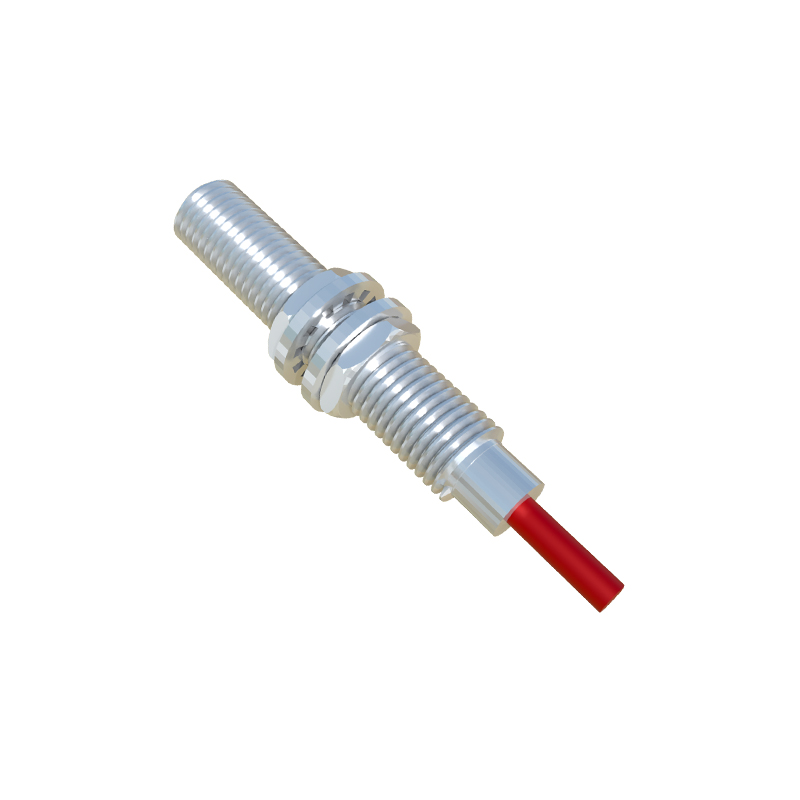
The installation and integration of these sensors are straightforward, typically following standard M8, M12, or M18 threaded cylindrical designs. They connect seamlessly into programmable logic controller (PLC) systems, providing a reliable digital signal that confirms the presence or absence of a target. Their robustness translates directly into reduced maintenance costs and minimized machine downtime. There are no moving parts to wear out, and the solid glass construction is immune to physical impacts and vibrations that are common in industrial settings.
In conclusion, glass proximity switch sensors are far from a niche product. They are a critical engineering solution where environmental resilience is non-negotiable. By combining the reliable electromagnetic sensing technology with the inert, durable, and hygienic properties of glass, they solve problems that other sensors cannot. They operate silently and reliably behind the scenes, ensuring processes run smoothly, safely, and efficiently—truly acting as the invisible guardians of hygiene, harsh environments, and precision in the automated world.