In modern industrial environments, the demand for reliable and durable sensing solutions has never been greater. High protection proximity sensors stand out as critical components designed to operate in challenging conditions while ensuring safety, precision, and operational continuity. These sensors are engineered to detect the presence or absence of objects without physical contact, utilizing electromagnetic fields, light, or sound. What sets high protection variants apart is their robust construction, which typically includes ratings such as IP67, IP68, or IP69K, indicating resistance to dust, water, and extreme temperatures.
The core technology behind these sensors often involves inductive, capacitive, or ultrasonic principles. Inductive sensors, for instance, are ideal for metal detection in manufacturing lines, while capacitive sensors can handle non-metallic materials like plastics or liquids. Ultrasonic sensors offer versatility for distance measurement and object detection in varied environments. The high protection aspect ensures that these sensors maintain accuracy despite exposure to moisture, corrosive chemicals, vibration, or mechanical stress. This durability reduces downtime and maintenance costs, contributing to overall productivity.
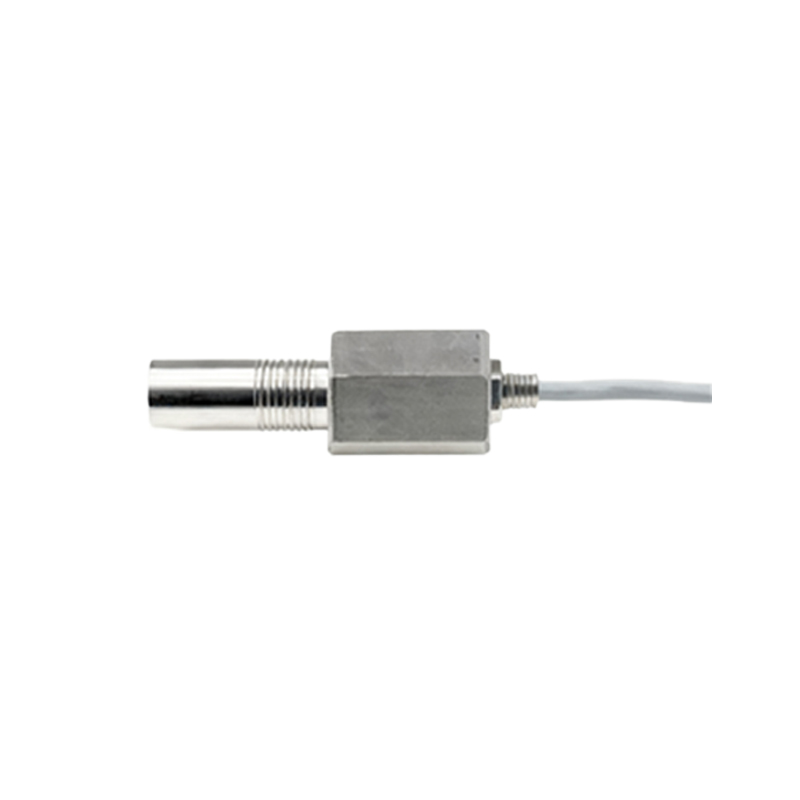
Applications span across multiple industries. In automotive manufacturing, high protection proximity sensors monitor assembly processes, ensuring components are correctly positioned. Food and beverage plants rely on them for hygiene-critical zones, where sensors must withstand frequent washdowns with high-pressure cleaners. In mining or construction, they provide safety functions by detecting equipment proximity to prevent collisions. Moreover, these sensors integrate seamlessly with automation systems and IoT platforms, enabling real-time data collection for predictive maintenance and process optimization.
Selecting the right high protection proximity sensor involves considering factors like sensing range, output type (e.g., NPN or PNP), and environmental ratings. For harsh settings, stainless steel housings or specialized coatings may be necessary. Installation best practices include proper alignment, avoiding interference from other electrical devices, and regular calibration checks. As industries advance toward smart factories and increased automation, the role of these sensors expands, with innovations focusing on enhanced connectivity, energy efficiency, and miniaturization without compromising protection levels.
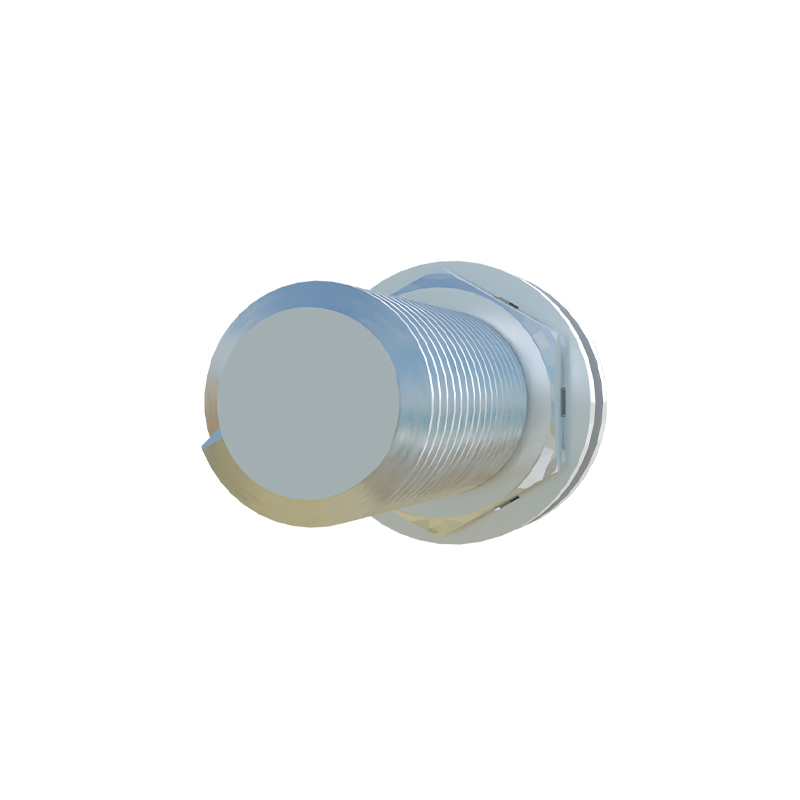
Ultimately, high protection proximity sensors are indispensable for modern industrial operations. They not only safeguard personnel and equipment but also drive efficiency by enabling precise, contactless detection in conditions where standard sensors would fail. Investing in quality sensors from reputable manufacturers ensures long-term reliability, compliance with safety standards, and a strong return on investment through improved operational performance.
