In our increasingly automated and interactive world, devices seem to possess an almost intuitive understanding of their surroundings. Your smartphone screen dims when you raise it to your ear during a call. Automatic doors slide open as you approach. Factory assembly lines stop precisely when a component is in place. This unseen intelligence is often powered by a small, crucial component: the proximity sensor.
So, what exactly is a proximity sensor? At its core, a proximity sensor is an electronic device designed to detect the presence or absence of nearby objects without any physical contact. It achieves this by emitting a field or a beam of electromagnetic radiation, such as infrared light or an electromagnetic field, and then looking for changes in the field or the return signal. The key advantage is non-contact detection, which eliminates mechanical wear and tear and allows for detection of fragile, soft, or hot objects that could be damaged by touch.
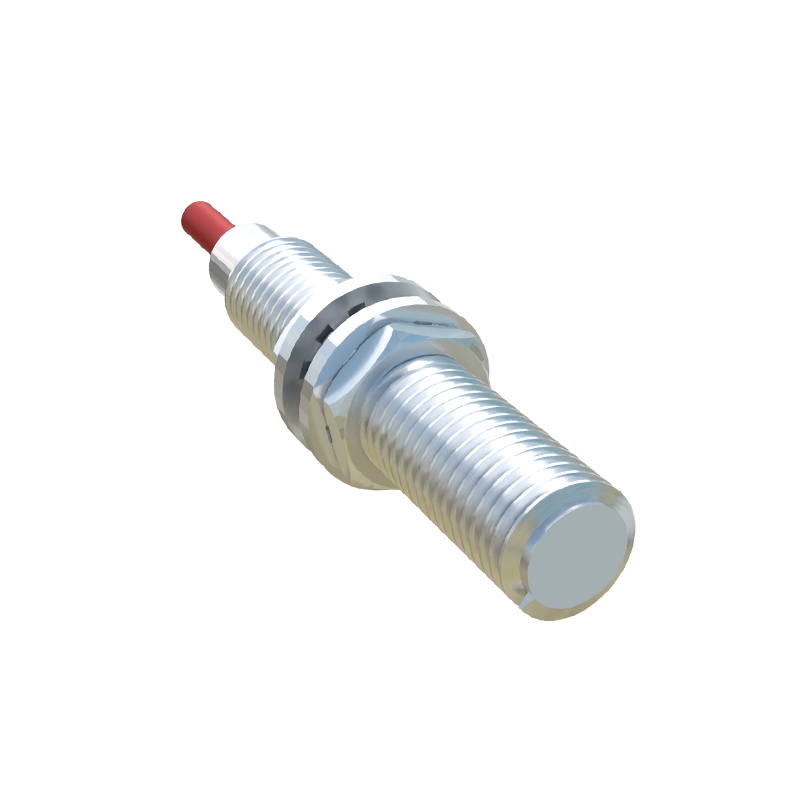
The working principle varies significantly depending on the technology employed. The most common types include:
Inductive Proximity Sensors: These are workhorses in industrial environments. They generate an oscillating electromagnetic field. When a metallic object enters this field, it induces eddy currents within the metal, which dampens the oscillation of the sensor's circuit. This change is detected, signaling the presence of the object. They are robust, reliable, and exclusively detect metals, making them ideal for counting metal parts, determining position in machinery, or as safety switches.
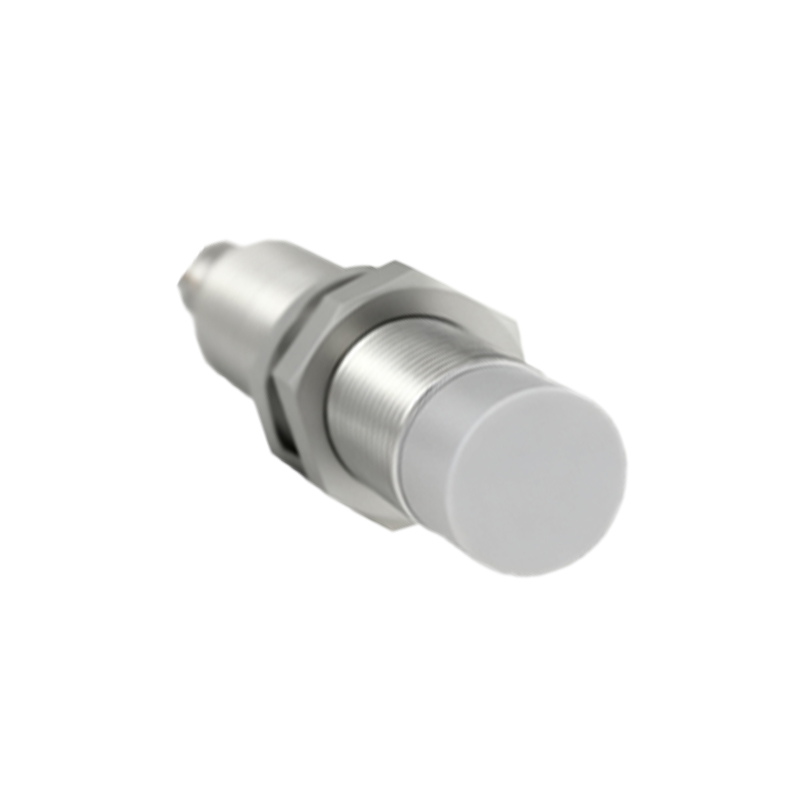
Capacitive Proximity Sensors: These sensors can detect both metallic and non-metallic objects—liquids, plastics, wood, or even granular materials. They function by generating an electrostatic field. Any object that enters this field alters the capacitance of the sensor's circuit. This change is measured to detect the object. You'll find them in applications like liquid level detection, material handling, and touch-sensitive interfaces (like the buttons on some elevator panels).
Photoelectric Sensors: Often used for longer ranges, these sensors use light, typically infrared, to detect objects. They consist of a light emitter and a receiver. The most common variant is the diffuse reflective type, where the sensor emits a light beam, and the target object reflects it back to the receiver. Breaking or reflecting this beam indicates detection. They are versatile and used in packaging, conveyor systems, and even as the primary sensor in many consumer devices.
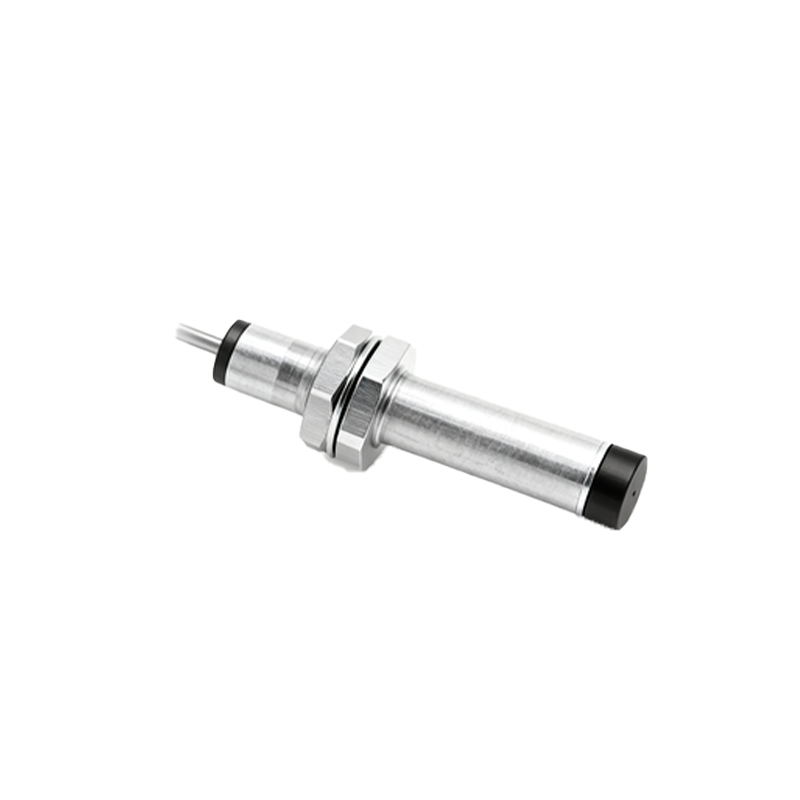
Ultrasonic Proximity Sensors: These operate similarly to sonar. They emit high-frequency sound waves and measure the time it takes for the echo to return after bouncing off an object. The time delay is used to calculate distance. They are excellent for detecting objects regardless of color, transparency, or material, and are used in level measurement, obstacle detection in robots, and parking assist systems.
In the consumer electronics space, particularly in smartphones and tablets, a compact infrared (IR) proximity sensor is standard. It typically consists of an IR LED that emits an invisible light beam and a photodiode receiver. During a phone call, the IR LED beams light. If your head is close to the screen, the light reflects off your skin and back to the photodiode. The phone's processor interprets this signal and commands the screen to turn off, preventing accidental cheek-taps and saving battery.
The applications of proximity sensors are vast and integral to modern technology. Beyond the examples already mentioned, they are critical in automotive systems (for blind-spot monitoring and automatic braking), aerospace, robotics for navigation and object handling, and security systems for presence detection. Their ability to provide reliable, non-contact feedback makes them indispensable for automation, safety, and enhancing user interaction.
When selecting a proximity sensor for an application, engineers consider several factors: the nature of the target material (metal, plastic, liquid), the required sensing distance, environmental conditions (dust, moisture, temperature), response speed, and output type needed (digital on/off or analog distance data). Understanding these parameters ensures the right sensor is chosen for reliable operation.
In conclusion, the proximity sensor is a fundamental enabling technology of automation and smart interaction. It is the unseen "sense of touch" for machines, allowing them to perceive and react to their immediate environment without contact. From the factory floor to the device in your pocket, these small sensors play a monumental role in making technology more efficient, safe, and responsive to human presence.