In the realm of automation and smart technology, digital proximity sensors have become indispensable components. Unlike their analog counterparts, these sensors provide a discrete, on/off output signal, making them ideal for integration into digital control systems. Their primary function is to detect the presence or absence of an object within a specified range without any physical contact. This non-contact operation eliminates mechanical wear and tear, ensuring high reliability and a long operational lifespan.
The core technology behind digital proximity sensors varies, with several types dominating the market. Inductive proximity sensors are the workhorses for detecting metallic objects. They generate an electromagnetic field, and when a metal target enters this field, it causes a change that the sensor's internal oscillator detects. The sensor then processes this change and triggers a solid-state switch, sending a clean digital signal to a programmable logic controller (PLC) or other control unit. Capacitive proximity sensors, on the other hand, can detect both metallic and non-metallic materials, including liquids, powders, and plastics. They function by sensing changes in capacitance caused by the presence of any material that alters the electrostatic field around the sensor's active face.
Another prominent category is the photoelectric sensor, which uses a beam of light. The digital versions provide a clear signal when the beam is interrupted (in a through-beam setup) or reflected back (in a retro-reflective or diffuse setup). Ultrasonic sensors use sound waves beyond human hearing to measure distance to an object, with digital outputs triggered when an object is within a preset window. Each type offers distinct advantages. Inductive sensors are incredibly robust and immune to environmental factors like dust or dirt. Capacitive sensors are versatile for material handling. Photoelectric sensors offer long detection ranges, and ultrasonic sensors perform well in challenging conditions involving clear objects or varying surface properties.
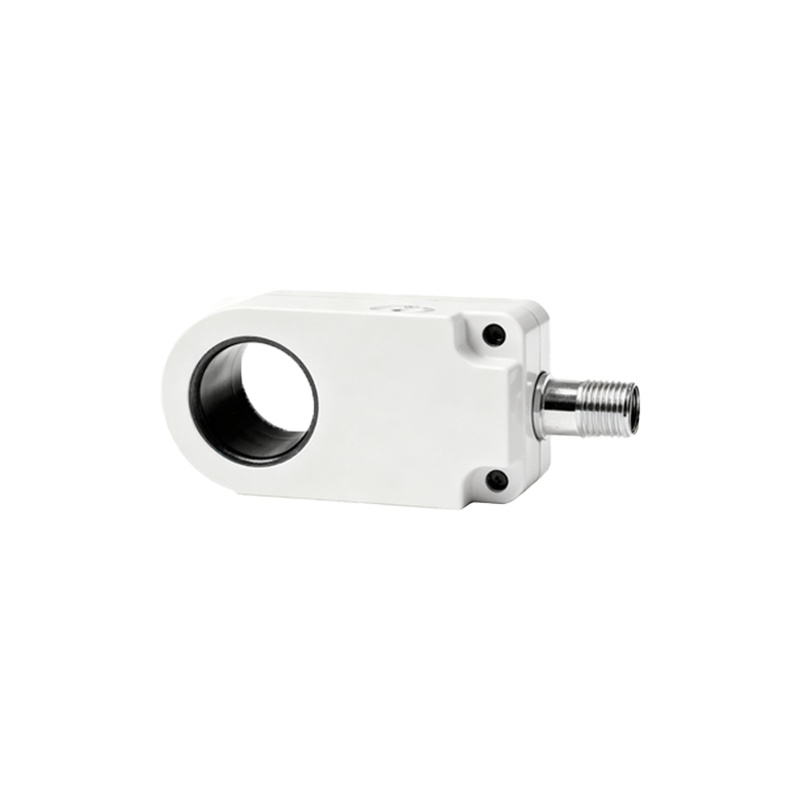
The applications of digital proximity sensors are vast and critical across industries. In manufacturing and assembly lines, they are used for precise object counting, jam detection, and verifying the position of parts on a conveyor belt. Their high-speed response makes them perfect for tasks like detecting bottle caps on a filling line or confirming the presence of a component before a robotic arm performs an operation. In the automotive industry, they monitor robotic weld gun positions and ensure safety doors are closed. Beyond heavy industry, these sensors are embedded in everyday devices. The automatic faucet in a public restroom often uses a capacitive or infrared sensor. The smartphone in your pocket uses a digital proximity sensor to turn off the display during a phone call to save power and prevent accidental screen touches.
Selecting the right digital proximity sensor requires careful consideration of several parameters. The sensing range, or the maximum distance at which the sensor can reliably detect a standard target, is fundamental. The target material itself dictates whether an inductive, capacitive, or other technology is necessary. Environmental conditions are crucial; sensors may need specific ingress protection (IP) ratings for use in wet, dusty, or washdown environments. The output configuration, typically a PNP (sourcing) or NPN (sinking) transistor, must be compatible with the input module of the control system. Finally, factors like housing style (cylindrical or rectangular), connection type (cable or connector), and response frequency must align with the mechanical and timing requirements of the application.
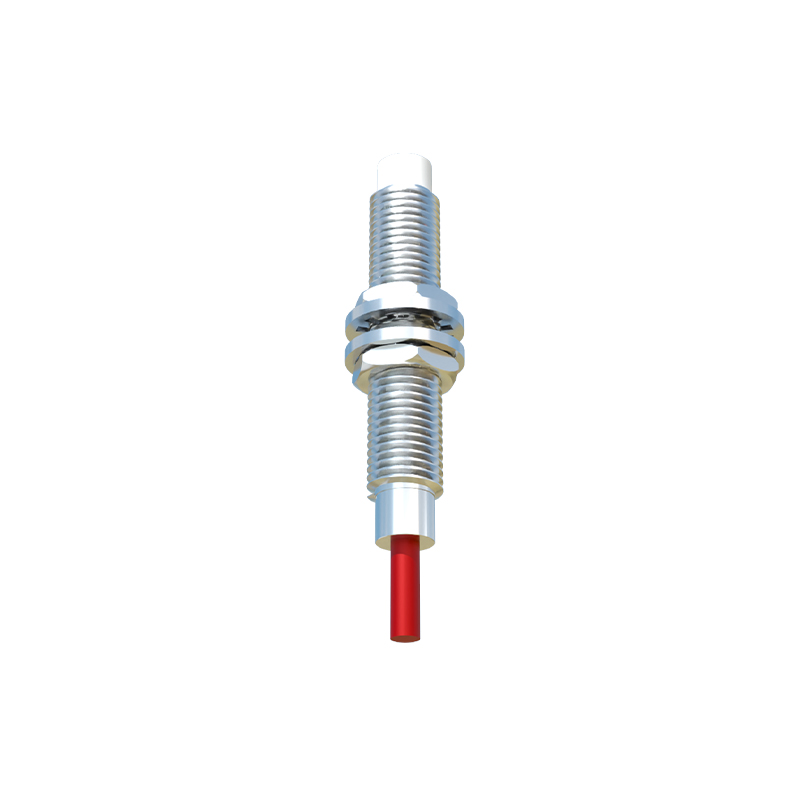
Installation and wiring are generally straightforward, but best practices must be followed. Ensuring the correct voltage supply and paying attention to polarity for DC sensors is essential. Adequate clearance around the sensor head is necessary to prevent false triggers from the mounting bracket or nearby metal objects, a phenomenon known as "shielding." Regular maintenance is minimal but should include cleaning the sensing face to remove debris that could impair performance, especially for optical and capacitive sensors.
The future of digital proximity sensing is tied to the growth of the Industrial Internet of Things (IIoT) and Industry 4.0. Modern sensors are increasingly equipped with IO-Link communication, a point-to-point serial connection that goes beyond simple switching. IO-Link allows for parameter setting, advanced diagnostics, and process data monitoring directly from the sensor, enabling predictive maintenance and finer process control. This digital intelligence transforms the humble proximity sensor from a simple switch into a smart data point within a connected factory ecosystem.
In conclusion, digital proximity sensors are fundamental enabling technologies for automation. Their ability to provide reliable, contact-free detection in a format readily consumed by digital controllers makes them a cornerstone of modern industrial and consumer electronics. Understanding their operating principles, types, and key selection criteria is vital for engineers and technicians designing, maintaining, and optimizing automated systems for efficiency, safety, and productivity.