In the world of industrial automation and machine safety, two critical components often work in tandem to ensure precision, efficiency, and protection: proximity switch sensors and metal sensors. While their names are sometimes used interchangeably in casual conversation, they serve distinct yet occasionally overlapping functions. Understanding their principles, applications, and differences is essential for engineers, technicians, and anyone involved in system design.
A proximity switch sensor, fundamentally, is a non-contact device that detects the presence or absence of an object within its sensing range without any physical contact. It does this by emitting an electromagnetic field or a beam of electromagnetic radiation and looking for changes in the field or return signal. The key here is "proximity"—it detects that something is near. The target object does not necessarily have to be metal. Depending on the technology, proximity sensors can detect a wide variety of materials, including plastics, liquids, wood, and glass. The most common types are inductive, capacitive, and photoelectric sensors. Inductive proximity sensors are specifically designed to detect metallic objects. They generate an oscillating electromagnetic field. When a metal object enters this field, it induces eddy currents within the metal, which causes a change in the sensor's own oscillation amplitude. This change triggers the sensor's output switch. These are incredibly robust, resistant to dirt, dust, and moisture, and are widely used for tasks like counting metal parts, detecting piston position in cylinders, or as limit switches in machinery.
On the other hand, the term "metal sensor" is often a broader category. It can refer to devices specifically engineered to detect metals, often distinguishing between different types like ferrous (iron-based) and non-ferrous metals (aluminum, copper). A common example is a metal detector used in security, food processing, or mining. These often operate on different principles, such as pulse induction or beat-frequency oscillation, and are tuned for sensitivity to metallic properties. In an industrial context, a "metal sensor" might be a specialized inductive proximity sensor optimized for a specific metal type or used in challenging environments where only metal detection is required. It's a purpose-driven tool where the primary goal is identifying the presence of metal, sometimes even discriminating between metal alloys.
The core of the confusion lies in the fact that the most prevalent type of proximity switch in heavy industry—the inductive proximity sensor—is inherently a metal sensor. However, not all metal sensors are proximity switches. For instance, a through-beam metal detector on a conveyor belt that scans for metal contaminants in food is a metal sensor but isn't typically called a proximity switch. Conversely, a capacitive proximity switch detecting a plastic bottle is a proximity sensor but not a metal sensor.
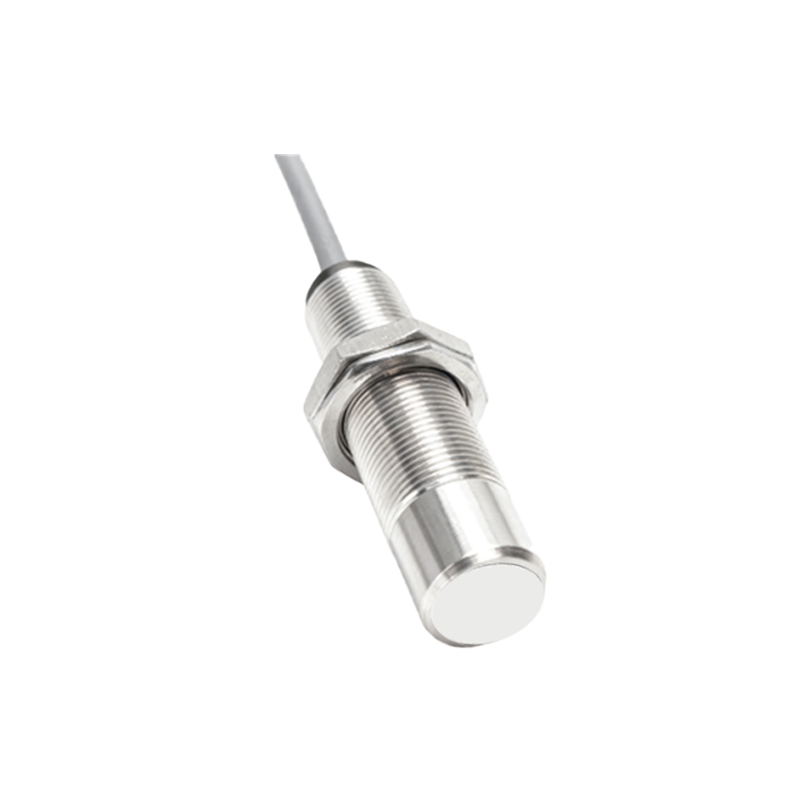
Choosing between a standard proximity switch and a specialized metal sensor depends entirely on the application. For general-purpose object detection in automation—like knowing if a robotic gripper has picked up a part, or if a machine door is closed—a standard inductive or capacitive proximity switch is perfect. They are reliable, cost-effective, and come in myriad shapes and sizes. If the requirement is to find tiny metal fragments in a product stream, to sort scrap metal by type, or to ensure absolute metal-free zones in sensitive processes, then a dedicated, high-sensitivity metal detection system is the necessary choice.
Installation and environmental factors are also crucial. Standard inductive proximity switches have limited sensing ranges, typically a few millimeters to tens of millimeters, and their performance can be affected by the specific metal type (steel is detected at a greater range than aluminum, for example). They must be mounted correctly, away from other metal surfaces that could cause interference. Dedicated metal sensors might have larger sensing areas or different form factors, like tunnel detectors or handheld wands.
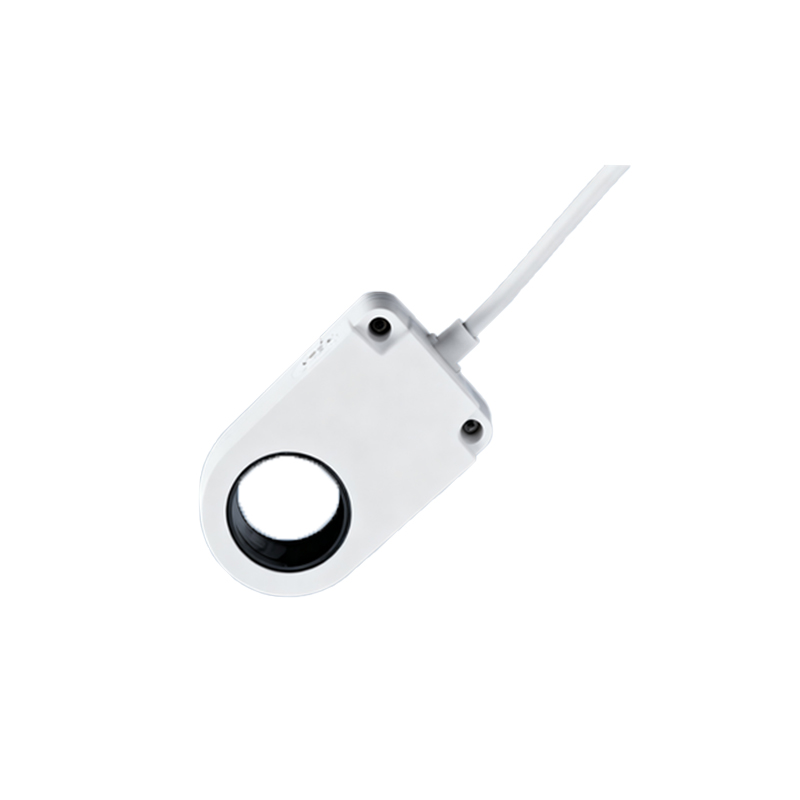
In summary, while all inductive proximity switches are metal sensors, not all metal sensors are proximity switches. The landscape of detection technology is rich and varied. The inductive proximity switch stands as the workhorse for machine automation, offering rugged, non-contact detection of metallic objects. When requirements become more specialized—demanding discrimination, extreme sensitivity, or detection in complex mediums—dedicated metal sensing technology takes the lead. Making the correct selection ensures not only operational efficiency but also enhances safety, quality control, and the overall intelligence of automated systems.