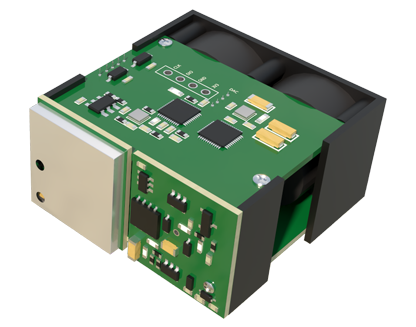
Laser sensor imaging represents a sophisticated fusion of optical sensing and data processing, enabling the capture of highly detailed spatial and surface information. At its core, this technology utilizes the principle of light detection and ranging (LiDAR) or structured light projection. A laser emitter projects a beam of coherent light onto a target object or environment. The interaction of this light—whether through reflection, scattering, or time-of-flight measurement—is then captured by a sensitive photodetector or camera system. By precisely measuring the time it takes for the light pulse to return or by analyzing the deformation of a projected light pattern, the system can calculate distances with extraordinary accuracy, often down to the millimeter or even micrometer scale. This raw distance data for millions of points is aggregated to construct a precise three-dimensional point cloud, a digital representation of the scanned scene.
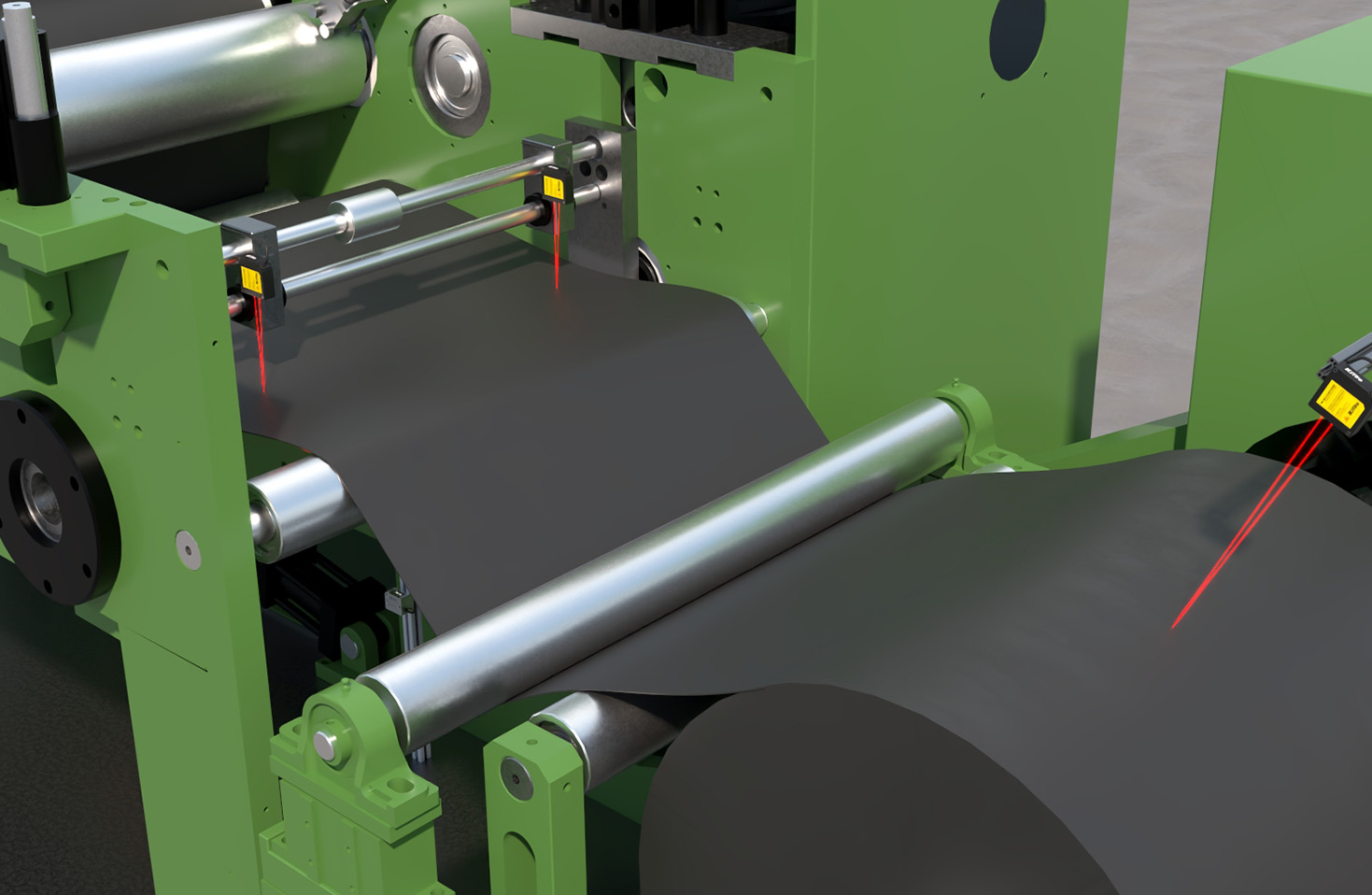
The applications of laser sensor imaging are vast and transformative across numerous sectors. In industrial automation and robotics, it is indispensable for quality control, where it performs non-contact inspection of component dimensions, surface defects, and assembly verification with speed and precision unmatched by human operators. Autonomous vehicles rely heavily on LiDAR imaging to create real-time, high-definition 3D maps of their surroundings, allowing them to navigate complex environments, identify obstacles, and ensure passenger safety. In the realm of geospatial mapping and surveying, airborne laser scanners generate accurate digital elevation models of terrain, forests, and urban landscapes, aiding in environmental monitoring, urban planning, and archaeological discovery. The medical field benefits through applications in dentistry for intraoral 3D scanning and in surgery for precise anatomical modeling.
Furthermore, the architecture, engineering, and construction (AEC) industry utilizes laser scanning for as-built documentation, renovation planning, and structural analysis, creating accurate digital twins of existing facilities. In consumer electronics, the technology enables facial recognition for device security and powers immersive augmented reality experiences by understanding the depth and geometry of the user's environment.
The advantages of laser-based imaging are compelling. It operates effectively in a wide range of lighting conditions, including total darkness, as it provides its own illumination. It delivers exceptionally high resolution and accuracy for both geometric shape and depth information. However, challenges persist. The performance of some systems can be degraded by adverse weather conditions like heavy fog or rain, which scatter the laser beams. The high cost of precision components, particularly for long-range, high-resolution systems, has historically been a barrier to mass adoption, though costs are steadily decreasing. Processing the enormous volumes of data generated by high-speed scanners also demands significant computational power.
Looking forward, the trajectory of laser sensor imaging points toward greater miniaturization, reduced power consumption, and enhanced cost-effectiveness, paving the way for integration into a broader array of devices. The convergence with other sensing modalities, such as high-resolution RGB cameras and radar, will lead to more robust and information-rich perception systems. Advances in solid-state LiDAR, which uses no moving mechanical parts, promise increased durability, smaller form factors, and faster scanning rates. Simultaneously, breakthroughs in artificial intelligence and machine learning are revolutionizing data interpretation, enabling real-time object classification, semantic segmentation, and predictive analytics directly from point cloud data.
In conclusion, laser sensor imaging stands as a pivotal technology shaping the future of perception and measurement. By converting physical spaces into precise, actionable digital data, it unlocks new levels of automation, safety, and understanding across diverse fields. As the technology continues to evolve, becoming more accessible and intelligent, its role in powering the next generation of smart machines, intelligent infrastructure, and digital innovation will only become more profound and widespread.