In the quest for more efficient, adaptable, and energy-conscious sensing solutions, engineers and biologists are increasingly turning to the natural world. Among the most fascinating inspirations emerging from this field of biomimetics is the concept of the "snail eye proximity sensor." This technology draws direct inspiration from the unique visual and sensory systems of terrestrial snails, offering a novel approach to detecting objects and navigating environments.
Unlike the complex, image-forming eyes of vertebrates, a snail's eyes are simple structures located at the tips of its upper tentacles. These eyes are exceptionally good at detecting changes in light intensity and shadow, effectively sensing the proximity of obstacles or predators. They do not see detailed images but perceive the world as a gradient of light and dark, which is perfectly sufficient for their slow-paced, tactile lifestyle. This principle of basic light-gradient detection for proximity sensing is the core biological mechanism being replicated.
The engineering translation of this biological principle involves the development of simple, low-power optical sensors. A basic prototype of a snail-eye-inspired sensor typically consists of a light source, such as an LED, and a light detector, like a photodiode or phototransistor, arranged in a specific configuration. The sensor works by emitting light and then measuring the amount of light reflected back from objects in its vicinity. The key innovation lies in the interpretation of the signal. Instead of striving for high-resolution distance measurement, these sensors are designed to detect the presence or approach of an object within a defined "shadow zone" by monitoring subtle shifts in the reflected light pattern, much like a snail would sense a looming shadow.
The advantages of such a system are manifold. First and foremost is energy efficiency. By focusing on a simple binary or gradient output (object near/object far), rather than continuous, precise ranging, these sensors consume a fraction of the power required by conventional LiDAR or sophisticated time-of-flight cameras. This makes them ideal for applications where power is a premium, such as in small, autonomous robots, wearable devices, or long-deployment environmental monitoring sensors.
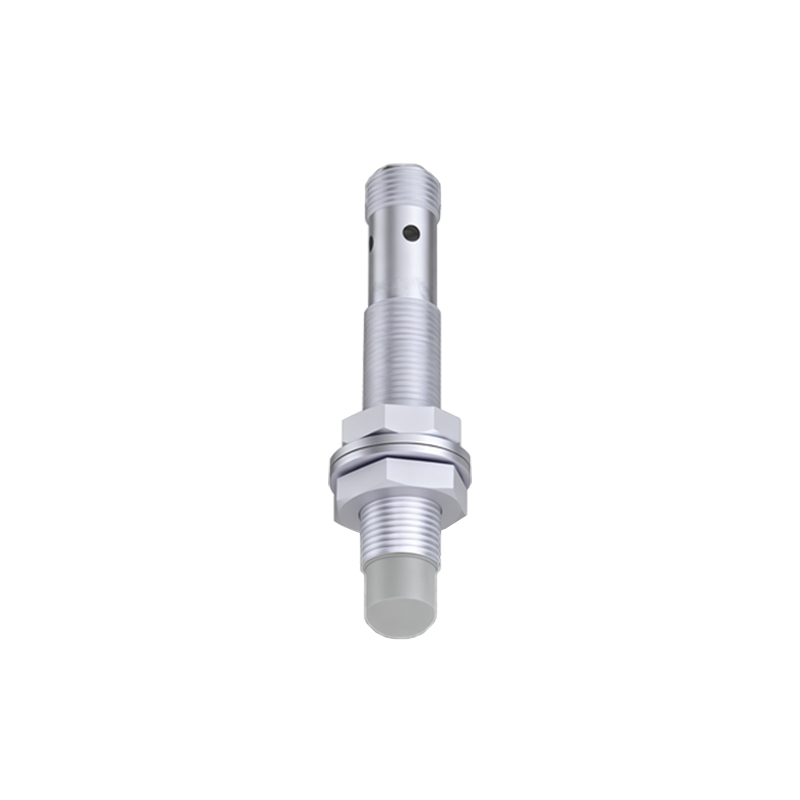
Secondly, they offer remarkable robustness and simplicity. With fewer components and less complex data processing requirements than advanced vision systems, snail-eye sensors are less prone to failure and can operate reliably in varied environmental conditions where dirt, dust, or moisture might impair more delicate optical systems. Their design inherently avoids the computational overhead associated with image processing.
Potential applications are diverse. In micro-robotics, small robots could use arrays of these simple sensors for basic obstacle avoidance and wall-following behaviors, mimicking a snail's navigation. In smart home devices, they could provide presence detection for lighting control without the privacy concerns associated with cameras. They could be integrated into the bumpers of consumer electronics for intuitive user interaction, or used in industrial settings for non-contact detection of objects on conveyor belts where only basic proximity data is needed.
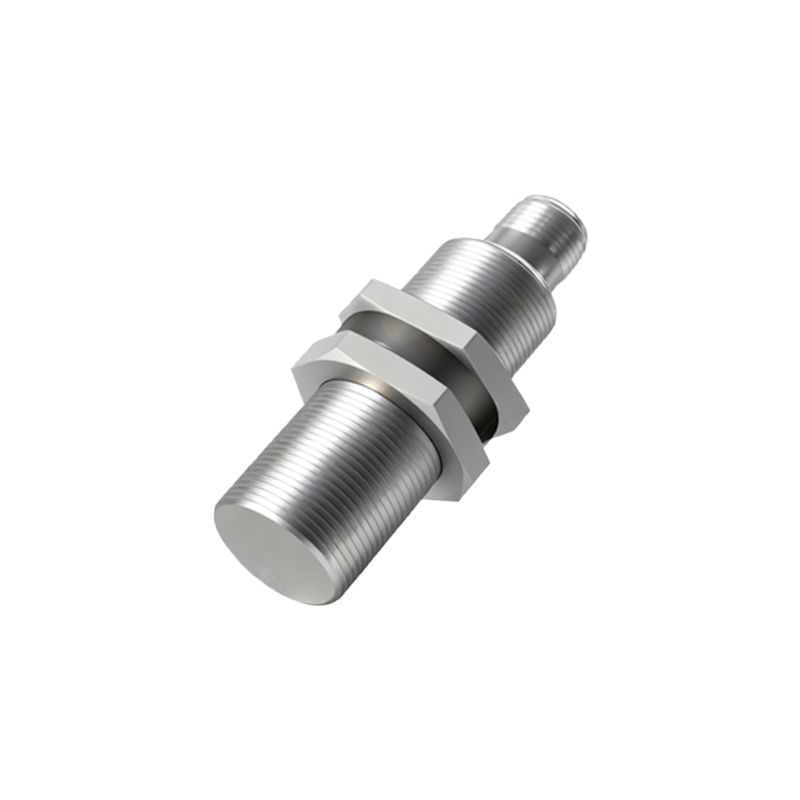
Furthermore, this bio-inspired approach encourages a paradigm shift in sensor design: from seeking maximum data and resolution to designing for "sufficiency." A snail's survival does not depend on a high-definition view of the world but on a reliable, low-energy alert system for immediate threats and opportunities. This philosophy of "just enough" sensing is highly relevant for the expanding Internet of Things (IoT), where billions of sensors will need to operate sustainably.
Current research is exploring ways to enhance the basic concept. This includes developing sensor arrays that mimic the distributed nature of a snail's tentacles to gain directional information, or combining the optical data with other simple sensory inputs to create a more comprehensive picture of the immediate environment. The goal is not to replace high-performance sensors but to create a new, complementary class of ultra-efficient proximity detectors.
In conclusion, the snail eye proximity sensor stands as a compelling example of how biomimetics can lead to elegant, efficient technological solutions. By learning from a creature that has perfected the art of slow, energy-efficient survival over millions of years, engineers are developing sensors that prioritize robustness, low power consumption, and functional simplicity. As we build more pervasive and autonomous technological systems, such nature-inspired designs will be crucial in creating a future that is not only smart but also sustainable and resilient.