In industrial automation and electronic design, proximity sensor switches are indispensable components for detecting the presence or absence of objects without physical contact. Their pricing is a critical factor for engineers, procurement specialists, and business owners. The cost of a proximity sensor switch is not a single figure but a spectrum influenced by a complex interplay of technology, specifications, and market dynamics.
At its core, the price is primarily dictated by the sensing technology. Inductive proximity sensors, designed to detect metallic objects, are generally the most cost-effective, with basic shielded models starting as low as $15 to $30 USD. Capacitive sensors, capable of detecting both metallic and non-metallic materials like liquids or plastics, typically command a higher price, ranging from $30 to $70 for standard units. For longer-range detection or specific material requirements, ultrasonic and photoelectric sensors enter a higher price bracket, often between $50 and $150 or more, depending on their sensing range and environmental robustness.
Beyond the core technology, specifications drastically alter the price. Sensing range is a major contributor; a sensor with a 2mm range will be significantly cheaper than one rated for 20mm. The housing material also plays a role—nickel-plated brass or stainless steel housings for corrosive or washdown environments (IP67, IP69K ratings) increase cost compared to standard PVC or plastic. Output configuration (PNP vs. NPN, NO vs. NC) and connection type (pre-wired cable vs. quick-disconnect) add further variables. A high-performance inductive sensor from a leading brand like Omron, Sick, or Pepperl+Fuchs, with an extended range, stainless steel body, and analog output, can easily exceed $200.
The source of purchase is another crucial layer. Direct purchasing from authorized distributors or manufacturers often yields the best quality and warranty support at a premium price. Online marketplaces like Amazon or AliExpress offer a wide range, including very low-cost options (sometimes under $10), but these may lack consistency, reliable documentation, or long-term availability. The trade-off between initial cost and total cost of ownership, which includes maintenance, downtime, and replacement, must be carefully considered for industrial applications.
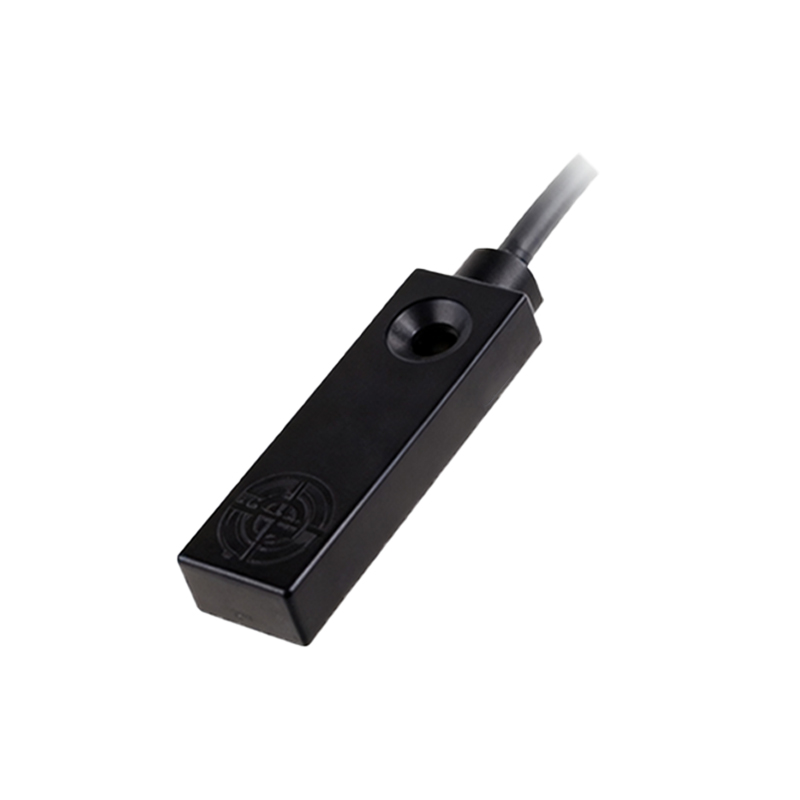
Market trends also exert influence. The growing adoption of Industry 4.0 and IoT has increased demand for sensors with digital communication capabilities (IO-Link, Profinet), adding $10 to $50 to the base price but offering valuable diagnostic and parameterization data. Conversely, mass production and competition, especially from Asian manufacturers, have placed downward pressure on prices for standard, low-specification models.
For accurate budgeting, it is essential to define the application requirements precisely: target material, required sensing distance, environmental conditions (temperature, contaminants), needed output signal, and required housing rating. Obtaining quotes from multiple suppliers for identical specifications is the most reliable method. While the initial purchase price is important, selecting a sensor based solely on the lowest cost can lead to premature failure, inaccurate readings, and costly production interruptions. Investing in a correctly specified, reliable sensor from a reputable supplier often proves more economical over the lifecycle of a machine or system.