The landscape of industrial automation, autonomous systems, and precision measurement is being fundamentally reshaped by advancements in laser sensor technology. At the heart of this transformation are specialized companies dedicated to pushing the boundaries of what's possible with light detection and ranging (LiDAR), triangulation, time-of-flight, and other laser-based sensing principles. These firms are not merely component suppliers; they are enablers of innovation across a dizzying array of sectors.
A key player in this domain is SICK AG, a German powerhouse renowned for its comprehensive portfolio of factory and logistics automation sensors. Their laser sensors are synonymous with reliability in challenging environments, offering solutions for distance measurement, object detection, and contour profiling. From ensuring the precise positioning of robotic arms on an assembly line to guiding automated guided vehicles (AGVs) through dynamic warehouses, SICK's technology provides the critical "eyes" for smart manufacturing.
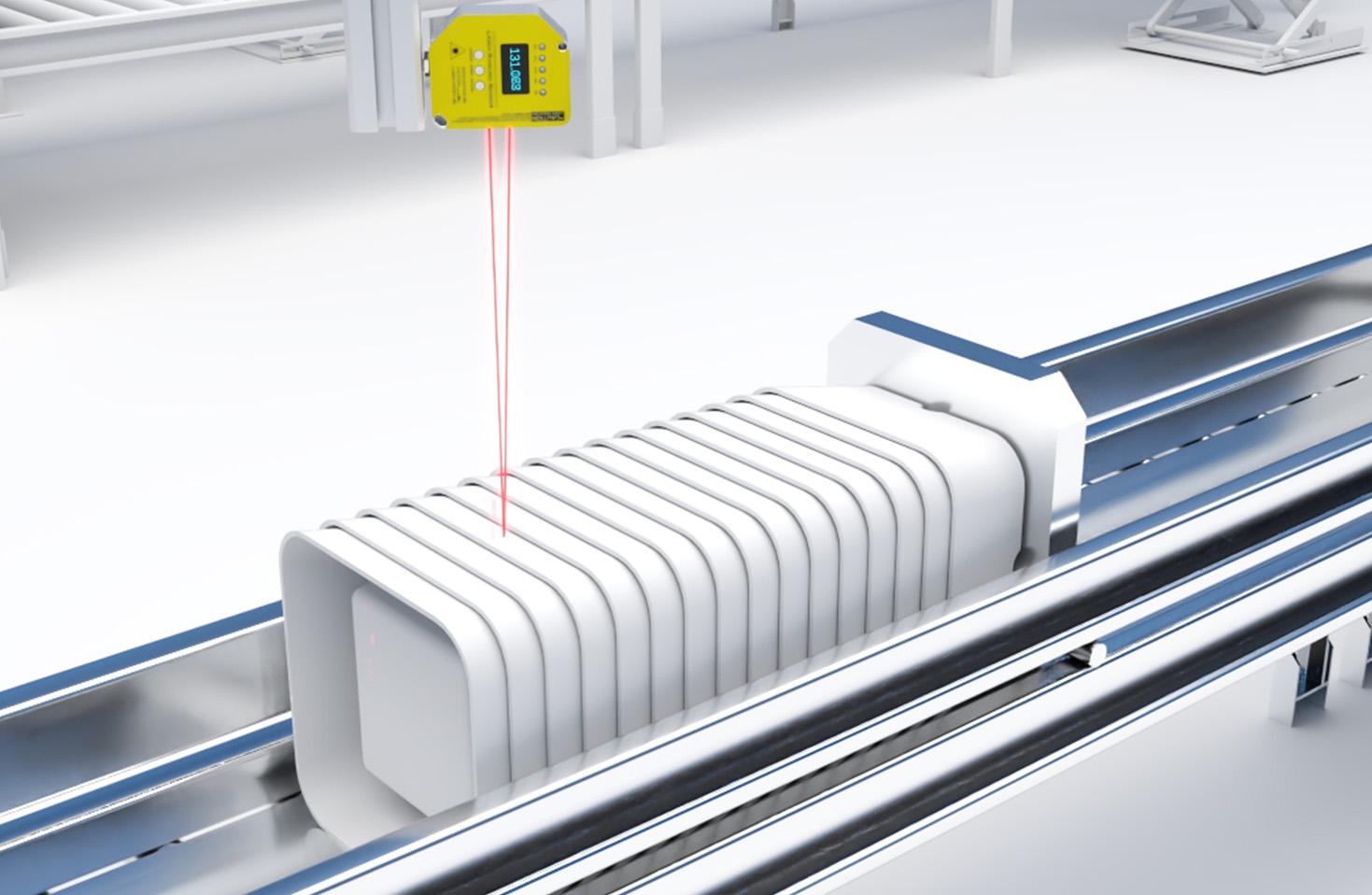
Hailing from Japan, KEYENCE Corporation has carved out a dominant position with its high-precision, user-friendly laser displacement and profile sensors. KEYENCE excels in delivering turnkey measurement solutions, often combining sophisticated hardware with intuitive software. Their sensors are instrumental in quality control processes, performing micron-level inspections of semiconductor wafers, verifying the dimensions of machined parts, and monitoring surface defects at high speeds, thereby upholding stringent manufacturing standards.
For the automotive industry and robotics, Velodyne Lidar (now part of Velodyne Lidar, Inc. following a merger) was a pioneering force. They helped popularize 360-degree rotating LiDAR sensors, which became a cornerstone for early autonomous vehicle development by creating detailed, real-time 3D maps of surroundings. While the competitive landscape has evolved, their technology laid crucial groundwork for perception systems that require a high-fidelity understanding of complex environments.
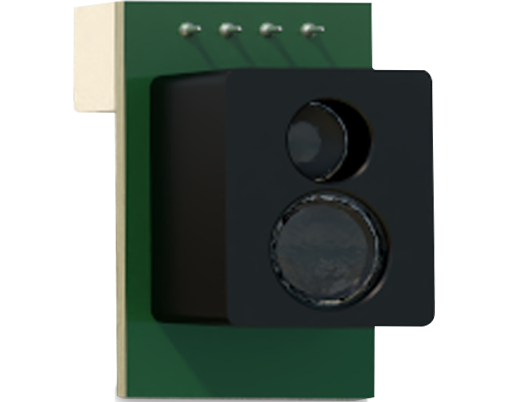
Another significant contributor is Banner Engineering Corp., an American firm known for robust and versatile photoelectric and ultrasonic sensors, with a strong line in laser sensors. Banner's products are designed for durability and ease of integration, making them a favorite in packaging, material handling, and automotive applications. Their laser sensors reliably detect small objects, measure precise distances, and ensure correct part placement, often in spaces where other technologies struggle.
In the realm of long-range, high-performance LiDAR, Ouster, Inc. has made waves with its digital solid-state LiDAR technology. Their approach aims to deliver the performance required for automotive and industrial automation in a more scalable, cost-effective package. By moving towards solid-state designs with no moving parts, companies like Ouster are working to enhance reliability and bring advanced laser sensing to a broader market.
Pepperl+Fuchs is a global leader in industrial sensor technology and intrinsic safety. Their expertise in laser sensors, particularly for distance measurement and positioning, is critical in process automation and hazardous areas. Industries such as oil and gas, chemical, and pharmaceuticals rely on their intrinsically safe laser sensors for accurate level monitoring and positioning where explosive atmospheres are a concern, ensuring both precision and safety.
The collective impact of these companies extends far beyond their product catalogs. They are solving core challenges: enhancing safety for autonomous machines, enabling unprecedented levels of manufacturing accuracy, optimizing logistics, and providing the essential data for digital twins and Industry 4.0 initiatives. The evolution continues towards miniaturization, increased data processing at the edge, lower power consumption, and greater resilience against environmental interference like ambient light or dust.
Choosing the right laser sensor company depends heavily on the specific application. Factors such as required range, accuracy, speed, environmental conditions, and integration capabilities are paramount. The ongoing research and development from these innovators promise a future where laser sensors become even more pervasive, intelligent, and integral to the seamless operation of our automated world, driving efficiency and enabling new technological frontiers that we are only beginning to imagine.