In today's rapidly evolving industrial and consumer electronics landscapes, the demand for adaptable and efficient sensing technologies has never been higher. Among these, removable proximity sensors stand out as a pivotal innovation, offering unparalleled flexibility and ease of integration. These sensors detect the presence or absence of objects within a specified range without physical contact, leveraging technologies such as inductive, capacitive, ultrasonic, or photoelectric principles. What sets removable proximity sensors apart is their modular design, allowing for quick installation, replacement, or repositioning to meet changing operational needs. This feature is particularly valuable in dynamic environments like manufacturing lines, robotic systems, and smart infrastructure, where sensor configurations must frequently adapt to new tasks or layouts.
The core advantage of removable proximity sensors lies in their ability to reduce downtime and maintenance costs. Traditional fixed sensors often require extensive rewiring or system shutdowns for adjustments, leading to productivity losses. In contrast, removable variants can be detached and reattached with minimal effort, often using standardized connectors or mounting interfaces. This plug-and-play functionality not only streamlines workflow but also enhances scalability, as additional sensors can be deployed without overhauling existing setups. For instance, in automotive assembly plants, these sensors enable rapid reconfiguration for different vehicle models, ensuring precise part alignment and quality control. Similarly, in warehouse automation, they facilitate real-time inventory tracking by being easily relocated along conveyor belts or storage racks.
From a technical perspective, removable proximity sensors maintain high reliability despite their detachable nature. Advanced sealing techniques protect internal components from dust, moisture, and mechanical stress, ensuring consistent performance in harsh conditions. Many models also incorporate self-diagnostic features, alerting users to potential issues like calibration drift or signal interference. Compatibility with industry-standard protocols, such as IO-Link or Ethernet/IP, further simplifies integration into broader IoT ecosystems, enabling data exchange for predictive maintenance and process optimization. For example, a sensor detecting material levels in a chemical tank can transmit real-time data to a central system, triggering automated refills or safety alerts.
In consumer applications, removable proximity sensors are gaining traction in smart home devices and wearable technology. They allow for customizable user interactions, such as gesture control in lighting systems or presence detection in security cameras, without permanent installations. This versatility encourages innovation, as developers can experiment with sensor placements to enhance functionality. Environmental sustainability also benefits, as removable sensors extend product lifespans by enabling upgrades or repairs instead of full replacements.
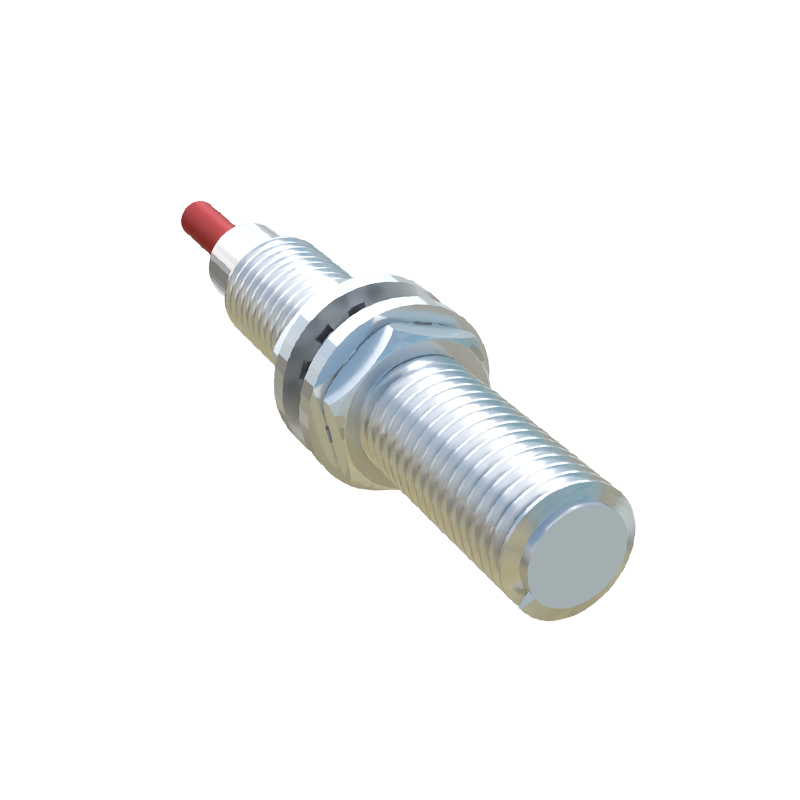
Despite their advantages, selecting the right removable proximity sensor requires careful consideration of factors like sensing range, response time, and environmental resilience. Users must assess whether inductive sensors for metal detection or capacitive sensors for non-metallic materials best suit their needs. Regular calibration and adherence to manufacturer guidelines are essential to maintain accuracy. Looking ahead, advancements in wireless connectivity and miniaturization are poised to expand their applications, from agile robotics to adaptive urban infrastructure. Ultimately, removable proximity sensors represent a shift toward more resilient and intelligent automation, empowering industries to respond swiftly to changing demands while optimizing resource use.