In industrial automation and smart device design, the integration of proximity sensors is fundamental for enabling non-contact detection of objects. Traditionally, many of these sensors have been permanently installed, embedded into machinery or electronic assemblies. However, a significant shift is occurring with the growing adoption of removable or detachable proximity sensors. This design evolution offers a new level of operational flexibility and simplifies maintenance procedures, presenting compelling advantages across various sectors.
The core concept of a removable proximity sensor is straightforward: the sensing element is housed in a unit that can be easily disconnected from its mount or wiring harness without requiring specialized tools or extensive downtime. This is often achieved through standardized quick-connect couplings, robust plug-and-play connectors, or modular mounting brackets. Unlike their fixed counterparts, these sensors are not soldered or permanently screwed into place. This detachability fundamentally changes how systems are designed, maintained, and upgraded.
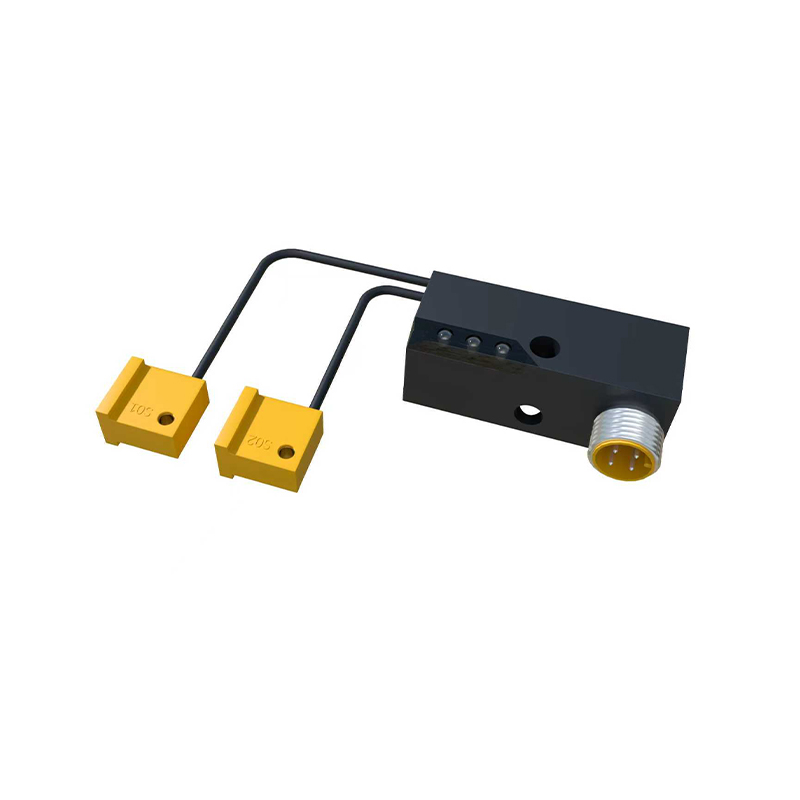
One of the most prominent benefits is the dramatic reduction in maintenance time and cost. In a production environment, a failed sensor on a critical machine can halt an entire line. With a permanently installed sensor, replacement involves de-energizing the system, cutting wires, splicing new connections, and potentially recalibrating—a time-consuming and error-prone process. A removable sensor, however, can be swapped out in minutes. A technician simply unplugs the faulty unit and inserts a new, pre-configured one. This minimizes production losses and allows for faster return to normal operations, significantly boosting overall equipment effectiveness (OEE).
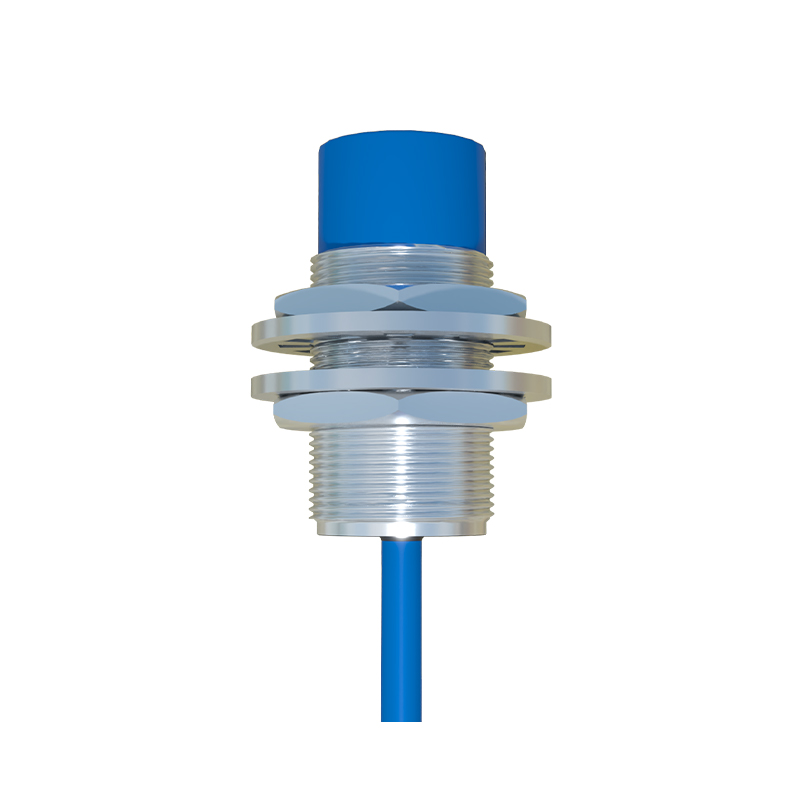
This feature also greatly enhances system flexibility and scalability. During initial setup or process changes, engineers can easily reposition sensors to optimize detection points without rewiring. In research and development or prototyping labs, removable sensors allow for quick reconfiguration of test benches and experimental setups. For modular machinery or mobile equipment, sensors can be detached for safe storage or transport and reattached rapidly at the next site. This adaptability future-proofs installations, as sensor technology can be upgraded independently of the main machine structure.
From an inventory and logistics standpoint, standardization becomes more feasible. Facilities can stock a smaller number of interchangeable, removable sensor units as universal spares for multiple machines, rather than maintaining a large inventory of machine-specific, hard-wired sensors. This simplifies supply chain management and reduces capital tied up in spare parts. Furthermore, the ability to easily remove sensors facilitates proper cleaning and calibration in controlled environments, which is crucial in industries like food and beverage or pharmaceuticals where hygiene and precision are paramount.
The design and implementation of removable proximity sensors do require careful consideration. The connection interface must be robust enough to withstand industrial vibrations, temperature fluctuations, and potential exposure to dust, moisture, or oils. Connectors need to be designed for high-cycle durability to maintain electrical integrity over hundreds of mating cycles. Proper labeling and documentation are essential to ensure correct reinstallation. Despite these considerations, advancements in connector technology and housing materials have made reliable, industrially-hardened removable sensors a practical reality.
Applications are widespread. In automotive assembly, removable sensors on robotic arms allow for quick tooling changes. In packaging lines, they enable fast format changeovers. In complex material handling systems, they permit easy access for cleaning without dismantling entire sections. Even in consumer electronics, the concept is gaining traction for modular devices designed for repairability and longevity, aligning with broader sustainability goals.
In conclusion, the move toward removable proximity sensors represents a pragmatic response to the needs of modern, agile manufacturing and system design. By decoupling the sensor from a permanent installation, organizations unlock superior maintenance efficiency, operational flexibility, and lifecycle management. This approach not only addresses immediate practical challenges but also aligns with trends toward modularity, upgradability, and reduced total cost of ownership. As industries continue to prioritize uptime and adaptability, the role of easily detachable sensing components is poised to become increasingly standard, moving from a convenient feature to a critical design principle.