Magnetic proximity sensors are fundamental components in modern industrial automation and countless electronic devices. Unlike optical or ultrasonic sensors, they detect the presence or absence of a magnetic field, typically generated by a permanent magnet. Their operation hinges on a simple yet robust principle: a change in the magnetic field triggers a switching action within the sensor. This non-contact detection method makes them exceptionally reliable in harsh environments where dirt, dust, oil, or moisture would compromise other sensing technologies. The core of their functionality lies in the use of magnetically sensitive elements, most commonly reed switches or Hall-effect integrated circuits.
Reed switch-based sensors contain two ferromagnetic reeds sealed within a glass capsule filled with an inert gas. When an external magnet approaches, the reeds magnetize, attract each other, and make contact, closing the circuit. When the magnet moves away, the reeds spring back to their original position, breaking the contact. These sensors are known for their simplicity, low cost, and ability to switch relatively high loads directly. However, they have limitations in switching speed and mechanical lifespan due to moving parts.
Hall-effect sensors represent a more advanced and widely used technology. They utilize a semiconductor element that generates a voltage difference—the Hall voltage—when exposed to a magnetic field and simultaneously carries an electric current. This voltage is then processed by integrated electronics to produce a clean, digital output signal. Solid-state Hall sensors offer significant advantages: extremely fast response times, virtually unlimited operational life (no moving parts to wear out), high switching frequency, and excellent resistance to shock and vibration. They can be further categorized into unipolar (responding to one pole of a magnet), bipolar (requiring alternating poles to switch), and omnipolar (responding to either pole).
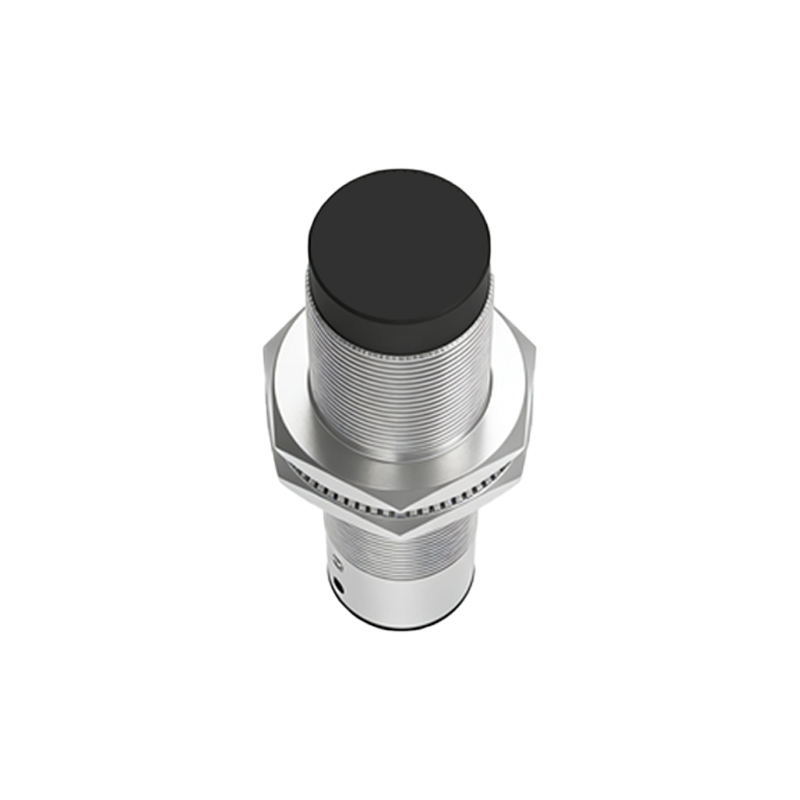
The selection of a magnetic proximity sensor depends heavily on the application's specific requirements. Key parameters include sensing distance, which is influenced by magnet strength and size; output type (NPN or PNP transistor, NO or NC); supply voltage; housing material (often nickel-plated brass or stainless steel for durability); and environmental protection ratings like IP67 or IP69K for washdown or outdoor use. Electrical connection styles, such as pre-wired cables or quick-disconnect plugs, also factor into the decision.
Applications for magnetic proximity sensors are vast and varied. In factory automation, they are indispensable for position detection on linear actuators, cylinder piston positioning, and rotary speed monitoring on conveyor systems. The automotive industry relies on them for gearbox speed sensing, seat belt buckle detection, and door/window open-close status. In consumer appliances, they ensure safety in washing machine lids or blender jars. A particularly critical application is in hazardous or explosive atmospheres; intrinsically safe versions with low energy outputs can be used to detect valve positions or machine guards without risk of ignition.
When integrating these sensors, proper installation is crucial for reliable operation. The sensor and magnet must be aligned correctly, typically facing each other. The sensing distance listed in datasheets is usually the nominal value under ideal conditions; a safety factor should be applied in real-world designs. Engineers must also consider the magnetic field's behavior, avoiding interference from other magnetic sources or ferrous metals in the environment, which can shield or distort the field. For high-speed counting applications, ensuring the magnet's pass-by speed does not exceed the sensor's maximum switching frequency is essential.
Maintenance is generally minimal due to the non-contact nature of sensing. The primary concerns are ensuring the physical integrity of the housing and cable and periodically checking for the accumulation of ferrous debris on the sensor face, which could attenuate the magnetic signal. For reed switches, mechanical shock over time can potentially affect calibration, whereas Hall-effect sensors are largely immune to such issues.
In summary, magnetic proximity sensors offer a unique blend of durability, reliability, and cost-effectiveness for object detection tasks. Their immunity to environmental contaminants and ability to operate without physical contact make them a preferred choice across heavy industry, automotive engineering, and smart device design. Understanding the underlying technology—whether reed switch or Hall-effect—and carefully matching specifications like sensing range, output configuration, and environmental rating to the application's demands are the keys to successful implementation and long-term system performance.