In an era where miniaturization defines technological advancement, ultra-miniature proximity sensors have emerged as critical, yet often unseen, components. These devices, sometimes smaller than a grain of rice, are engineered to detect the presence or absence of an object within a tiny sensing range without any physical contact. Their operation hinges on various principles, including electromagnetic, capacitive, and optical technologies, each tailored for specific environmental and application demands.
The core value of these sensors lies in their exceptional precision and reliability within an incredibly compact form factor. Designers and engineers face the significant challenge of integrating sensing capabilities into ever-shrinking devices where space is at an absolute premium. Ultra-miniature proximity sensors meet this challenge head-on. They are meticulously designed to fit into tight mechanical assemblies, often in locations where traditional sensors simply cannot go. This allows for innovative product designs that are sleeker, more efficient, and more functional.
The applications for these tiny sentinels are vast and growing. In the consumer electronics sector, they are ubiquitous. Smartphones utilize them to disable the touchscreen when held to the ear during a call, preventing accidental inputs. In laptops and tablets, they help conserve battery life by detecting when the lid is closed or when a user is absent. The wearable technology market, including smartwatches and fitness trackers, relies on them for features like automatic display wake-up upon wrist movement.
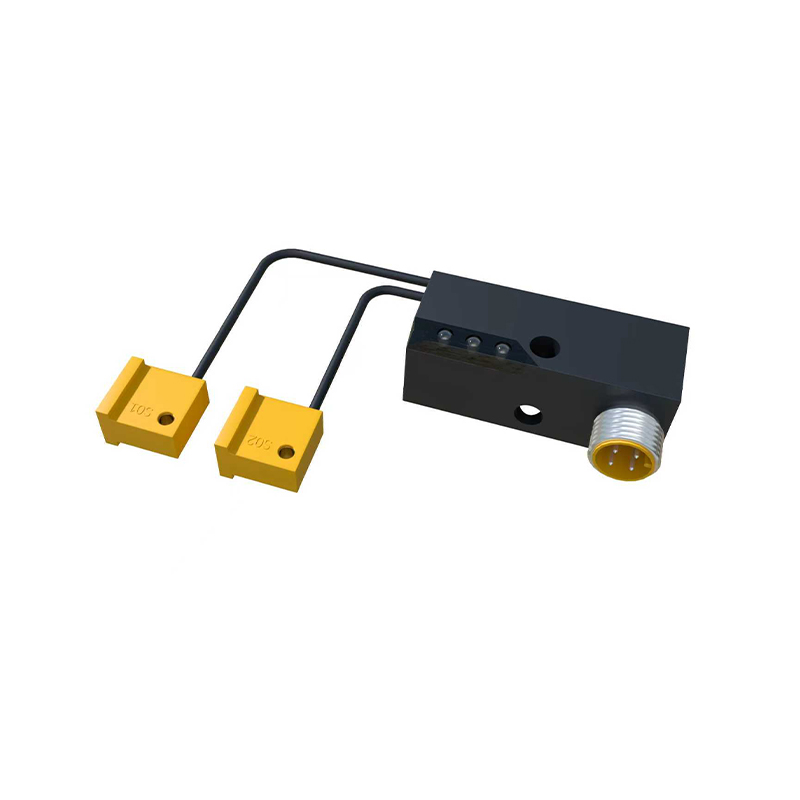
Beyond personal devices, their impact is profound in industrial automation and robotics. Miniature sensors enable precise object detection on high-speed assembly lines, guide robotic arms in delicate pick-and-place operations, and ensure safety by monitoring machine guards and access points. Their small size allows them to be embedded directly into robotic joints or tool heads, providing real-time feedback for intricate movements.
The medical device industry presents another frontier where precision and size are non-negotiable. Ultra-miniature sensors are integral to advanced surgical tools, diagnostic equipment, and implantable devices. They can provide tactile feedback in robotic surgery systems, detect fluid levels in infusion pumps, or monitor positional changes in miniature internal medical devices, enhancing both safety and efficacy for patients.
The development and manufacturing of these sensors involve cutting-edge micro-fabrication techniques. Creating a reliable sensing element, the necessary signal conditioning circuitry, and a protective housing all within a millimeter-scale package requires sophisticated engineering. Materials must be chosen not only for durability but also for their electromagnetic properties to prevent interference and ensure stable performance. Manufacturers must rigorously test these sensors for factors like temperature tolerance, shock resistance, and long-term stability to guarantee they perform consistently in real-world conditions.
Looking forward, the trajectory for ultra-miniature proximity sensors points toward even greater integration and intelligence. The convergence with low-power wireless communication protocols like Bluetooth Low Energy (BLE) is creating a new class of wireless sensor nodes for the Internet of Things (IoT). Future sensors may incorporate basic on-chip processing to provide more refined data, reducing the load on central processors. Furthermore, advancements in materials science could lead to flexible or even biodegradable sensors, opening possibilities in novel fields like smart packaging or temporary medical implants.
In conclusion, ultra-miniature proximity sensors are fundamental enablers of modern innovation. By providing reliable, non-contact detection in spaces previously inaccessible, they empower designers to break traditional size barriers. From the smartphone in your pocket to the automated factory floor and advanced surgical suites, these invisible guardians work silently to enhance functionality, improve efficiency, and enable new technological possibilities. Their continued evolution will undoubtedly be a key driver in the next wave of miniaturized and intelligent devices.