In the demanding world of industrial automation, sensors are the unsung heroes, providing the critical data that keeps processes running smoothly and safely. Among these, proximity sensors play a pivotal role in detecting the presence or absence of objects without physical contact. However, in countless applications—from automotive manufacturing and food processing to machining and chemical handling—these sensors face a relentless adversary: oil. Standard proximity sensors can fail prematurely when exposed to oils, greases, coolants, and cutting fluids, leading to costly downtime, maintenance headaches, and potential safety risks. This is where the specialized technology of oil-resistant proximity sensors becomes not just an option, but a necessity.
Oil contamination presents a multi-faceted threat to conventional sensor operation. Oils can seep into housing seals, degrading internal electronics and causing short circuits. They can coat the sensing face, attenuating the electromagnetic or ultrasonic field and leading to false readings or a complete loss of detection. Certain aggressive synthetic oils and hydraulic fluids can chemically attack and corrode sensor housing materials, compromising structural integrity. The result is unreliable performance, frequent replacements, and increased total cost of ownership.
Engineered to withstand these challenges, oil-resistant proximity sensors are built with a focus on robust sealing, durable materials, and resilient design. The first line of defense is the housing. Manufacturers utilize high-grade materials such as stainless steel (particularly V4A/AISI 316), which offers excellent resistance to a wide range of oils and chemicals, or specially formulated engineering plastics like PBT or PPS that resist swelling and degradation. The sensing face, often the most vulnerable point, is typically made of a chemically inert material like PTFE (Teflon) or a specially coated glass-reinforced polymer. This barrier prevents oil films from adhering to the active surface, ensuring consistent sensing performance.
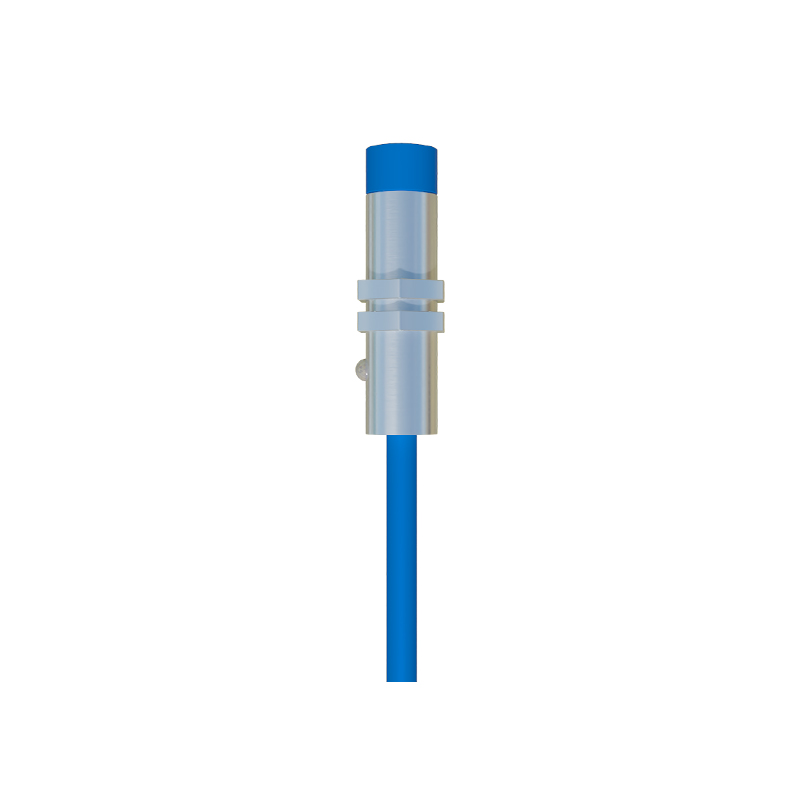
The sealing system is arguably the most critical component. High-quality oil-resistant sensors employ multiple sealing strategies. This includes precision O-rings made from materials like FKM (Viton) or FFKM (Kalrez), which maintain elasticity and sealing force even after prolonged exposure to hydrocarbons and high temperatures. Many designs feature laser-welded housings or potted electronics, creating a hermetic seal that is virtually impervious to fluid ingress. These construction techniques often grant the sensors high Ingress Protection (IP) ratings, such as IP67, IP68, or IP69K, certifying their resistance not only to oils but also to water, dust, and high-pressure washdowns.
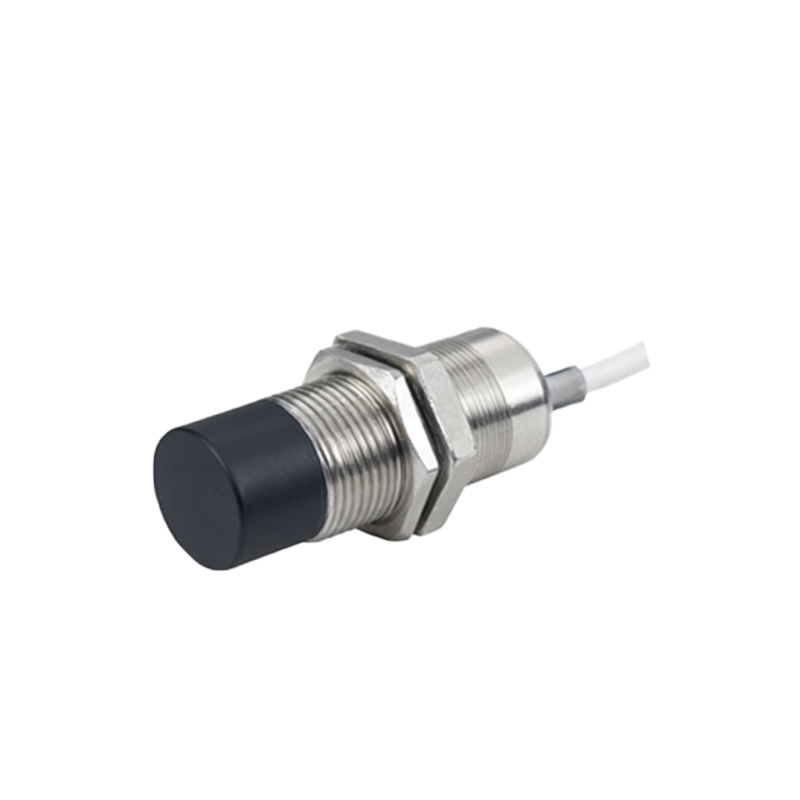
The benefits of deploying these specialized sensors are substantial and directly impact operational efficiency. The most immediate advantage is dramatically extended service life. By resisting the degrading effects of oil, these sensors reduce the frequency of failure and replacement. This translates into lower maintenance costs, less inventory for spare parts, and significantly reduced machine downtime. Reliability is enhanced; operators can trust that sensor signals will remain accurate, which is crucial for precision automation tasks like robotic welding, part positioning, or quality control inspections. Furthermore, this reliability contributes to overall plant safety by ensuring that machine guards and safety interlocks function as intended.
Selecting the right oil-resistant proximity sensor requires careful consideration of the specific application environment. Key factors include the type of oil or fluid present (mineral, synthetic, water-soluble coolant), its concentration, operating temperature range, and the presence of other contaminants like metal chips or abrasive particles. The sensing technology—inductive, capacitive, or ultrasonic—must also be matched to the target material. For instance, inductive sensors are ideal for detecting metallic objects in oily environments, while capacitive sensors might be needed for non-metallic materials. Consulting with sensor specialists and reviewing detailed specification sheets regarding fluid compatibility is essential for optimal performance.
Looking ahead, the evolution of oil-resistant sensing technology continues. Integration with Industrial Internet of Things (IIoT) platforms is becoming more common, allowing for predictive maintenance. Sensors with built-in diagnostics can monitor their own health, alerting operators to potential seal degradation or performance drift before a failure occurs. Advancements in material science promise even more resilient coatings and composites, pushing the boundaries of what these sensors can endure.
In conclusion, in environments where oil is a constant presence, standard sensors are a liability. Oil-resistant proximity sensors represent a targeted engineering solution that delivers durability, reliability, and long-term cost savings. By investing in this purpose-built technology, industries can protect their automation investments, ensure continuous production flow, and maintain the high levels of safety and quality demanded by modern manufacturing. They are a fundamental component for building resilient and efficient industrial operations.