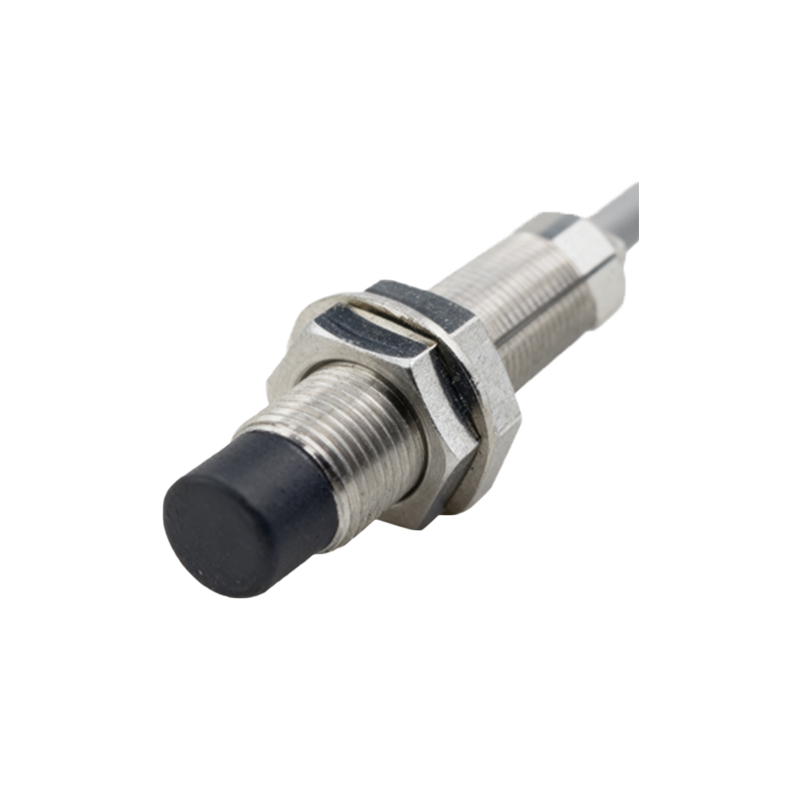
Proximity sensor switches are critical components in industrial automation, automotive systems, and consumer electronics. These non-contact devices detect the presence or absence of objects using electromagnetic fields, infrared light, or capacitive sensing. When a proximity sensor switch malfunctions, it can disrupt entire production lines or system operations. Understanding common issues and repair methods can save time and reduce costs.
The first step in repairing a proximity sensor switch is accurate diagnosis. Common symptoms of failure include inconsistent detection, no output signal, or intermittent operation. Begin by checking the power supply with a multimeter to ensure the sensor receives the correct voltage. Fluctuations or incorrect voltage often cause malfunctions. Next, inspect the wiring for loose connections, frayed cables, or corrosion. Environmental factors like moisture, dust, or metal shavings can interfere with sensor performance. Clean the sensor face with a soft cloth and isopropyl alcohol to remove contaminants.
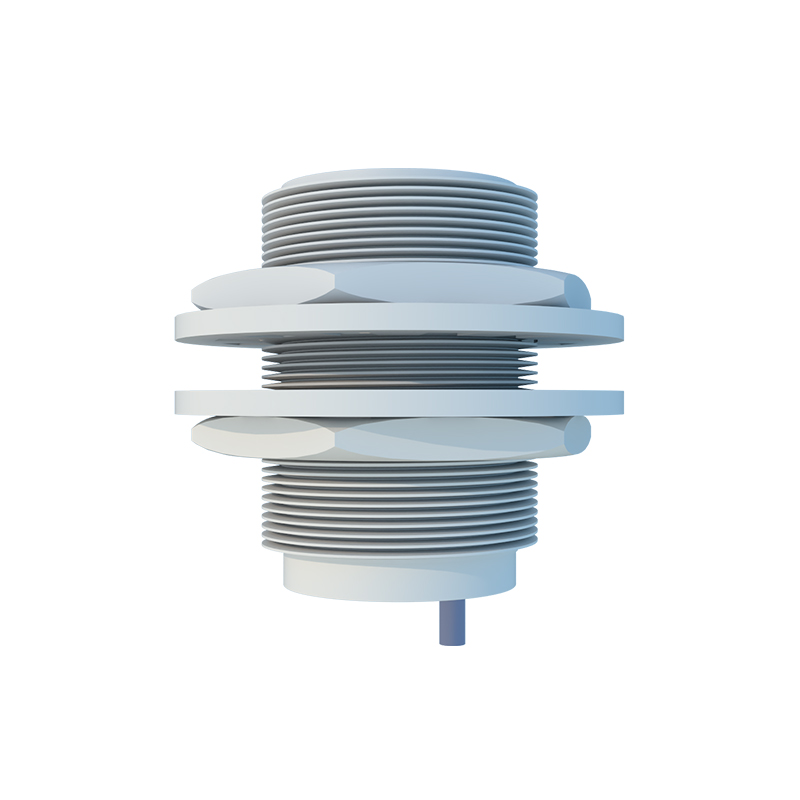
If basic checks don’t resolve the issue, test the sensor’s output. Connect an oscilloscope or multimeter to the output terminal to verify signal consistency. For inductive sensors, use a metal target at the specified sensing distance to trigger detection. If the output fails, the internal oscillator or amplifier circuit may be damaged. Capacitive sensors require dielectric material testing, while ultrasonic sensors need sound wave reflection checks. Always refer to the manufacturer’s datasheet for technical specifications.
Component-level repair involves replacing damaged parts. Common failures include burnt transistors, faulty integrated circuits, or damaged coils. Desolder the defective component using a temperature-controlled soldering iron and install a compatible replacement. For sealed sensors, consider complete housing replacement if internal circuits are inaccessible. Calibration is crucial after repairs—adjust potentiometers or use software tools to fine-tune sensitivity and hysteresis.
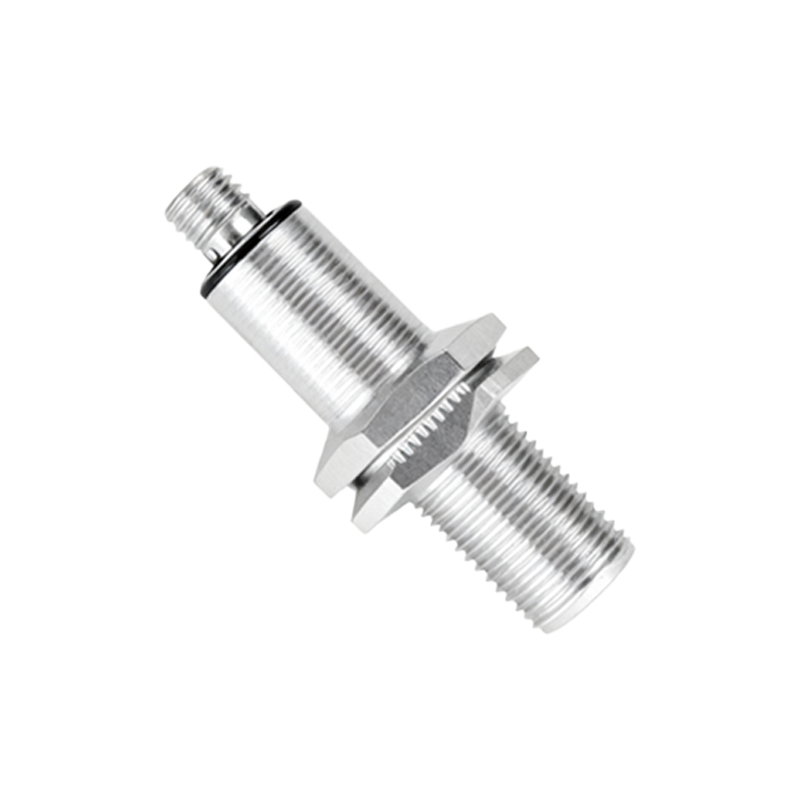
Preventive maintenance extends sensor lifespan. Install protective enclosures in harsh environments, ensure proper shielding from electrical noise, and adhere to recommended operating temperatures. Regularly update firmware for smart sensors and log performance data to predict failures. When repair isn’t feasible, select a replacement with matching parameters like sensing range, output type (PNP/NPN), and mounting style.
In summary, proximity sensor switch repair combines electrical troubleshooting, mechanical cleaning, and calibration. While complex failures may require professional service, many issues can be resolved with systematic diagnostics and basic tools. Prioritize safety by disconnecting power before repairs and following industry standards.