Human proximity sensors have become integral components in modern technology, enabling touchless interaction, safety systems, and energy efficiency across various industries. These sensors detect the presence or absence of humans within a defined range without physical contact, utilizing different technologies based on application requirements. The design process involves careful consideration of factors such as detection range, environmental conditions, power consumption, and cost-effectiveness.
One common technology is the passive infrared (PIR) sensor, which detects changes in infrared radiation emitted by the human body. PIR sensors are widely used in lighting control and security systems due to their low power consumption and simplicity. However, they may have limitations in detecting stationary individuals or in environments with fluctuating temperatures. Designers often incorporate Fresnel lenses to enhance sensitivity and coverage area, while signal processing algorithms help reduce false triggers from pets or moving objects.
Capacitive proximity sensors offer another approach by detecting changes in capacitance when a human body enters an electric field. These sensors can sense through non-conductive materials like glass or plastic, making them suitable for touchless interfaces in appliances or automotive applications. Design challenges include shielding from electromagnetic interference and calibrating sensitivity to avoid unintended activation. Advanced designs use multiple electrodes or frequency modulation to improve accuracy and stability.
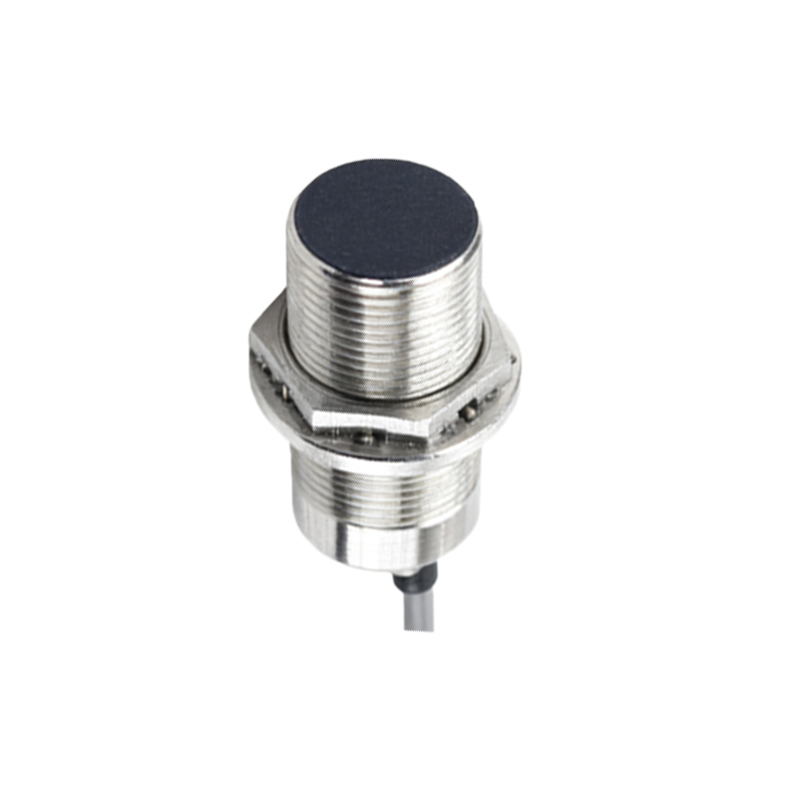
Microwave and ultrasonic sensors emit waves and analyze reflections to determine presence. Microwave sensors, operating at high frequencies, can penetrate materials and detect motion through obstacles, but require careful design to comply with regulatory standards on radiation. Ultrasonic sensors use sound waves beyond human hearing, offering precise distance measurement but may be affected by air turbulence or absorbing surfaces. Hybrid designs combining multiple technologies are emerging to overcome individual limitations, such as using PIR for initial detection and ultrasonic for confirmation.
Integration with microcontrollers and wireless communication modules enables smart functionality. Designers must address power management for battery-operated devices, often implementing sleep modes and wake-up triggers. Environmental robustness is crucial for outdoor or industrial use, requiring protection against moisture, dust, and temperature extremes. Standardization of output signals (e.g., digital pulses or analog voltages) ensures compatibility with broader systems like home automation networks or industrial controllers.
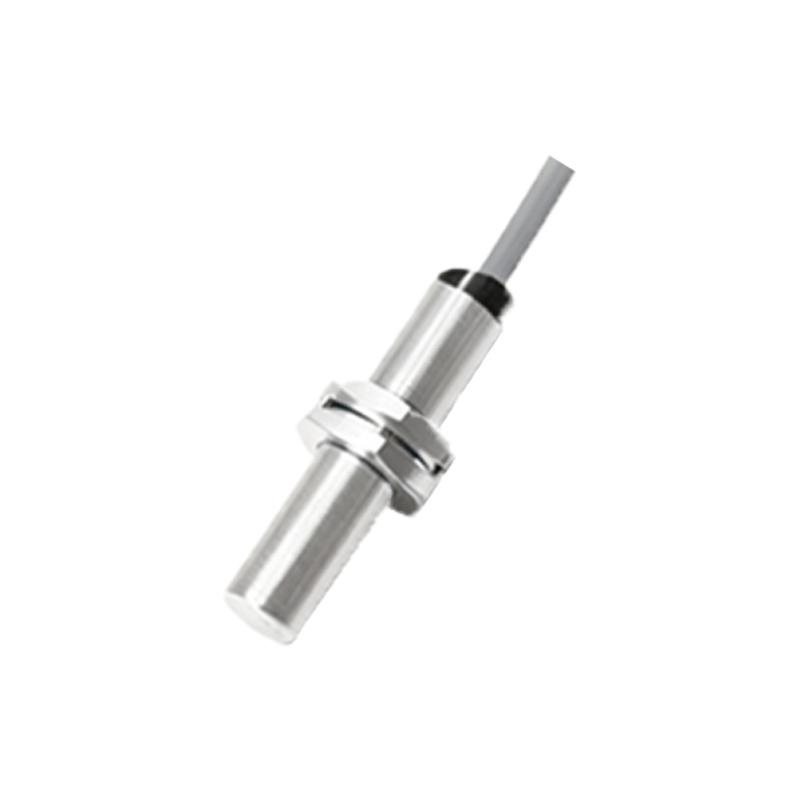
Applications span from consumer electronics to healthcare. In smartphones, proximity sensors disable touchscreens during calls to prevent accidental inputs. Automotive systems use them for hands-free trunk opening or collision avoidance. Healthcare devices incorporate sensors for fall detection or patient monitoring, where reliability is critical. Future trends include miniaturization using MEMS technology, AI-enhanced pattern recognition to distinguish human presence from other objects, and energy-harvesting designs for sustainable operation.
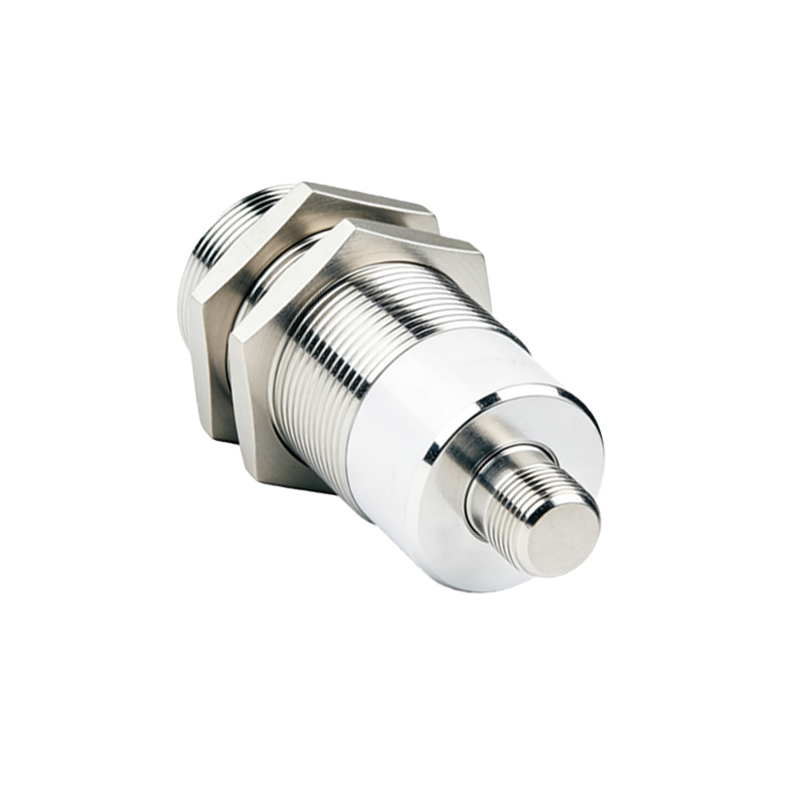
Successful design balances technical specifications with user experience, ensuring responsive detection while minimizing nuisance triggers. Prototyping and testing under real-world conditions are essential to refine performance. As technology evolves, human proximity sensors will continue enabling innovative interactions while contributing to safety and efficiency in an increasingly automated world.