In the rapidly evolving landscape of industrial automation and smart infrastructure, the proximity switch sensor network stands as a cornerstone technology, driving efficiency, safety, and intelligence. Unlike standalone sensors, a network of these devices creates a cohesive system capable of complex monitoring and control, transforming how machines and environments interact.
A proximity switch sensor is a non-contact device that detects the presence or absence of an object within its sensing range without physical contact. It operates on various principles, including inductive, capacitive, ultrasonic, and photoelectric technologies. Inductive sensors detect metallic objects, capacitive sensors respond to both metallic and non-metallic materials, ultrasonic sensors use sound waves, and photoelectric sensors rely on light beams. When integrated into a network, these sensors communicate data to a central control unit, enabling real-time decision-making across an entire facility or system.
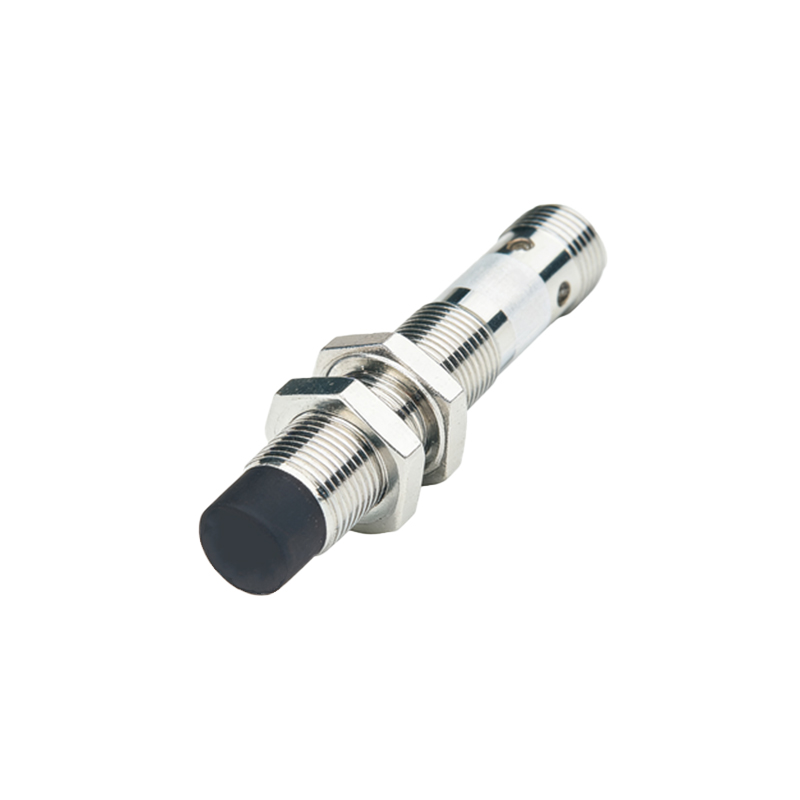
The architecture of a proximity switch sensor network typically involves multiple sensor nodes strategically placed throughout an operational area. These nodes are connected via wired protocols like IO-Link, AS-Interface, or standard industrial buses (e.g., Profibus, Modbus), or increasingly through wireless protocols such as Wi-Fi, Bluetooth Low Energy (BLE), or Zigbee. This connectivity allows for centralized data collection, analysis, and command execution. For instance, in an automotive assembly line, a network of inductive proximity sensors can track the position of a chassis, ensuring robotic arms weld at precise locations, while simultaneously signaling the conveyor system to move to the next station—all synchronized seamlessly.
The applications are vast and transformative. In manufacturing, these networks enable predictive maintenance by monitoring equipment vibration or alignment; a deviation from the norm detected by the sensor network can trigger an alert before a breakdown occurs, minimizing downtime. In warehouse logistics, networks of photoelectric sensors manage inventory by tracking goods on shelves and guiding autonomous mobile robots (AMRs) through pathways, optimizing storage and retrieval processes. The automotive industry relies on them for robotic guidance and safety curtains to protect workers. Beyond industry, they are pivotal in smart buildings, managing lighting and HVAC systems based on occupancy detected by capacitive sensor networks, thereby conserving energy.
The benefits of implementing a networked system over individual sensors are substantial. Firstly, it enhances scalability; adding new sensor nodes to an existing network is far simpler than installing independent units with separate wiring. Secondly, it improves diagnostic capabilities. Networked sensors can report their own health status, facilitating quick identification of faulty units. Thirdly, it leads to significant cost savings in installation and maintenance due to reduced wiring and centralized monitoring. Most importantly, it unlocks advanced data analytics. The collective data from the sensor network can be analyzed to identify patterns, optimize processes, and even inform AI-driven improvements for greater operational intelligence.
However, designing and deploying an effective proximity switch sensor network comes with challenges. Engineers must carefully select the appropriate sensor type for the target material and environmental conditions (e.g., temperature, humidity, presence of contaminants). Network reliability is paramount, especially in critical industrial settings where a communication failure could halt production. This necessitates robust protocols with error-checking and redundancy features. Cybersecurity is another growing concern, as interconnected networks present potential vulnerabilities that must be secured against unauthorized access.
Looking ahead, the integration of proximity sensor networks with the Industrial Internet of Things (IIoT) and edge computing is set to deepen. Sensors will become more intelligent, with embedded processing power to perform initial data filtering at the source ("edge"), reducing latency and bandwidth load on central systems. The advent of 5G technology promises to enhance wireless sensor networks with ultra-reliable, low-latency communication, enabling even more dynamic and responsive applications.
In conclusion, the proximity switch sensor network is far more than a collection of detection devices. It is an intelligent nervous system for modern industrial and commercial environments. By providing reliable, real-time awareness of the physical world, these networks form the critical link between operational processes and digital control systems. Their continued evolution is essential for achieving higher levels of automation, efficiency, and smart functionality across every sector, from factory floors to urban infrastructures, paving the way for a more connected and automated future.