In the realm of industrial automation and smart electronics, the proximity switch sensor module stands as a fundamental component, enabling machines to "sense" the presence or absence of objects without physical contact. This technology has revolutionized countless processes, from assembly lines to consumer devices, by providing reliable, non-contact detection. Unlike mechanical limit switches that require physical touch, proximity sensors operate on various principles, offering durability, high-speed response, and longevity in harsh environments.
The core function of a proximity sensor module is to detect the presence of a target object within a specified sensing range and convert this detection into an electrical signal. A typical module integrates the sensor itself, signal conditioning circuitry, and often an output driver (like a transistor or relay) into a single, easy-to-use unit. Common output types include NPN (sinking) and PNP (sourcing) configurations for DC sensors, and relay or solid-state outputs for AC/DC versatility, allowing direct interface with programmable logic controllers (PLCs), microcontrollers like Arduino or Raspberry Pi, and other control systems.
Several primary sensing technologies dominate the market, each with distinct advantages. Inductive proximity sensors are the most common for industrial use. They generate an electromagnetic field and detect the eddy current losses caused when a metallic target enters this field. They are ideal for detecting metals, especially ferrous metals like steel, and are widely used in machine automation, position sensing, and metal counting. Capacitive proximity sensors, on the other hand, can detect both metallic and non-metallic materials—liquids, plastics, wood, or granules. They work by sensing changes in capacitance caused by the dielectric properties of a target object entering an electrostatic field. This makes them perfect for level detection in tanks, material handling, and presence detection of non-metallic objects.
Photoelectric sensors, another major category, use a light beam (visible, infrared, or laser) to detect objects. The module typically contains an emitter and a receiver. Common modes include through-beam (where the object breaks a beam between separate units), retro-reflective (the object breaks a beam reflected from a reflector), and diffuse (the sensor detects light reflected from the object itself). They offer long sensing ranges and can detect virtually any material, finding applications in packaging, conveyor systems, and safety curtains. Lastly, ultrasonic sensors measure the time-of-flight of sound waves to determine distance or presence, excelling in harsh, dusty, or dirty environments where optical sensors might fail.
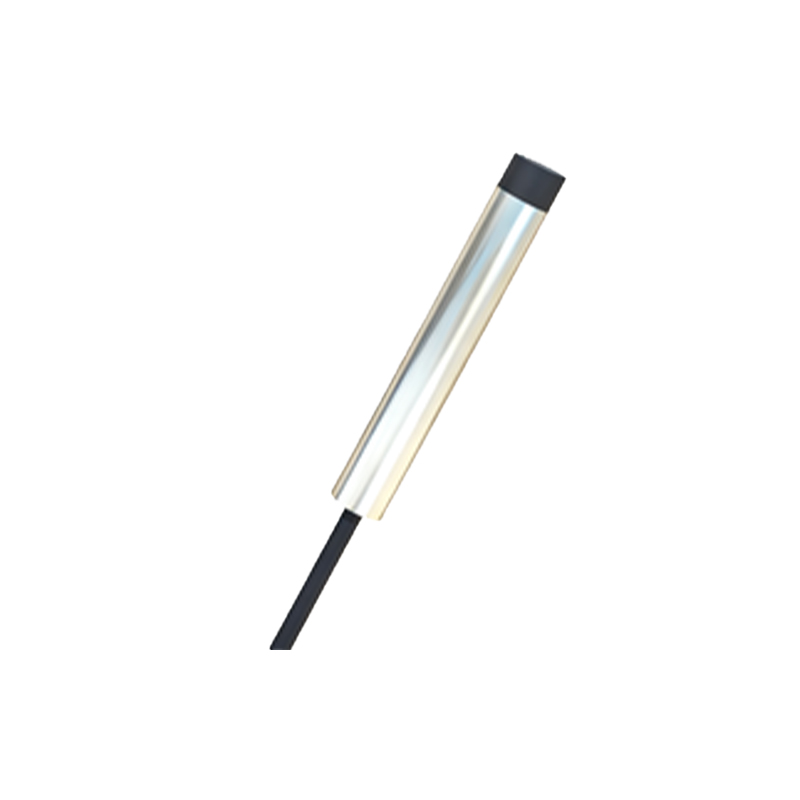
Selecting the right proximity switch module requires careful consideration of several parameters. The sensing range, often specified as the nominal range (Sn), is crucial. It defines the standard operating distance at which a standard target can be reliably detected. Factors like target material, size, and shape can affect this range. The output configuration must match the control system's input requirements. Environmental factors are also paramount; many industrial sensors boast an IP67 or IP68 rating, indicating high resistance to dust and water ingress. Temperature ratings, resistance to chemicals, and electrical noise immunity (EMI/RFI) are other critical specs for reliable operation in demanding settings.
The applications of these modules are vast and varied. In manufacturing, they are indispensable for part positioning, jam detection, end-of-travel limits, and robotic guidance. In automotive assembly, inductive sensors count gears or detect piston position. In consumer electronics, capacitive sensors create touch-sensitive interfaces on appliances. In the food and beverage industry, capacitive sensors monitor liquid levels in non-metallic containers, while photoelectric sensors ensure correct packaging fill levels. Even everyday objects like smartphone screens and automatic faucets utilize proximity sensing principles.
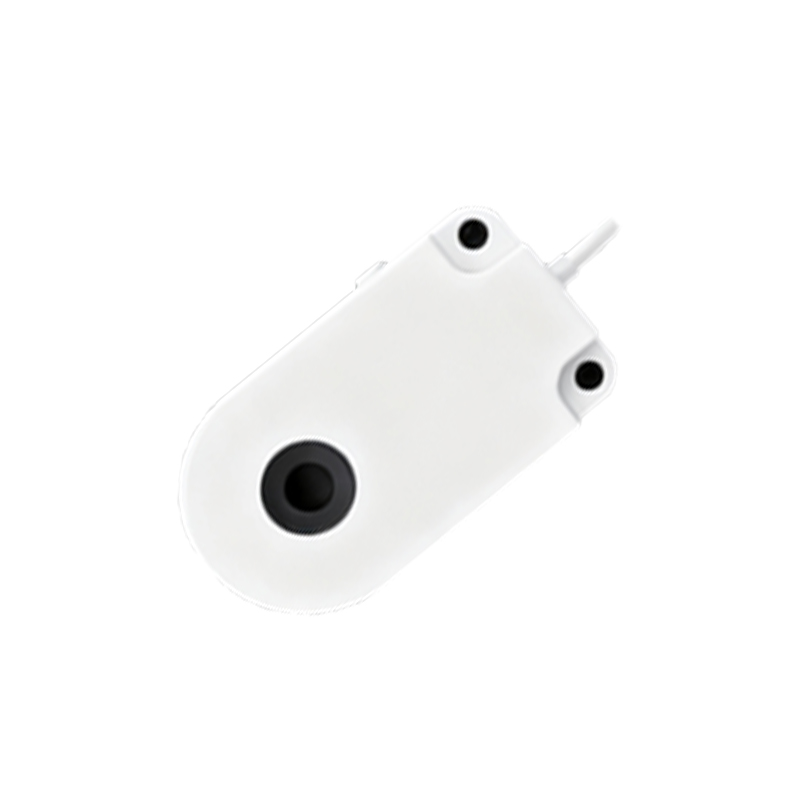
For hobbyists and engineers working on prototypes, integrated modules (e.g., commonly available 3-wire or 4-wire DC sensor modules) simplify integration. These often include a potentiometer for sensitivity adjustment, a power indicator LED, and a switching state LED. When connecting to a microcontroller, attention must be paid to voltage levels and the need for pull-up or pull-down resistors depending on the output type to ensure a clean digital signal.
In conclusion, the proximity switch sensor module is a versatile and robust workhorse of modern automation. Its ability to provide precise, contactless detection across a spectrum of materials and environments makes it a cornerstone of efficiency, safety, and innovation. Understanding the different technologies—inductive, capacitive, photoelectric, and ultrasonic—allows designers and technicians to select the optimal sensor for their specific application, ensuring reliable performance and contributing to smarter, more responsive automated systems.