In the world of industrial automation, robotics, consumer electronics, and countless other fields, the humble proximity sensor is a silent workhorse. Its core function is deceptively simple: to detect the presence or absence of an object within a specific range without physical contact. Yet, asking "which proximity sensor is best?" is like asking which tool is best for a workshop—the answer entirely depends on the task at hand. Selecting the right one requires a careful analysis of your specific application's needs.
The first and most critical step is understanding the fundamental types of proximity sensors and their operating principles. Inductive proximity sensors are the stalwarts of metal detection. They generate an electromagnetic field and detect eddy current losses caused by metallic targets. Robust, reliable, and excellent for harsh industrial environments, they are ideal for counting metal parts, determining position in machinery, or as non-contact limit switches. However, they are blind to non-metallic materials like plastic, wood, or liquids.
For detecting materials regardless of their metallic properties, capacitive proximity sensors are the go-to choice. They sense changes in capacitance caused by any object that enters their electrostatic field. This makes them perfect for detecting levels of liquids, powders, grains, or detecting non-metallic objects like glass or wood panels. They can even sense through certain non-metallic container walls. Their sensitivity is adjustable, which is a strength but can also make them susceptible to false triggers from environmental changes like humidity.
For longer-range detection and applications requiring precise distance measurement, photoelectric sensors are often superior. These use a light emitter (usually LED or laser) and a receiver. They come in several configurations: through-beam (separate emitter and receiver for maximum range and reliability), retro-reflective (bounces light off a reflector), and diffuse (reflects light directly off the target). They excel at detecting small objects, seeing clear materials, and working over distances from a few centimeters to several meters. Environmental factors like dust, fog, or ambient light can interfere with their operation.
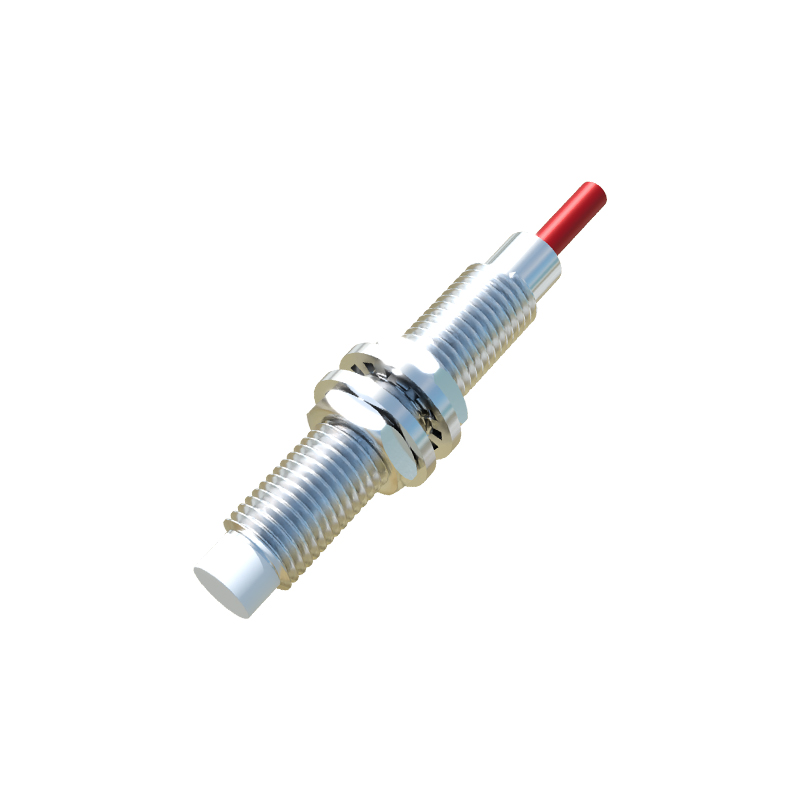
Ultrasonic sensors operate on a principle similar to sonar, emitting sound waves and measuring the time for the echo to return. They are exceptionally versatile for detecting solid objects, liquids, granular materials, and transparent objects over considerable ranges. They perform well in dusty or steamy environments where photoelectric sensors might struggle. Their key applications include level measurement in tanks, distance control, and pallet detection. Their downside can be a slower response time and potential interference from soft materials that absorb sound or from intense ambient noise.
When evaluating which sensor is "best" for you, move beyond the technology type and scrutinize these key specifications:
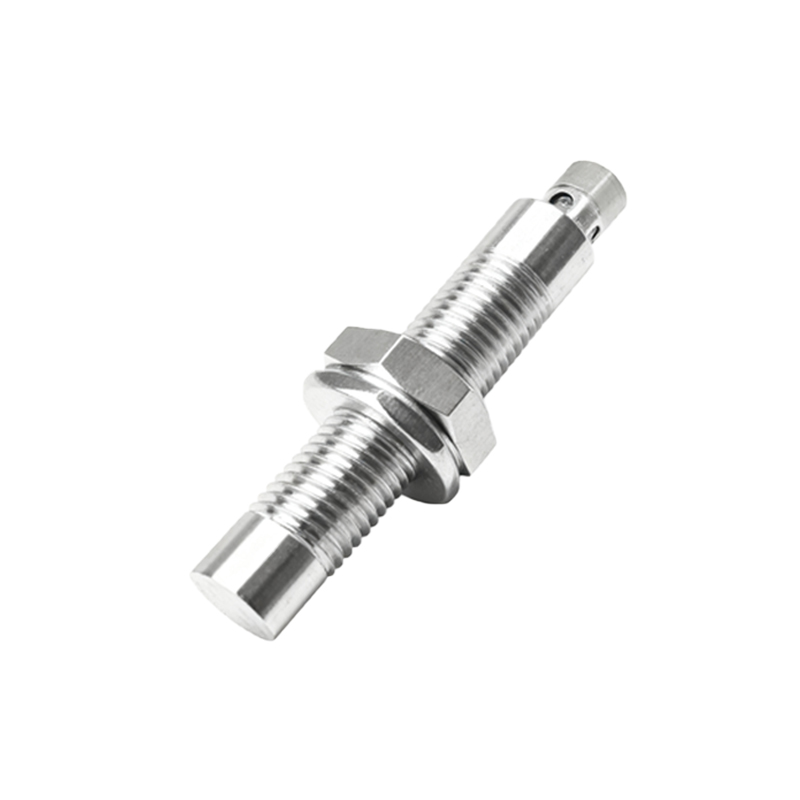
1. Sensing Range: The nominal operating distance. Never operate a sensor at its absolute maximum rated range; choose one with a 20-30% buffer for reliability.
2. Target Material: Is it ferrous metal, non-ferrous metal, plastic, liquid, or transparent? This single factor often dictates the technology.
3. Output Type: Does your control system require a simple digital on/off signal (PNP/NPN), an analog current/voltage signal proportional to distance, or a digital communication protocol like IO-Link for advanced diagnostics and parameterization?
4. Environmental Conditions: Will the sensor face washdowns, oils, coolants, extreme temperatures, or heavy vibration? Look for an appropriate Ingress Protection (IP) rating and housing material (e.g., stainless steel for corrosive environments).
5. Size and Mounting: The physical constraints of the installation are paramount. Cylindrical sensors are common, but rectangular, slot-style, or ring sensors exist for specific needs.
6. Response Time and Switching Frequency: How fast does the target move? A high-speed packaging line needs a sensor with a microsecond-range response time, while a tank level monitor does not.
There is no universal champion. For detecting a steel gear tooth on a high-speed assembly line, an inductive sensor is likely the best. For ensuring a plastic bottle is filled to the correct level, a capacitive or ultrasonic sensor is superior. For checking if a transparent film is present on a roll, a polarized retro-reflective photoelectric sensor is the clear choice.
Therefore, the most effective approach is to define your application parameters meticulously. Consult with technical datasheets and leverage the expertise of sensor manufacturers or distributors. Often, they can provide sample units for testing. The "best" proximity sensor is not the most expensive or technologically complex one; it is the one that solves your detection problem reliably, durably, and cost-effectively, ensuring smooth and efficient operation for years to come.