Laser sensors are critical components in countless modern systems, ranging from manufacturing robots and autonomous vehicles to security systems and medical devices. These sensors operate by emitting a beam of light and measuring its reflection to determine distance, presence, or specific characteristics of an object. Their precision and reliability make them indispensable. However, understanding how these devices can be damaged is crucial for ensuring their longevity and proper function, not for malicious purposes. This article outlines the primary methods by which laser sensors can be compromised, emphasizing that such knowledge should only be used for protective maintenance and risk mitigation.
The most straightforward way to impair a laser sensor is through physical obstruction or contamination. The lens or emitter window is extremely vulnerable. Dust, dirt, oil, or even fingerprints can scatter or absorb the laser beam, leading to inaccurate readings or a complete failure to detect the signal. In industrial environments, airborne particulates like metal shavings or coolant mist are common culprits. A more severe form of physical damage involves scratching or cracking the optical surface through impact or improper cleaning with abrasive materials. Once the integrity of the lens is compromised, the precise path of the laser light is altered irreparably.
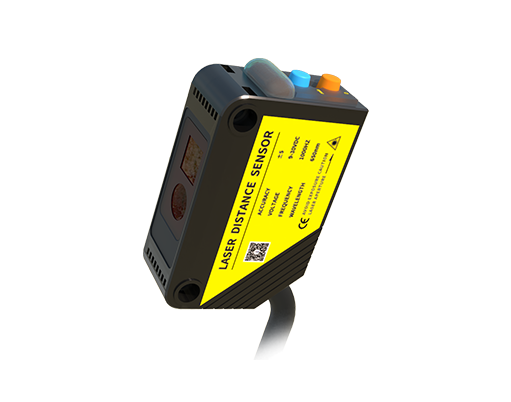
Beyond physical blockage, direct optical interference presents a significant threat. Shining a brighter, more powerful laser directly into the sensor's receiver can overload its photodetector. This is akin to pointing a high-powered flashlight into a camera sensor; it can cause temporary "blinding" or permanent damage to the sensitive light-detecting cells. Similarly, exposing the sensor to intense ambient light sources, such as direct sunlight or powerful arc welding flashes, can saturate the receiver and cause failure. Some sophisticated sensors have filters to mitigate this, but they have limits.
Electrical and environmental factors are equally destructive. Laser sensors require stable power supplies. Voltage spikes, surges, or incorrect polarity can instantly fry internal circuitry, including the laser diode itself. Even without a catastrophic surge, consistent operation outside the specified voltage range can degrade components over time. Environmental extremes are also detrimental. Excessive heat can warp components and alter the laser's wavelength, while extreme cold can cause condensation inside the housing, leading to short circuits. Operating a sensor not rated for such conditions will inevitably lead to premature failure.
Perhaps the most insidious form of damage is misalignment. Many laser sensors, especially those used for precise measurement, require exact calibration. A sharp knock or vibration can misalign the internal optics or the emitter relative to the receiver. The sensor may still appear to function, but its readings will be consistently erroneous, leading to downstream errors in the system it controls. This is particularly dangerous as the damage is not immediately obvious.

It is paramount to state unequivocally that deliberately damaging a laser sensor is irresponsible, unethical, and often illegal. These devices are integral to safety and operational integrity. Tampering with a sensor in an autonomous vehicle could cause a collision. Damaging a sensor on a factory robot could lead to catastrophic equipment failure or worker injury. Compromising a security sensor undermines safety. The intent of this information is purely defensive. Engineers, technicians, and system operators must be aware of these vulnerabilities to implement robust protective measures.
Proper maintenance is the antidote to most damage vectors. This includes regular cleaning with approved materials, ensuring correct installation within specified environmental enclosures, using regulated power supplies with surge protection, and performing routine calibration checks. Protective housings, protective windows designed for the laser's wavelength, and careful system design to avoid exposure to interfering light sources are all standard best practices.
In conclusion, laser sensors are marvels of precision engineering that are also surprisingly fragile. They can be damaged by physical means, optical overload, electrical issues, environmental stress, and misalignment. However, this knowledge serves a single legitimate purpose: to foster a deeper understanding of how to protect and maintain these vital components. Ensuring their proper operation through careful handling and preventative maintenance is essential for the safety, efficiency, and reliability of the technologies that depend on them. Deliberate damage is not a technical challenge; it is a threat to system security and public safety.