Laser cutting has revolutionized manufacturing across numerous industries, offering unparalleled precision, speed, and versatility. When this advanced technology is applied to the production of sensors—the critical components that serve as the "senses" for modern electronic systems—it unlocks new levels of performance and miniaturization. Sensor laser cutting refers to the use of high-powered, focused laser beams to cut, shape, and machine the delicate and often complex materials used in sensor fabrication.
The core principle involves directing a concentrated beam of light, typically from a CO2, fiber, or ultrafast laser, onto the sensor material. The intense local heat generated vaporizes or melts the material along a predetermined path, controlled by computer numerical control (CNC) systems. This non-contact process eliminates mechanical stress and tool wear, which is crucial for handling fragile substrates like silicon wafers for MEMS (Micro-Electro-Mechanical Systems) sensors, thin ceramic plates, or flexible polymer films used in flexible sensors.
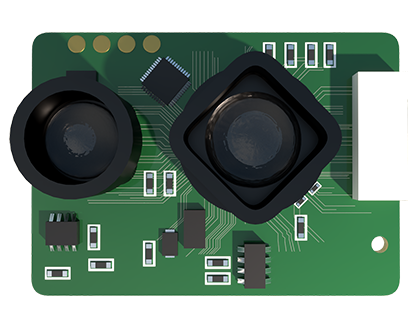
One of the primary advantages of laser cutting for sensors is its exceptional precision. Lasers can achieve cut widths (kerfs) as small as a few micrometers, allowing for the creation of intricate geometries, micro-holes, and fine channels that are impossible with traditional mechanical methods. This precision is vital for sensors where the physical structure directly influences performance, such as in pressure sensor diaphragms, flow sensor elements, or optical sensor grids. The high edge quality and minimal heat-affected zone (HAZ) ensure the material's intrinsic properties remain intact, leading to higher sensor reliability and yield.
Furthermore, laser cutting is highly adaptable. It can process a vast array of materials essential for different sensor types: semiconductors (silicon, gallium arsenide), metals (stainless steel, titanium for housings or sensing elements), ceramics (alumina, zirconia for high-temperature sensors), and various composites. This flexibility supports the rapid prototyping and production of diverse sensors, from automotive LiDAR components and medical biosensor chips to industrial thermocouples and consumer electronics accelerometers.
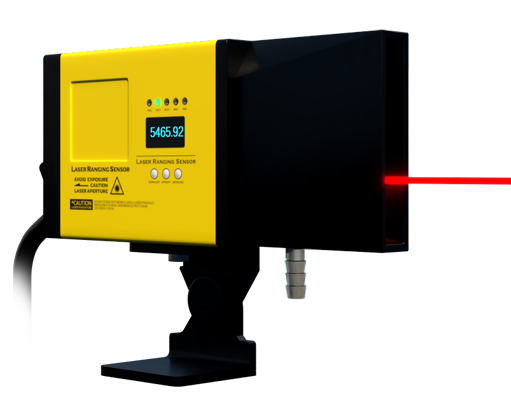
The process also enables significant miniaturization. As the demand for smaller, more powerful IoT devices and wearables grows, sensors must shrink without sacrificing function. Laser cutting allows for the dense patterning and dicing of sensor arrays on a single wafer, maximizing production efficiency and enabling the integration of multiple sensing functions into a tiny footprint. Ultrafast picosecond or femtosecond lasers are particularly valuable here, as their extremely short pulse durations remove material through ablation with almost no thermal damage to the surrounding area.
From an industrial application standpoint, laser-cut sensors are everywhere. In automotive engineering, laser-cut MEMS sensors are at the heart of airbag deployment systems, stability control, and tire pressure monitoring. In healthcare, precise laser cutting creates features in glucose monitoring strips, lab-on-a-chip devices, and implantable sensor components. Environmental monitoring equipment relies on laser-cut elements for gas and particulate sensors. The telecommunications industry uses the technology to fabricate precise optical alignment features for fiber optic sensors.
Despite its benefits, implementing laser cutting for sensor production requires careful consideration. Factors like laser wavelength, pulse duration, power, and scanning speed must be meticulously optimized for each material-sensor combination to avoid issues like micro-cracking, delamination, or undesirable recast layers. Advanced process monitoring and vision systems are often integrated to ensure consistent quality.
In conclusion, sensor laser cutting is a cornerstone technology for advanced manufacturing. It provides the necessary precision, flexibility, and capability for delicate material processing to meet the ever-evolving demands of sensor technology. As sensors become more sophisticated and integral to smart systems, from autonomous vehicles to personalized medicine, the role of laser cutting in their fabrication will only become more critical, driving innovation and enabling the next generation of sensing solutions.